Home / Allied Health (Therapies)

Allied Health (Therapies)

Resource Author: Bianca S. | NDIS Expert   Last Updated: 11 March 2026
NDIS

What is an Intellectual Disability?

An intellectual disability affects how a person thinks, learns and processes information.

It is a permanent and life-long disability that results in difficulties across a range of areas related to understanding, communicating, socialising and emotions.

In Australia, there are about 450,000 people with an intellectual disability.

Can you receive NDIS funding for an Intellectual Disability?

If you have been diagnosed with an intellectual disability, you may be able to access NDIS funding if you meet the eligibility criteria.

Funding can be used to support your needs directly related to your intellectual disability.

Intellectual Disability and NDIS Statistics

The following information has been collected by the NDIS and is up to date as of June 2023:

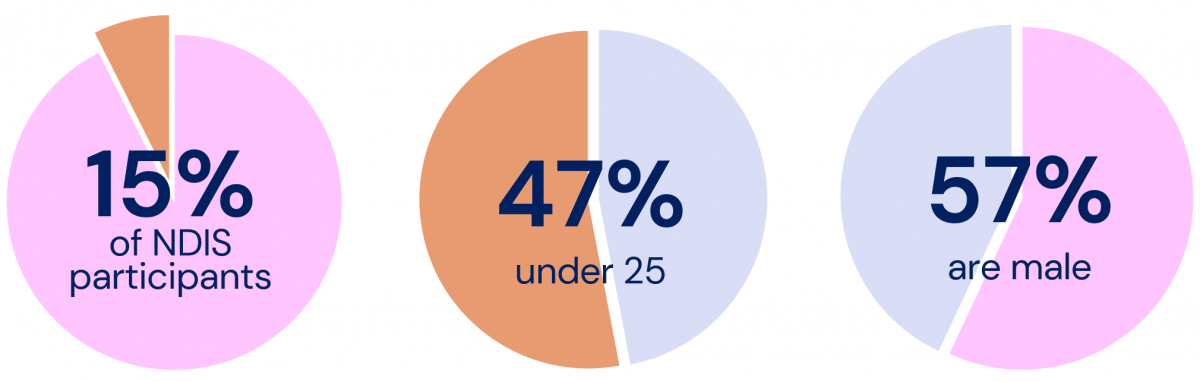
15% of the 610,502 active participants in the NDIS have a primary disability of an intellectual disability, making it the second most common disability for NDIS participants.

47% of participants with an intellectual disability are aged under 25 years.

57% of participants with an intellectual disability are male.

Intellectual Disability Statistics (visual representation of text above)


In the year ending June 2023:

89% of access decisions for applicants with an intellectual disability aged 18 years and under resulted in the applicant joining the Scheme, compared to 77% for those aged over 18 years

$98,100 was the average payment for a participant with an intellectual disability, an increase of 13% compared to the previous year

The number of participants with an intellectual disability has increased by 6% and 5% in the last two years.

Intellectual Disability Statistics (visual representation of text above)

These trends show that funded support for people with intellectual disabilities is increasing.


Childhood supports for Intellectual Disability is funded by the NDIS

Early Childhood Supports (EC) are available to children younger than 6 with developmental delays or children younger than 9 with disability.

Children younger than 6 do not need a diagnosis to get support through the NDIS early childhood approach where there are concerns about their development.

The support provided involves funding for capacity building supports in early childhood, including a key worker. Learn about the keyworker model in the NDIS here.

Funded supports are available for a child with developmental delay or disability and their family or carers across the following settings:

  • Home
  • Community
  • Early childhood education settings

The goal for early childhood support services is to work towards increased functional independence and social participation.

This approach aligns with research that finds early intervention can improve outcomes for children and families by targeting the circumstances that make supporting children's development difficult.

Therapy Supports (9 or older) for Intellectual Disability funded by the NDIS

Therapy supports are available for participants aged 9 and over with an established and diagnosed disability

The goal of therapy is to facilitate functional improvement where there is no more scope from a medical perspective to improve health and function.

Therapy or capacity building can seek to address your goals and build your independence across areas of your life that are meaningful to you.

What therapy services can I access using my NDIS funding?

The following therapists and supports relevant to your intellectual disability which you may be able to access using your NDIS funding:

  • Art Therapist
  • Counsellor
  • Developmental Educator
  • Dietitian
  • Exercise Physiologist
  • Music Therapist
  • Occupational Therapist
  • Physiotherapist
  • Podiatrist
  • Psychologist
  • Rehabilitation Counsellor
  • Social Worker
  • Speech Pathologist

There are also other professionals, described by the NDIA as a person who are not one of the types of professionals listed above but who the provider considers to be an appropriate professional to deliver therapeutic supports in line with the NDIS Quality and Safeguarding Commission’s requirements for the Therapeutic Supports Registration Group.

What other services can I access with NDIS funding?

NDIS funding is also available for other services outside of therapy. This includes day to day support provided by a support worker or support service.

If the support needs is related to your disability, you can access funding for a support worker to assist with:

  • Self-care routines
  • Cooking
  • Cleaning
  • Shopping
  • Transport
  • Programs and activities

These are just some examples of supports and services you can access using your NDIS funding related to your disability.

Our MyCareSpace Connections Team can help you navigate the NDIS and connect you with the services you need.

Get Started
 

MyCareSpace resources may be shared provided they are credited to MyCareSpace with backlinks to the original resource.

Resource Author: Bianca S. | NDIS Expert   Last Updated: 11 March 2026
NDIS

Intellectual Disability

An intellectual disability affects how a person thinks, learns and processes information.

An intellectual disability can result in difficulties in a range of areas related to understanding, communicating, socialising and emotions. Intellectual disability is identified as mild, moderate or severe. This is reflected in someone’s level of independence and reliance on others.

What causes an Intellectual Disability?

There are many different causes of intellectual disability. 

A person may be born with an intellectual disability, or it can develop before the age of 18.

An intellectual disability may be caused by a genetic disorder such as:

  • Down Syndrome
  • Fragile X Syndrome
  • Williams Syndrome
  • Prader-Willi Syndrome

An intellectual disability may develop following a childhood illness such as:

  • Meningitis
  • Whooping cough or measles

Alternatively, an intellectual disability may be the result of trauma experienced at birth that may have involved a lack of oxygen to the brain. This can occur when a child is born with or develops cerebral palsy.

Other factors that may contribute to an intellectual disability include exposure to toxins, brain malformation, maternal disease, infection or environmental influences, such as exposure to alcohol or drugs in utero.

What are the Early Signs of Intellectual Disability?

Usually, an intellectual disability in a child is detected when they are delayed in achieving their developmental milestones. 

What are developmental milestones? 

These are a range of age-specific skills and behaviours demonstrated by a child as they grow. Children reach milestones in how they play, learn, speak, act, and move.

A child with an intellectual disability may demonstrate difficulties with the following milestones:

  • Sitting up, crawling and walking
  • Speaking
  • Memory
  • Interacting with others
  • Problem solving
  • Insight and understanding consequences

How does Intellectual Disability impact adolescents and adults?

As you grow up, you typically develop adaptive functioning skills or adaptive behaviours. There are a set of skills that are required for people to manage the demands of everyday living and interact with others.

Growing up with an intellectual disability will impact how you develop adaptive functioning skills in line with your peers.

Adaptive functioning skills can be classified into three areas: conceptual, social and practical:

  • Conceptual – language, reading, writing, mathematics, knowledge, memory, insight
  • Social – empathy, communication skills, social judgement, following rules, understanding norms and the ability to develop and maintain friendships
  • Practical – independence in areas such as maintaining personal care, employment responsibilities, financial management, self-organisation across school, work and personal life

Your intellectual functioning is also impacted by an intellectual disability. This relates to intelligence and executive functioning skills.

This may impact your ability to learn new skills related to caring for yourself and your performance at school and work.

Early Intervention for Children with Intellectual Disabilities

Research suggests that early intervention is playing an increasingly prominent role in benefitting children with intellectual disabilities.

It is anticipated that early intervention will enhance the development of young children exhibiting intellectual delays.

Who provides early intervention for children with intellectual disabilities?

Early intervention for intellectual disabilities is provided by qualified allied health professionals, such as:

  • Occupational Therapist
  • Speech Pathologist
  • Psychologist
  • Social Worker

Under the NDIS, there are other early childhood support professionals that can be explored, such as:

  • Developmental Educator
  • Early Childhood Teacher or Educator
  • Early Childhood Therapy Assistant
  • Early Childhood Counsellor
  • Keyworker

Learn more about keyworker services here: Keyworker in the NDIS

More information about early childhood support funded by the NDIS is availabile an upcoming resource. Stay tuned!

Can children, teens and adults with an intellectual disability access therapy?

Certainly! Capacity building intervention provided by an allied health therapist can be beneficial across the lifespan.

A qualified therapist can assist you to develop daily living skills and implement strategies to make meaningful tasks easier for you to complete. 

The therapist will always start their involvement by completing an assessment to ensure that the intervention provided is tailored to your specific needs.

The assessment can span from one to several appointments and typically includes a report which details assessment findings and recommendations.

How do I find an early intervention provider?

The Connections Team at MyCareSpace can help you to navigate the NDIS and find an early intervention provider with capacity.

Get Started

How do I find a therapist for a child, teenager or adult with an intellectual disability?

At MyCareSpace, we are connected with many therapy providers. More importantly, we monitor their capacity real-time could be the perfect match for you. Let us help you navigate the NDIS and find the therapist you need.

Get Started

MyCareSpace resources may be shared provided they are credited to MyCareSpace with backlinks to the original resource.

Resource Author: Bianca S. | NDIS Expert   Last Updated: 11 March 2026
NDIS

Waiting for an OT?

With an increase in demand for Occupational Therapy, you may find yourself waiting months for your assessment and therapy. You may be spending more time on a waitlist than you’d like. Or you may not be able to access services at all in your area.

This can be discouraging when you are striving to use your NDIS funding to achieve your goals.

What if you were told you could work towards your NDIS goals while waiting for your OT to come on board?

To start this process, you must take a closer look at the goals in your NDIS plan and consider what other NDIS services and supports can be explored for you to achieve your goals.

It is important to keep in mind that one service, i.e. Physiotherapy, cannot replace another service, such as Occupational Therapy. However, an alternative service can address aspects of your goals to help you work towards building your capacity.

This can be viewed as supplementing your Occupational Therapy services while waiting for your superstar OT - win, win!

See below for examples of how different therapists and services can address various skills to contribute toward your goal attainment:

Key Worker Model

A key worker can be an allied health professional (therapist) who has specialist skills in working with children in an early intervention capacity. The idea is that you have one key worker for your child who delivers therapy across a range of disciplines under the guidance of a treating therapist. The key worker will also coordinate communication and information sharing between the therapists working with the child and the family.

Learn more about the Role of an NDIS Key Worker

Is telehealth an option for an Occupational Therapy assessment?

Telehealth involves online consultation, assessment and intervention with healthcare practitioners from the convenience of your home. 

A telehealth assessment can be completed in place of a face-to-face assessment in most cases. The assessment will involve detailed discussions with you and if needed, a family member and carer. It will also involve observations of you in your home environment and performing activities of daily living via video. This is where a laptop or portable device with a camera and microphone is necessary.

Some standardised assessments completed by therapists are designed to be administered via telehealth.

Learn More

To understand more about the different therapists working in the NDIS, review this resource: Decoding Allied Health - Finding the Therapist Right For Me

For a deeper understanding on the relationship between OT and Physio, review this resource: What is the Difference Between Occupational Therapy and Physiotherapy in the NDIS?

How do I find a therapist to achieve my NDIS goals?

The MyCareSpace Connections Team are in touch with therapy providers across Australia. Connect with our team to find the right therapist for you today.

Find a Therapist

MyCareSpace resources may be shared provided they are credited to MyCareSpace with backlinks to the original resource.

Resource Author: Bianca S. | NDIS Expert   Last Updated: 11 March 2026
NDIS

What is Acquired Brain Injury?

An acquired brain injury (ABI) is the result of damage to the brain.

Brain damage may be a caused by:

  • Trauma or injury to the head (referred to as a traumatic brain injury)
  • Stroke
  • Drugs, alcohol or poisons
  • Lack of oxygen to the brain for an extended time (for example, a near-drowning)
  • infection
  • Tumour
  • Neuro-degenerative conditions can impact the brain, such as:
  • Parkinson's disease
  • Alzheimer's disease or some other form of dementia
  • ALS (amyotrophic lateral sclerosis)


Acquired Brain Injury or Traumatic Brain Injury?

Traumatic brain injury falls under the umbrella of acquired brain injury.

A traumatic brain injury typically results from trauma to the head. This can range from a minor-modetate blow to the head which may lead to a concussion, or a more severe injury. This is a closed brain injury.

An open brain injury involves a foreign object which breaks the skull and penetrates the brain. This is typically more severe. More serious injuries will lead to more severe and permanent disability.

A primary injury describes a sudden and profound injury that occurs at the time of the traumatic event taking place.

Secondary brain injury involves the changes to the brain following the primary injury in response to the trauma event. This leads to further damage to brain tissue and can occur over a period of hours to days following the primary injury.


Acquired Brain Injury - The Symptoms

Different sections of the brain control different functions of your body. When the brain is injured, one or more body functions will be impacted.

The location of the injury and brain damage that has occurred will typically impair the body function in which that area of the brain controls.

As an acquired brain injury can occur in a variety of ways, brain damage can cause a range of different problems for injured individuals.


Physical Effects

A brain injury can result in physical issues, such as:

  • Paralysis or weakness, experienced in one more more areas of the body
  • Spasticity (tightening or shortening of muscles)
  • Difficulties planning movement, impacting walking, standing, sitting, reaching etc
  • Reduced balance and coordination
  • Fatigue 
  • Tremors and/or seizures

Severe physical impairment may require use of assistive technology, such as a wheelchair, adjustable bed, transfer aid etc, and require a high need for person to person support.


Cognitive Effects

Cognitive effects of an acquired brain injury can change throughout the rehabilitation process. Some symptoms associated with acquired brain injury include:

  • Memory problems, such as amnesia
  • Reduced attention span
  • Difficulties with judgment, problem solving and decision making
  • Reduced capacity to remember and follow instructions
  • Reduces awareness of self and others

Cognitive impairment may mean you require additional support with organising and engaging in your activities of daily living.


Behavioural Effects

An acquired brain injury can have an impact on your:

  • Personality
  • Mood
  • Behaviours
  • Irritability and the sense of feeling on edge

Changes to behaviours can have an impact on your social functioning, including difficulties managing in social settings and developing and maintaining relationships.


Perceptual or Sensory Effects

An acquired brain injury can result in:

  • Changes in vision, smell, taste and touch
  • Reduced sensation or heightened sensation
  • Neglect of the right or left side

These difficulties impact how you interact with your routines and your environments. Due to reduced perceptual or sensory skills, the risk of injury is heightened.

If possible, it is important to learn how to compensate for these deficits to continue with your day to day activities.


Communication and Language Effects

Difficulties resulting from an acquired brain injury include:

  • Reduced speaking and understanding skills
  • Reduced reading and writing skills
  • Reduced vocabulary skills

Communication difficulties can impact your ability to engage in conversation and socialise.


An acquired brain injury will impact your capacity to engage in day-to-day activities in one way or another. Support needs may be minor, moderate or maximal.

Maximal support needs may require 24 hour care and use of assistive technology and equipment in an accessible environment.


Is an Acquired Brain Injury the same as an Intellectual Disability?

An intellectual disability involves the impairment of general intellectual abilities and skills throughout the developmental life stage. This spans from birth to 18-25 years. It is unlikely for you to develop an intellectual disability beyond this life stage.

A decline in cognitive function later in life is likely attributed to a neurological condition that results in an acquired brain injury.

The similarities between acquired brain injury and intellectual disability are that they both can result in an impairment of:

  • Conceptual functioning - language, reading, writing
  • Social functioning - relationships, social-communication skills, empathy

The difference between acquired brain injury and intellectual disability is that an acquired brain injury is the result of an accident or injury to the brain or developing a neurological condition.

An intellectual disability relates directly to how the brain develops and functions during the developmental life stage which can cause lifelong cognitive and physical impairment into adulthood.

A mental health condition or illness is also not considered a brain injury, however there are some similarities in symptoms related to changes in behaviours, mood and cognition.


Acquired Brain Injury Recovery

The recovery from a brain injury relies on several factors:

  • The nature of the injury
  • Access to emergency health care services, including surgery if required
  • Acute rehabilitation immediately following the injury
  • Ongoing intervention over the the medium to longer term

With intervention, some people with a brain injury may see a full or partial return to their previous function. For others, returning to how they functioned prior to the injury may be only minimal, or not at all.

A brain injury can result in a permanent disability. A lifelong impairment often means you require support from others over the longer term. If this is the case, you may consider applying to the NDIS to receive funding for support services.


Are people with an Acquired Brain Injury eligible for NDIS funding?

If you have been diagnosed with an acquired brain injury, you may be eligible for NDIS funding. Learn the steps involved in Applying to the NDIS.


Need help finding NDIS supports for someone with an Acquired Brain Injury?

The MyCareSpace Connections Team can help you navigate the NDIS and access the supports you need.

Get Started


MyCareSpace resources may be shared provided they are credited to MyCareSpace with backlinks to the original resource.

Resource Author: Bianca S. | NDIS Expert   Last Updated: 11 March 2026
NDIS


Listen to podcast

This webinar supports Participants and their families, Support Coordinators, and LACS in understanding the role that allied health providers (therapists) can play in reaching your NDIS goals and how to make the most of the funding you have.

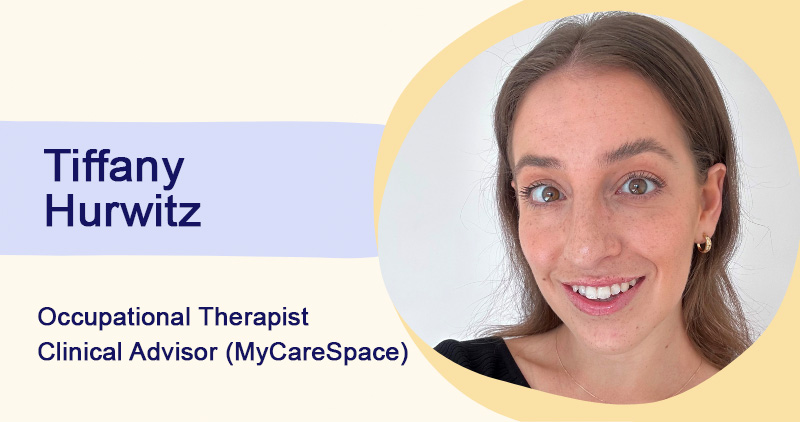
Delivered by Occupational Therapist and Clinical Advisor, Tiffany Hurwitz (MyCareSpace) together with NDIS expert and Plan Manager, Kim Mc Murchy (Plan Hero Plan Management).

Developed to support Participants and their families, Support Coordinators, and LACS in understanding the role that Allied Health Providers (therapists) can play in helping you reach your NDIS goals and how to make the most of the NDIS therapy funding you have.

This webinar addresses the practical aspects of what type of therapy you can use with your NDIS funding. Kim explains in detail how to understand the different parts of your NDIS plan, where to find that therapy funding, and how to flexibly use it.

Tiffany explains the different types of therapy and where they can in fact cross-over or complement each other. This is particularly helpful in an environment where there is a shortage of certain therapies in many areas. She shows us how there are ways to overcome this problem by getting started with other therapies or alternative therapies.

In this 1.5 hour webinar, we covered:

  • Understanding the different types of therapy and who delivers them
  • What therapy can I use to reach each goal?
  • Working with a ‘Multidisciplinary Team’ - what does that mean?
  • Where do I find therapy funding in my NDIS plan and how much do I actually have to spend?
  • How to find therapy providers with availability

Contact our MyCareSpace Connections Team if you need help finding NDIS services.

Contact Plan Hero Plan Management to find out more about this amazing Plan Manager.

View our Allied Health Resources


Panelists

Tiffany Hurwitz

Tiffany is an experienced and practicing Occupational Therapist, supporting many NDIS participants. She not only delivers therapy, but also supports NDIS participants to access NDIS funding and get the most from their Planning Meeting/Plan Review (Re assessment). 

She has a deep understanding of how the NDIS works within the therapy arena.

Tiffany regularly supports her clients to understand the kind of therapy that will help them reach their goals, the different types of therapies (and therapists), and how they all can work together.


Kim Mc Murchy

Plan Hero

As General Manager of a boutique Plan Manager (Plan Hero Plan Management), Kim has not only seen hundreds of NDIS plans, but has also had just as many conversations with Participants and their support network.

She regularly shows them where to find therapy funding in their NDIS plan, and how to make the best use of it.

In this webinar, Kim shares her 'on the ground' knowledge about how therapy funding can look in your NDIS plan, how much you actually have to spend, and how to use it (not to mention where to find it).


Who will benefit from this webinar? 

This webinar is relevant to NDIS Participants, their families, and other NDIS supports like Support Coordinators, LACS and even Providers.

It is an absolute must for Participants who have an NDIS plan that has therapy funding or will be needing therapy in the future.

Perhaps you are already involved with a team of therapists and want to learn about how to maximise your funding to produce better therapy outcomes? Don't miss this session.

Service providers who are looking to learn more about allied health (therapy) supports will also find this webinar beneficial. 


Resources

All Therapy Resources

Featured Resources


MyCareSpace resources may be shared provided they are credited to MyCareSpace with backlinks to the original resource.

Resource Author: Bianca S. | NDIS Expert   Last Updated: 11 March 2026
NDIS

Do I need a Therapist?

Due to your disability, you may experience difficulties across day to day life.

You may have trouble walking, talking, eating, or speaking. You may have challenges with your morning routine, getting to the shops, preparing meals or maintaining your home. Perhaps you have obstacles in your physical environment, or difficulties coping in busy settings.


Any difficulties you may have are individual to you. You may have a strong sense of what you find most challenging, but sometimes it can be hard to find a solution on your own.


Instead of a “one size fits all solution”, you require an individualised approach to address your difficulties. 

A therapist can support you in finding individualised strategies to make every day life easier for you. These strategies and interventions will be unique to your needs and factor in you as a person, your environment, activities and the people in your life.


Who is a Therapist?

A therapist is a university-qualified practitioner with specialised expertise in completing assessment and intervention/treatment for a range of conditions and illnesses

A therapist can work on their own, or be part of a multi-disciplinary team, meaning therapists from different professions work together.

A therapist can also be referred to as an:

  • Allied health professional
  • Allied health practitioner
  • Allied health provider


These terms are interchangeable so don’t worry about getting it wrong!

A therapist working in the NDIS may be a:

  • Occupational Therapist
  • Physiotherapist
  • Speech Pathologist
  • Exercise Physiologist
  • Behaviour Support Practitioner
  • Dietitian
  • Psychologist
  • Music Therapist
  • Key Worker
  • Podiatrist
  • Orthopist
  • Social Worker
  • Rehabilitation Counsellor


How is Therapy provided in the NDIS?

The National Disability Insurance Agency (NDIA) do not provide therapy services. This means therapists do not work for the NDIA

Instead, NDIS participants are allocated funding in their NDIS Plans to access services, including therapy services.

Funding is typically allocated in the Improved Daily Living budget in Capacity Building Supports. A few therapy services will be funded in the Improved Relationships and Improved Health and Wellbeing budgets. Speak with your therapist about their fundings requirements.


How do I connect with a Therapist?

MyCareSpace offer a FREE concierge service to connect you with the therapists you need.

Reach out to our Connections Team today!

Get in touch

Alternatively, browse your options in the MyCareSpace Provider Directory.


Scheduling an Assessment with a Therapist

Each provider schedule their appointments slightly differently. You may be in touch directly with your therapist prior to the appointment, or you’ll speak with their administrative team. This depends on how the provider structure their referral intake.

In addition to your name, contact details, address etc, the provider will typically ask for your:

  • NDIS Number
  • NDIS Plan Start Date
  • NDIS Plan End Date
  • NDIS Goals
  • Diagnosis or Condition/s that is recognised by the NDIS
  • Reason for referral


The therapist may complete a risk assessment to ensure it is safe to complete a face to face visit.


The therapist may also request for any previous reports or medical documents to be provided prior to the appointment. It is important to provide these to your therapist as:

  • This provides them with a clear picture of your disability/conditions. This can reduce the time taken in the initial assessment discussing your medical history.
  • Existing reports/documents familiarises the therapist with your existing medical and allied health team. This can guide how the therapist approaches your needs.
  • The risk of doubling up supports is reduced. This lowers the likihood of the same issue being addressed by multiple therapists. This is important to make the most out of your funding.


Why is it Important to Provide Reason for Referral Details?

Sharing information about why you have made the referral to the service provider ensures your needs align with their service delivery.

Providing a reason for the referral ensures the therapy provider is able to allocate the right therapist for you to address your needs. It ensures the therapist has a clear understanding of what you are looking for.

This also provides you the opportunity to clearly communicate your expectations for service delivery, and what you want to achieve with input from this service.


Service Agreement with Therapy Providers

Your therapy provider will request for you to sign a service agreement, either prior to the initial assessment or at your first meeting.

A service agreement is a legal document signed by you as the participant, and the provider.


A service agreement ensures the following:

  • The participant and provider have the same expectations of what supports will be delivered
  • Both parties agree on how the supports will be delivered
  • You get what you are paying for
  • You are protected against unexpected events

Participants might involve a nominated person (such as a participant’s family member or friend) to sign on their behalf, or may sign the service agreement themself.


Read more information on Why Do I Need A Service Agreement here.

Read more


I haven’t heard from my Therapist before my Appointment…Is this Okay?

In some cases, the first time you interact with your allocated therapist may be at your initial assessment. This may be because you have been speaking with their administration team to schedule the appointment.


Do not fear if you haven’t spoken with your therapist in the lead up prior to your first appointment. As part of their assessment, they will gather all of the background information they need, as well as review documents and reports you have provided.


Does One Appointment = One Assessment?

It is not necessarily the case that a whole assessment can be completed from start to finish in one appointment.

A therapist MAY be able to complete an assessment in the initial assessment. This depends on the a number of factors:

  • The type of assessment required
  • The number of needs being addressed
  • The complexity of the needs being addressed

Multiple appointments may be required to complete one assessment. Alternatively, the assessment may require one or more face-to-face appointments, as well as follow up phone calls with various stakeholders for information gathering.

You may receive documents or forms to complete before or after the assessment. This depends on the information the therapist requires from you.


How Long will the Appointment Last?

There is no set time for the duration of an assessment.

The therapist should give you an indication of the time required for the initial appointment prior to the appointment. To be safe, allocate up to two hours to two and a half of your time for the first appointment.


Preparing for the Initial Assessment

If the appointment is scheduled to be completed in your home, consider the following:

  • There are minimal distractions in the home
  • There is somewhere for yourself and the therapist to sit for a discussion. A dining table is ideal.
  • You have arranged for a support person to be present if needed. This may be a family member, friend or support worker.
  • You have provided clear parking directions for the therapist, particularly if you live on a main road or parking is limited around where you live.


If the appointment is being completed at the therapist’s office or out in the community, consider the following:

  • Is there parking nearby? Is this metered? Does the provider have parking available?
  • What are your public transport options?
  • Are there accessible features in the environment?
  • Is there a bathroom available if needed?


What to bring to the Initial Assessment?

NDIS Plan

While you are not required to share your NDIS Plan with anyone, it is helpful for your therapist to view the funding allocated available across your budgets to determine how they proceed with interventions. 

For example, an Occupational Therapist prescribing a mid cost hi-lo adjustable bed and mattress will need to review your Assistive Technology budget to see whether this is a stated item with funding already allocated or not, as this will determine if there is a need to submit a request for approval to the NDIA or not.

It is also helpful for your therapist to verify your goals and confirm your plan dates.

Always keep the hard copy of your NDIS Plan sent to you by the NDIA. If you do wish to share a copy of your NDIS Plan with a provider, you can:

  • Share a PDF version via email
  • Allow the provider to take photos of your NDIS Plan
  • Provide a photocopy

Reports & Documents

Sometimes it may be difficult to share reports or documents with your therapist prior to the initial assessment via email if you only have a hard copy. This is okay!

With your consent, your therapist will be able to take photos of these documents, or scan the document using their smartphone.


Next Steps: The Assessment Phase

Congratulations! You have gone through all the steps involved in setting up an assessment.

A follow up resource has been created which provides a general overview of what to expect for of the assessment phase. Access NDIS Therapy Assessment - What to Expect here.
Access resource


Remember, MyCareSpace offer a FREE concierge service to connect you with the therapists you need. Reach out to our Connections Team today!

Get in touch


MyCareSpace resources may be shared provided they are credited to MyCareSpace with backlinks to the original resource.

Resource Author: Bianca S. | NDIS Expert   Last Updated: 11 March 2026
NDIS

In your NDIS plan, you can access a broad range of supports and services to help you in your day to day life and build your skills.

Supports can span from self-care assistance, transportation, assistive technology and day programs... just to name a few! 

Allied health services are also supports funded by the NDIS. 

What is an allied health professional?

An allied health professional is a qualified therapist working in their field of practice.

A therapist is a university-qualified practitioner with specialised expertise in completing assessment and intervention/treatment for a range of conditions and illnesses.

A therapist can also be referred to as a:

  • Allied health professional
  • Allied health practitioner
  • Allied health provider

These terms are interchangeable so don’t worry about getting it wrong!

Learn more about Allied Health from the Allied Health Professions Australia.

Who can be a therapist?

A therapist working in the NDIS may be a:

  • Occupational Therapist
  • Physiotherapist
  • Speech Pathologist
  • Exercise Physiologist
  • Behaviour Support Practitioner
  • Dietitian
  • Psychologist
  • Music Therapist
  • Key Worker
  • Podiatrist
  • Orthoptist
  • Social Worker
  • Rehabilitation Counsellor

Decoding the Role of the Therapist

If you have never worked with a therapist before, knowing how each therapist can help you can be overwhelming.

A therapist working in the NDIS may work across the following practice areas:

  • Physical Disability
  • Neurological Disability
  • Intellectual Disability / Cognitive Impairment
  • Psychosocial Disability / Mental Health
  • Neurodiverse population, i.e. diagnosed with Autism Spectrum Disorder or ADHD

Below is an overview of the more commonly seen therapists working in the NDIS.

Occupational Therapist

An Occupational Therapist, often abbreviated to OT, works with you to enhance your engagement and participation in day to day life.

An Occupational Therapist can complete the following:

  • Functional Capacity Assessment
  • Therapy and Skill Development - described by the NDIA as Capacity Building
  • Assistive Technology Prescription
  • Manual Handling Plan
  • Upper Limb Therapy
  • Home Modifications Assessment and Recommendations, including scope of works (i.e. diagrams)
  • Driving Assessment and prescription of Vehicle Modifications
  • Housing Needs Assessment, including assessments for SIL, SDA and ILO

An Occupational Therapist takes a holistic approach when working with you to address your goals.

This means they consider all the factors that impact your life and develop strategies with you to improve your independence, autonomy and safety.

SPOTLIGHT: Functional Capacity Assessment

You may have heard this term before in planning meetings or mentioned by other providers.

A Functional Capacity Assessment is an in-depth assessment completed by an Occupational Therapist which addresses every aspect of your day to day life. 

A report is typically completed following the assessment which outlines your daily life, difficulties experienced related to your disability and includes recommendations for NDIS supports and services you required to address any challenges and goals you wish to achieve. 

Keep an eye out for an upcoming resource that unpacks what is involved in this highly sought-after assessment…


View the Occupational Therapy Australia website for further information about the profession.

When you’re ready to connect with an OT, ask the MyCareSpace connections team to find you an Occupational Therapist with availability today.

Get started

Physiotherapist

A Physiotherapist is often abbreviated to Physio, or sometimes PT (not to be confused with Personal Trainer).

A Physiotherapist works with participants with a range of physical conditions with a focus on:

  • Mobility
  • Balance
  • Movement
  • Posture
  • Strength
  • Coordination
  • Management of chronic conditions

Physiotherapists work with participants to improve their physical capacity and manage pain.

Physiotherapists are qualified to prescribe assistive technology to assist with your mobility. A Respiratory Physiotherapist is a specialist within the profession who may prescribe respiratory devices.

View the Australian Physiotherapy Association website for further information about the profession.

When you’re ready to connect with a Physio, ask the MyCareSpace Connections team to find you a Physio with availability.

Get started

Speech Pathologist

A Speech Pathologist is often referred to as a Speech Therapist, SP or even Speechie.

Speech Pathologists address communication skills. Due to your disability, you may have difficulties with:

  • Speaking
  • Listening
  • Understanding language
  • Reading
  • Writing
  • Social skills
  • Stuttering
  • Using voice

A Speech Pathologist works to increase your skills across these areas to increase your capacity to communicate effectively with others. This may involve the use of Alternative Augmentative Communication (AAC). Find out more about AAC here.

A Speech Pathologist also plays a role in supporting difficulties with swallowing food and fluids.

View the Speech Pathology Australia website for further information about the profession.

When you’re ready to connect with a Speechie, ask the MyCareSpace Connections Team to find you a Speech Pathologist with availability.

Get started

Exercise Physiologist

Exercise Physiology is commonly abbreviated to EP. It is not to be confused with Physiotherapy - these are different qualifications!

Exercise Physiologists focus on exercise-based interventions to promote health and well-being. Areas addressed may include:

  • Aerobic fitness
  • Strength
  • Flexibility
  • Balance

The overall goal is to prescribe exercises that can be incorporated into your weekly routine to achieve your desired outcomes and goals.

View the Exercise and Sport Science Australia website for further information about the profession.

When you’re ready to connect with an EP, let the MyCareSpace Connections Team connect you with an Exercise Physiologist today.

Get started

Behaviour Support Practitioner

Behaviour Support Practitioners (BSP) can also be referred to as Positive Behavioural Supports (PBS). 

A Behaviour Support Practitioner works closely with you and your support team, often involving family and support workers, to focus on your quality of life by promoting positive behaviours and reducing behaviours of concern.

A Behavioural Support Plan is developed by a Behaviour Support Practitioner to act as a guide for those supporting an individual who demonstrates behaviours of concern. It outlines how to promote positive behaviours, reduce triggers and respond when a challenging behaviour has occurred

View the Behaviour Support Practitioners Australia website for further information about the profession.

When you’re ready to connect with a BSP, let the MyCareSpace Connections Team connect you with a Behaviour Support Practitioner with availability. Learn How to get Positive Behaviour Support (PBS) in my NDIS Plan here.

Get started

Dietitian

If you need help to manage your nutrition because of your disability, the NDIS can fund a Dietitian.

A Dietitian can be involved to create a nutritional meal plan, and provide training and education to yourself, family and carers.

Dietitians are also involved in prescribing and implementing Home Enteral Nutrition (HEN) and Percutaneous Endoscopic Gastrostomy (PEG) feeding. These are alternative feeding strategies that may be required due to a disability or disability-related health condition.

View the Dietitians Australia website for further information about the profession.

When you’re ready to connect, let the MyCareSpace Connections Team connect you with a Dietitian with availability.

Get started

Psychologist

Psychologists working in the NDIS provide specialised assessment, treatment and diagnosis of mental health conditions. You can access a psychologist if you are diagnosed with a psychosocial disability, or if psychology services are needed to improve daily living skills.

Psychologists can seek to support your emotional and psychological well-being, as well as address social skills and behavioural management strategies.

View the Australian Psychology Association website for further information about the profession.

When you’re ready to connect, let the MyCareSpace Connections Team connect you with a Psychologist with availability.

Get started

Where can I receive therapy?

Therapy can be completed at a clinic space if your therapist has one for you to visit.

Therapy can also be provided in your home.

IMPORTANT: Remember to discuss travel costs with your therapist to ensure this is accounted for when budgeting for your services. Travel costs should be outlined in the providers service agreement.

Therapy can also sometimes occur in the community. For example, travel training with an Occupational Therapist may involve catching public transport together to develop your skills. Ordering a coffee at your local cafe with a Speech Pathologist may be required to address your communication-related goals.

How do I access funding for a therapist?

Funding for the therapy services may be included in your NDIS plan already. Below is a breakdown of some of the common therapy services funded by the NDIS:

Therapist Budget Line Item Code Category
Occupational Therapist Improved Daily Living Skills 15_617_0128_1_3 Capacity Building
Physiotherapist Improved Daily Living Skills 15_055_0128_1_3 Capacity Building
Speech Pathologist Improved Daily Living Skills 15_622_0128_1_3 Capacity Building
Exercise Physiologist

Improved Health and Wellbeing

OR

Improved Daily Living Skills

12_027_0126_3_3

12_027_0128_3_3

15_609_0118_1_3

Capacity Building
Behaviour Support Practitioner Improved Daily Living Skills

11_022_0110_7_3 

11_023_0110_7_3

Capacity Building
Dietitian

Improved Health and Wellbeing

OR

Improved Daily Living Skills

OR

Assistance with Daily Life (for Disability-Related Health Supports)

01_760_0128_3_3 


12_025_0128_3_3


15_062_0128_3_3


Capacity Building

OR

Core Supports (for Disability-Related Health Supports)


Psychologist Improved Daily Living Skills 15_054_0128_1_3 Capacity Building


Access the Easy to Read NDIS Price List to search for NDIS prices from the latest NDIS price list.

NDIS Price List

How do I get in touch with a therapist?

When you’re ready to connect, let the MyCareSpace Connections Team connect you with a therapist with availability.

Get started

For further support, get in touch with our Connections Team online or by phone 1300 288 893.

If you have a Support Coordinator or Local Area Coordinator, they may be able to direct you to local allied health providers to access therapy services.
 

MyCareSpace resources may be shared provided they are credited to MyCareSpace with backlinks to the original resource.

Resource Author: Bianca S. | NDIS Expert   Last Updated: 11 March 2026
NDIS

How much therapy should my autistic child be receiving?

This is a really important question, especially when applying for the NDIS or trying to make your NDIS funding stretch as far as possible.

Unfortunately, there is no simple answer. Here's why:

1. Every child is different.

All autistic children have unique strengths, challenges, interests and personalities. Every child is different in how they learn, and what gives them purpose and belonging.

Every family supporting an autistic child is different.

Each family is different in their make-up and family culture, in what gives them joy, and in what creates stress.

These unique attributes make it impossible to make specific therapy recommendations that will suit all children and all families.


2. Autism is different.

Autism is different to other areas of health and medicine that may have fairly standard recommendations that apply to large number of people.

While the origin of autism may be biological, the therapies and supports that create positive change are most often educational, environmental and social.


So what do we know?

Considerable research over the past three decades have provided good evidence to help us understand more about this area. We would like to credit the work being done by Professor Andrew Whitehouse, Professor of Autism at Telethon Kids Institute and The University of Western Australia, who recently wrote about this topic. We have summarised Andrew and his colleague, Sarah Pillar's insights, in this easily digestible resource below:

We do know these 4 things:

1. Early therapies and supports are important

Early experiences (including therapy) can help shape early brain development and helps in the development of more advanced skills.

Early therapy can also provide a way for parents to receive important advice and guidance at a time when this is particularly needed. 


2. There is no ‘standard amount’ of therapy

Some children need more ‘intensive’ supports, which may require subsantial weekly therapy time.

However, many children do not require such intensive supports, and may benefit best from only a small amount of therapy weekly, fortnightly or monthly.


3. ‘More’ does not necessarily mean ‘better’

Research evidence does not indicate that more therapy leads to better outcomes for all children.


4. Quality is as important as quantity

We should rather focus on the ‘quality’ of therapy.

It is important to find therapists who are qualified, have current knowledge and skills, and who have access to supervision. Of course this is easier said than done as parents are often making decisons based on wait times.

The quality of therapy is every bit as important as the amount of therapy a child receives, so make the best decision you can.


How much is the right amount of therapy for my child and my family, right now?

Evidence tells us that the answer to this question emerges through a partnership between the child, their family and the therapist. 

How much therapy is needed is determined by the child’s goals, strengths, challenges, and family context.

It is only by weighing up all of the information available that a shared decision can be made as to what is the right amount of support now.

Ongoing monitoring and review of support gaps or successes is important so you can make any necessary changes to achieve better outcomes - this can be done in time for your plan review or even half yearly.


What else should I know?

There are a number of other considerations that can be important families when making therapy decisions.

1. Sometimes we have to “slow down to speed up”

Taking time to slow down and consider which supports will have the biggest positive impact on a child is very important.

It can be easy to get caught up in one course of therapy and just keep going. We are all time poor and often parents are juggling work and supporting the rest of the family as well. You can only do your best.


2. Community connection is ‘therapy time’

It is important that the time a child spends in therapy adds to their participation and connection with their community, rather than takes away from it.

Time spent at the local playground, visiting friends, or attending school are all a part of connecting a child with their community and is as valuable as time spent with therapists.

This seems like a very appropriate time to intro The A List - an online platform where young autistic people can find social options. 


Therapy needs change over time

As children grow, and their families grow with them, they will have different needs.

A child's environment will change, and their goals will evolve and change focus.

Any therapy recommendation for a child and their family is specific to a ‘snapshot’ in time. These will change as life progresses.

Family wellbeing is important in supporting autistic children.

Children are surrounded by their family, and that environment plays a major role in their development and wellbeing.

Children tend to learn and participate best when their family have skills and resources to manage stressors, as well as having strong connections to formal and informal social supports (friends, extended family, counselling, support groups etc).

Understanding how the family environment can be best structured to support the child – including through managing time demands on parents and children - is a very important consideration.


How do I Find Therapy?

MyCareSpace can help you find therapy providers with capacity.

Many parents and carers face frustration when trying to spend their NDIS therapy funding on therapies like Occupational Therapy, Physiotherapy, Psychology and Speech Therapy because there is a shortage of therapists in most metro areas - not to mention the more remote areas.

MyCareSpace will try and give you both face-to-face options and online therapy options (where applicable) or at least let you know what kind of wait times you may be facing.

Are you looking for therapists for your autistic child, friend or family member?

The MyCareSpace team has partnered with a number of therapy providers (both large and small) to be able to share with families where to find therapy providers that have capacity today! 

Let us match you with a therapy provider with capacity today so that you can get your child's therapy started!

Find Me Therapies


CREDIT:

Read the full version of this amazing article published by CliniKids Director, Professor Andrew Whitehouse and his colleague Sarah Pillar.

MyCareSpace resources may be shared provided they are credited to MyCareSpace with backlinks to the original resource.

Resource Author: Bianca S. | NDIS Expert   Last Updated: 11 March 2026
NDIS

Improved Daily Living Skills vs CB Daily Activities?

These are the same thing.

Your NDIS plan and the NDIS support catalogue (NDIS price list) use the term "Improved Daily Living Skills", but the NDIS portal uses CB Daily Activity.  Don't ask us why they are different! Luckily they have fixed this up in the new NDIS PACE system that all Participants will be moved to in the next 12 months.

The  Improved Daily Living Skills support category includes funding for assessment, training or therapy to help increase your skills, independence and community participation. These services can be delivered in groups or individually.

Improved Daily Living examples in the NDIS include:

Therapy and Assessments (and the travel costs incurred to deliver it) for:

  • Occupational Therapy
  • Psychology
  • Physiotherapy
  • Exercise Physiology
  • Speech Therapy
  • Dietician
  • Counselling
  • Social Worker
  • Developmental Educator
  • Audiology
  • Podiatry
  • Orthoptist
  • Therapy Assistant
  • Art Therapy
  • Music Therapy

This category also includes capacity-building services like:

  • Skill Development and training including Public Transport Training
  • Assistance with decision making daily planning and budgeting
  • Training for parents/carers
  • Driving Lessons
  • Specialised/wearable technology


Can I use my Improved Daily Living Funding on ANY of these therapies?

If you have an NDIS Pace Plan the answer is YES!

You can use this bucket of funding on ANY type of support that falls within this Support Category (See a list of line items here). For example if you have $10,000 in Improved Daily Living and your goal is to better manage anxiety, you can spend it on Psychology or Counselling, a combination of both or all of it on Occupational Therapy (if this will help)!

Older NDIS plans (not PACE plans) may have stated supports for this category and then you will need to stick to that. For Example: "$10,000 for Psychology to help manage your anxiety"


How much is NDIS Therapy?

See our resource on the cost of NDIS therapy and how they may differ between registered and unregistered providers. We also cover the cost of teletherapy and travel.

How much is NDIS Therapy


Travel

Your therapists can charge you for travel. They can claim for:

  • the time spent travelling to each of you: 30 minutes in MMM1-3 areas and 60 minutes in MMM4-5 areas.
  • the time spent travelling from you (if you are the last participant), back to their usual place of work.
    Note: this travel is only claimable when the provider must pay their worker for the return travel time.
    Note: the maximum amount on return travel is 30 minutes in MMM1-3 areas and 60 minutes in MMM4-5 areas.

See how to work out MMM region

Shared Travel Time

Where a worker is travelling to provide services to more than one participant in a ‘region’, then it is reasonable for a provider to apportion all of the travel time (including the return journey where applicable) between the participants.

This apportionment should be agreed with each participant in advance as part of the service agreement.

How will your therapist charge for travel?

Claims for travel must be made separately to the claim for therapy on your invoice.

The hourly rate for travel is the same as the therapy rate, unless otherwise agreed beforehand with the participant.

There is a matching “Provider Travel” line item for each therapy.

Providers should submit an invoice that shows these 2 charges separately as:

  • the therapy line item: # hrs @ rate
  • the matching travel line item: # units @ rate

How to find the matching Travel line item when billing for therapies

Each therapy has a matching line item for travel. Look for the matching number. For example, here is the matching travel line item for OTs:

  • 15_617_0128_1_3 Assessment Recommendation Therapy or Training - Occupational Therapist
  • 15_799_0128_1_3 Provider travel - non-labour costs 0128 Therapeutic Supports


MyCareSpace resources may be shared provided they are credited to MyCareSpace with backlinks to the original resource.

Resource Author: Bianca S. | NDIS Expert   Last Updated: 11 March 2026
NDIS

According to the latest NDIS Quarterly report, close to 99% of NDIS Participants receive funding in their NDIS plan for therapies.

This funding is for therapies like occupational therapy, speech therapy, psychology, physiotherapy and also more unusual ones like art therapy, music therapy and rehabilitation counselling.

Where to find the NDIS therapy funding in your NDIS Plan

Funding for therapy is found in the Improving Daily Living Skills category, which falls under the CAPACITY BUILDING section of your NDIS plan. 

NOTE: this is different from the CORE funding part of your NDIS Plan which includes funding for support workers. (See our resource called Understanding your NDIS Plan for help understanding the different sections of your plan)

When engaging NDIS Registered Therapy Providers for Occupational Therapy, Speech Therapy, Psychology, Physiotherapy and more, you will need to know how much their hourly fee is under the NDIS so that you can work out how many hours of therapy are included in your NDIS plan.


Does my therapist have to be NDIS Registered?

Your therapist does not have to be NDIS registered if your NDIS plan is self-managed or plan managed.
They simply need an ABN to invoice you, making sure they use the right line items from the NDIS Support Catalogue if they want to be paid quickly.

Using our NDIS Price Guide search tool, you can see all the therapy line items easily! 

Therapy items in the Support Catalogue

This also means you can keep your existing therapists after joining the NDIS and use your NDIS funding to pay them.


How do I know how many hours of therapy I have in my plan?

If it's not specified, you can do this by dividing the total amount of funding in your plan by the hourly rate of the therapy/therapies you want to use. This may be the NDIS rate or lower.

NOTE: You can use this bucket of funding for ANY therapy, even if it has something specified in your plan.

NOTE: The team at MyCareSpace can help you work this out.


How much is my NDIS therapy going to cost?

It depends on whether you are using registered or unregistered NDIS providers

You can use both unregistered and registered NDIS providers, but it's likely you'll find that NDIS registered providers charge higher rates than unregistered NDIS providers.

If you are using a therapist who is not NDIS registered, your therapy is likely to cost less per hour. For example, a physio may charge you $130/hour but a physio who is a registered NDIS provider will use the NDIS rate of around $194/hour.

Prices do differ across different types of therapy, with Psychology being the most expensive and counselling being the least expensive. 

NOTE: your therapy funding includes "assessment, planning, and delivery of therapy", which means that this funding can be used for assessments (like functional capacity, wheelchair or housing assessments) and for ongoing therapy.

Remote Pricing

Higher rates are paid for therapy delivered in rural and remote areas. These prices can be seen in the NDIS Price List and will depend on their MMM rating.

For Areas MMM4-5, the Remote rate applies. For Areas MMM6-7, the Very Remote rate applies. See an extract:

Assessment Recommendation Therapy or Training - Psychologist
Improved Daily Living Skills

15_054_0128_1_3
$214.41   H (NSW)
$328.76 (Remote)
$352.25 (Very Remote)

See how to work out if you are in a Rural or Remote region


NDIS Therapy Prices

The NDIS Support Catalogue (NDIS Price List) contains the current prices for all therapies. MyCareSpace has an easy-to-use NDIS Price List tool where you can search for all NDIS prices.

NDIS Therapy Rates

NOTE: the latest price list saw specific line items added for more alternative therapies like Music Therapy and Art Therapy.

NOTE: there are also matching line items for popular therapies in the SOCIAL and COMMUNITY PARTICIPATION funding


How much is Online Therapy?

Teletherapy or online therapy means the therapy is not delivered face-to-face, but rather over the phone or video.

It can be used to deliver therapy like Occupational Therapy, Speech Therapy, Psychology and even Physiotherapy where appropriate and with the agreement of the participant.

Providers can only claim Telehealth Services where ALL of the following conditions are met:

  • The delivery of the support by telehealth is appropriate
  • The proposed charges for the activities comply with the NDIS Pricing Arrangements and Price Limits and with the Service Agreement with the participant
  • The activities are part of delivering a specific therapy to that participant (not things like enrolment, administration or staff rostering)
  • The provider explains the activities to the participant, including why they represent the best use of the participant’s funds (that is, the provider explains the value of these activities to the participant)
  • The provider has the agreement of the participant in advance (that is, the service agreement between the participant and provider specifies that Telehealth services can be claimed).

Providers have a duty of care to their participants to ensure they are providing the same standard of care through video technology as in a clinical setting.

Teletherapy costs the same as a direct face-to-face service.

Claims for Online Services should be made using the same relevant support line item in the NDIS Price Guide. When making a claim on the portal, you would select the "Telehealth Services" option.

How much is online therapy when it's delivered to a participant in a remote or very remote area?

In general, the cost of teletherapy = the price of therapy delivered at the location of the provider. So, even if a participant is in a remote area, the rate charged depends on where the provider is located.

For example: if the speech therapist is located in the metro Sydney area, and the participant is in a very remote area in Western Australia, the rate charged would be the regular metro Sydney rate.

BUT, participants in Remote or Very Remote areas can agree to pay the remote or very remote prices, if they are satisfied that the support provides value for money.


How much can a therapist charge for travel

Your therapists can charge you for travel. They can claim for:

  • the time spent travelling to each of you: 30 minutes in MMM1-3 areas and 60 minutes in MMM4-5 areas.
  • the time spent travelling from you (if you are the last participant), back to their usual place of work.
    Note: this travel is only claimable when the provider must pay their worker for the return travel time.
    Note: the maximum amount of return travel is 30 minutes in MMM1-3 areas and 60 minutes in MMM4-5 areas.

See how to work out MMM region

Shared Travel Time

Where a worker is travelling to provide services to more than one participant in a ‘region’, then it is reasonable for a provider to apportion all of the travel time (including the return journey where applicable) between the participants.

This apportionment should be agreed upon with each participant in advance as part of the service agreement.

How will your therapist charge for travel?

Claims for travel must be made separately from the claim for therapy on your invoice. The hourly rate for travel is the same as the therapy rate, unless otherwise agreed beforehand with the participant.

There is a matching “Provider Travel” line item for each therapy. The therapy is allocated to the therapy line items. The travel is allocated to the matching travel line item.

How much can my Therapist charge for travel


Top 3 Tips when choosing a Therapist

  1. Choose a therapist that has availability now (or very soon) - confirm a start date. If you agree to waitlist, make sure you have a start date.
     
  2. Choose a therapist that can help you reach your goals - this may not be the therapist you think you need!
    Did you know that both an OT AND a Physio can deliver therapy to help you reach the same goals?
     
  3. Watch out for travel costs. Did you know that you have to agree to any travel costs up front!

MyCareSpace resources may be shared provided they are credited to MyCareSpace with backlinks to the original resource.

Subscribe to Allied Health (Therapies)

Our Preferred NDIS Plan Manager

Plan Hero Plan Management is our preferred NDIS Plan Manager because they are independent and specialist Plan Managers who have both lived experience and expert NDIS knowledge. Plan Management is all they do!

Plan Hero helps you keep your funding organised and on track within each funding period, so you don’t overspend or leave funds unused. They make sure providers are paid on time and help you stay on top of your budget. Their team is easy to reach, with clear, direct communication and no waiting on hold (ever).

Plan Hero gives you the support you need to use your NDIS funding with confidence.