Home / NDIS Eligibility & Access

NDIS Eligibility & Access

Resource Author: Bianca S. | NDIS Expert   Last Updated: 20 July 2026
NDIS

Main Points

  • An NDIS carer statement (also called an impact statement) is a written account by a carer, family member, or support person that describes how a person's disability affects their daily life, and the lives of those who care for them.
  • It is not compulsory, but a well-written NDIS impact statement can significantly strengthen an NDIS application or plan review by giving planners a real, human picture of support needs that clinical reports alone may not capture.
  • The most important piece of advice: describe your worst day, not your best. The NDIS needs to understand the full extent of support required, not a carefully managed version of it.


What Is an NDIS carer statement?

An NDIS carer statement, sometimes called an NDIS impact statement or carer impact statement, is a letter or written document prepared by someone who cares for or supports a person living with a disability.

Its purpose is to describe, in practical and personal terms, how the person's disability affects their day-to-day life and the lives of those around them. Where medical and allied health reports tell the NDIS what a person's condition is, a carer statement tells the NDIS what that means on a Tuesday morning, or on the worst day in the last month.

A carer statement can be submitted as part of an NDIS access request (initial application) or during an NDIS plan review, to help demonstrate the level of funded support the participant needs.

It is not compulsory, but it is one of the most powerful tools available to families and carers navigating the NDIS process.


Why an NDIS impact statement matters

NDIS planners and the National Disability Insurance Agency (NDIA) assess eligibility and funding based on functional capacity — that is, how a person's disability affects their ability to participate in daily life. Clinical evidence supports this, but it doesn't always tell the full story.

A well-written NDIS carer statement bridges that gap. It adds the lived experience that reports can't capture: the 3am wake-ups, the hours spent managing meltdowns, the tasks a person cannot do independently despite appearing capable in a short clinical assessment.

Carers often feel uncomfortable writing about the hardest parts of their experience. It can feel like complaining, or like you're focusing on negatives rather than celebrating your loved one's strengths. But it's important to remember: you are not complaining. You are giving the NDIS the information it needs to provide appropriate support. Holding back can result in funding that doesn't reflect actual need.

Write about your worst day. Don't write about your average day.


Who can write an NDIS carer statement?

An NDIS impact statement can be written by anyone who provides care or support to the NDIS participant, including:

  1. A parent or guardian
  2. A spouse or partner
  3. A sibling or other family member
  4. A close friend who provides regular support
  5. A support coordinator or service provider who has direct knowledge of the person's support needs

Multiple people can each submit their own statement, and this can be beneficial, as different carers often see different aspects of a person's support needs.


What to include in an NDIS carer statement

The NDIS does not provide a formal template or strict guidelines for carer statements. It can be a letter, a structured document, or a written response to a set of prompts, whatever format works best for you.

Regardless of format, a strong NDIS carer statement should cover the following:

About the person you care for:

  • Their disability and diagnosis, and how it affects their day-to-day functioning
  • What they need support with, and what you do to provide that support
  • How their support needs have changed over time, or are likely to change in the future
  • What happens when support is not available: what are the consequences?

About you as a carer:

  • Your own needs and goals as a carer
  • How the caring role affects your health, work, relationships, and daily life
  • Whether you are able to continue providing the same level of care into the future
  • What would happen to the participant if you were unavailable (illness, emergency, etc.)

About the broader support network:

  • What informal supports the participant has access to (family, friends, community)
  • Any gaps in the current support network
  • Any other information the NDIA should know when assessing the participant's support needs


Using the 21 NDIS support categories to structure your statement

One of the most effective ways to write an NDIS carer statement is to structure it around the 21 NDIS support categories. This approach helps planners connect your description directly to how the NDIS measures and funds support, which can make your statement more persuasive and easier to act on.

For each category, describe:

  • What supports are needed
  • How often those supports are required
  • The time and cost involved (if applicable)
  • The emotional and practical impact on both the participant and the carer

    Another thing to consider is there are four budgets: Core, Capacity Building, Capital and Recurring.

The 21 NDIS support categories include:

Core 'flexible support categories'
1.    Assistance with daily life
2.    Assistance with social, economic and community participation
3.    Consumables
4.    Transport

Core supports ‘stated support categories’.
1.    Home and living
2.    Younger person in residential aged care – cross billing


Capacity Building supports:
1.    Behaviour support
2.    Choice and control - this includes Plan management services
3.    Finding and keeping a job
4.    Health and wellbeing
5.    Improved daily living skills
6.    Improved living arrangements
7.    Increased social and community participation
8.    Lifelong learning
9.    Relationships
10.    Support coordination and psychosocial recovery coaches

Capital supports
1.    Assistive technology
2.    Assistive technology – maintenance, repair and rental
3.    Home modifications
4.    Specialist disability accommodation

Recurring Support
 

You don't need to write extensively about every category, just focus on the areas most relevant to the participant's disability and support needs.

A Note on Functional Capacity

When writing your NDIS carer statement, it helps to use the language of functional capacity, as this is the term the NDIS uses to assess eligibility and funding levels.

Functional capacity refers to how a person's disability affects their ability to complete everyday tasks and participate in community life. Rather than just describing a diagnosis, describe what the participant cannot do independently, how long tasks take with support, and what the consequences are when support is not provided.

For example, instead of: "My son has autism." Try: "My son requires full physical assistance to complete his morning routine, including showering, dressing, and preparing breakfast. Without support, he becomes extremely distressed and is unable to leave the house. This process takes approximately two hours each morning and cannot be rushed without triggering a crisis response."

Read more about functional capacity and the NDIS here.


How to write your NDIS carer statement: step by step

If you're not sure where to start, this process can help:

  1. Set aside dedicated time. Writing an honest carer statement takes emotional energy. Don't try to rush it. Set aside a few hours when you won't be interrupted.


  2. Make notes before you write. Spend time thinking through a typical week, and your worst recent day. Note every task you assist with, every appointment you attend, every moment of distress or difficulty. Include the middle-of-the-night incidents, the events that don't make it into clinical notes.


  3. Use the 21 categories as a framework. Work through each NDIS support category and consider how the participant's disability affects them in that area. You won't have something to say about every category, and that's fine.


  4. Write plainly and specifically. Use clear, direct language. Avoid medical jargon unless it's natural to you. Specific examples and real-life scenarios are far more powerful than general statements.


  5. Don't edit out the hard parts. Carers often instinctively soften their descriptions. Resist this. The NDIS needs the full picture. If something is hard, say so. If the caring role is unsustainable without more support, say that too.


  6.  Get support if you need it. A support coordinator can help you prepare your carer statement. They can guide you through the process and help ensure nothing important is left out.


Top 3 things to remember when writing an NDIS carer statement

  1. Describe your worst day: not your average day, and certainly not your best. There is no such thing as too much information.
  2. Don't leave anything out: think through the participant's day from when they wake to when they go to sleep, including night support if relevant.
  3. Use a checklist: the Carers Australia Carer Checklist (linked below) can help you make sure you've covered everything before submitting.


NDIS carer statement templates and examples

You don't have to start from scratch. Here are templates and real examples to help you get started:

MyCareSpace: Carer Statement Template (for support coordinators and carers)

Reimagine: Sample Carer Statement

Carers Australia: Sample Carer Statement — Claire

Carers Australia: Sample Carer Statement — John

Carers Australia: Carer Checklist for NDIS Planning Meetings

The Carers Australia Carer Checklist is particularly useful if you're preparing for an NDIS planning meeting. It's designed for unpaid carers and support people, and helps you think through the type and frequency of support you currently provide, so nothing is overlooked.


Need help navigating the NDIS?

Writing an NDIS carer statement is just one part of the NDIS access and planning process. If you're finding the system overwhelming, you don't have to navigate it alone.

MyCareSpace's free Connections Team can help you find a support coordinator, therapist, or support worker with experience in your area, including helping families prepare for NDIS planning meetings and plan reviews.

Find NDIS support near you →


MyCareSpace resources may be shared provided they are credited to MyCareSpace with backlinks to the original resource.

Resource Author: Bianca S. | NDIS Expert   Last Updated: 11 March 2026
NDIS

Section 34 of the NDIS Act establishes the criteria for what supports are considered "reasonable and necessary" for the NDIS to cover.

What does Reasonable and Necessary mean?

The NDIS funds a range of supports and services which may include education, employment, social participation, independence, living arrangements and health and wellbeing.

It funds supports that will help participants to:

  • pursue their goals, objectives and aspirations
  • increase their independence
  • increase community and workplace participation, and
  • develop their capacity to actively take part in the community.

Whether a support is deemed 'reasonable and necessary' for the NDIS to fund for a participant, takes into account any informal supports (family, community) as well as other formal supports (health, education).

Is it Reasonable and Necessary?

All NDIS supports need to meet all the reasonable and necessary criteria before they can be included in your NDIS.

If you can answer YES to these questions, the support is reasonable and necessary and likely to be funded if it helps meet your goals.

1. Will the support help you to reach the goals in your NDIS plan?
The support you buy must be linked to the support budgets and goals in your current NDIS plan and related to your disability. 

2. Is the support reasonably priced and good value?
The support should represent good value-for-money compared to other options. This means we need to consider the costs and benefits of the support, as well as the costs and benefits of alternative supports.Remember you can choose to pay less and get more support, or pay more for a higher quality support that meets your needs. 

3. Can you afford the support within your support budget?
Your NDIS funding needs to last for the length of your plan. Work out your budget early so you know what you can afford. This will help you to track your funding and make decisions about any changes to your supports during your plan. 

4. Will the support help you to connect with your community and improve the relationships you have with family and friends?
The support you buy should help you to participate in community activities with friends and other members of your community, by reducing the disability-related barriers that prevent you from participating in things such as social outings, recreation, work and study.

5. Is the support something that should be funded by the NDIS and not other government services?
In your NDIS plan the funded supports will not include support that is provided by other government services. For example, dental, health or hospital services, education, housing and public transport are all provided by other government services. 

6. Is the support safe? Is it likely to be beneficial?
The support you buy must be legal. It should not cause harm or put yourself or other people at risk.


What supports will NOT be funded by the NDIS?

The NDIS Act and the rules made under the NDIS Act also tell us which supports will not be funded by the NDIS. A support will not be funded if it:

  • is not related to the participant's disability
  • duplicates other supports already funded by a different mechanism through the NDIS
  • relates to day-to-day living costs that are not related to a participant's support needs, or
  • is likely to cause harm to the participant or pose a risk to others.

Will the NDIS fund it?

'Would we fund it' includes examples of commonly requested items that we find cause the most confusion.

For each item, the NDIS explains how they make reasonable and necessary decisions about them and provide an overview of whether or not we typically fund them. New items will be added to this resource as they are developed.

Read: Would we fund it?


Sources:

MyCareSpace resources may be shared provided they are credited to MyCareSpace with backlinks to the original resource.

Resource Author: Bianca S. | NDIS Expert   Last Updated: 11 March 2026
NDIS


Let's Compare a Support Coordination vs. Local Area Coordinator

Task Support Coordinator (SC) Local Area Coordinator (LAC)
Build capacity to navigate NDIS Yes Yes
Help find providers Yes Yes
Monitor NDIS budget and supports Yes No
Negotiate with providers Yes No
Help resolve issues or crises Yes No
Provide ongoing support during the plan Yes No
Funded by NDIS plan Yes No (funded by NDIA)

MyCareSpace resources may be shared provided they are credited to MyCareSpace with backlinks to the original resource.
Resource Author: Bianca S. | NDIS Expert   Last Updated: 11 March 2026
NDIS

What is an Impairment Notice?

From the 1st January 2025*, all new NDIS Participants will receive an access decision letter which says if their NDIS application was approved because of:

  • their disability requirements,
  • the early intervention requirements,
  • or both.

*At the date of writing this resource (March 2025) we are yet to see Impairment Notices being created.

This letter will include their category of impairment(s).

Impairment Categories

Under this new system, impairments will be classified into 6 different categories:

  • Intellectual
  • Cognitive
  • Sensory
  • Neurological
  • Physical
  • Psychosocial

A participant may be notified that their NDIS-eligible impairments fall under one or more of these categories - for example: a participant may be classified as having an intellectual and physical impairment based on the functional impact of their disability diagnosis.

What is the difference between diagnosis and impairment in the NDIS?

Instead of focusing on disability diagnosis, an Impairment Notice will put the focus on the impairment(s) that makes someone eligible for the NDIS.

NDIS access will not be granted based on disability diagnoses.

Why is the NDIS introducing Notice of Impairments?

The change was recommended by the NDIS Review, and gives Participants clearer information about how they meet (or don't meet) the disability or early intervention requirements..

The move to impairment instead of diagnosis also acknowledges that two people with the same diagnosis might have very different impairments and support needs.

IMPORTANT: The NDIS will only fund support for the impairments listed in the participant’s Impairment Notice.

How Impairment Notices Affect Your NDIS Plan 

Section 34 of the NDIS Act stated that support needs must be reasonable and necessary. There’s now a new addition, Section 34aa which says: 

“The support is necessary to address needs of the participant arising from an impairment in relation to which the participant meets the disability requirements (see section 24) or the early intervention requirements (see section 25)”. 

In plain English, the NDIS will only fund support for impairments listed in the participant’s Impairment Notice. 

If a condition isn’t classified as an impairment, it won’t be funded. 

Here are some examples of how impairment affects your NDIS funding

CASE 1:

Trudy has cerebral palsy, which affects her ability to walk. Because her Impairment Notice recognises her physical impairment, she can get NDIS funding for a wheelchair, orthotics and physiotherapy to help with mobility. This meets the criteria because: 

  • It is reasonable and necessary 

  • It is a need that arises from her physical impairment 

Trudy also has autism. If the NDIS hasn’t recognised a sensory impairment in her Impairment Notice, she wouldn’t be able to get support for her sensory needs arising from her autism - even if she has a diagnosis. 

CASE 2:

David has multiple sclerosis which may have an impairment that makes him unable to walk. If that physical impairment is recognised by NDIA in their Impairment Notice, the request for a powered wheelchair meets the first criteria of Reasonable and Necessary.

However, if David also had a diagnosis of schizophrenia and the NDIA hadn’t recognised a psychosocial impairment, David would not be able to access supports relating to the impact of their schizophrenia.

The problem is that we know people can have co-occurring diagnoses and impairments, and multiple support needs.

What about children under 6 years of age?

For children younger than 6 years old who meet the criteria for developmental delay, the information will say they are eligible under the early intervention requirements with developmental delay.

Did you know?

All participants (or their representatives) can submit a “Participant information access” request to the NDIA. Here you can access information relating to:

  • Access Request Form (ARF)
  • Evidence of Disability (EOD)
  • Supporting Evidence Form (SEF)
  • Access Decision
  • Reasons for your Access Decision.

Find out more here

Whilst the above is no formal Impairment Notice, it could provide information about which disability(ies) a person has been granted access to the Scheme for and what information the Agency has on file.

Until Impairment Notices arrive, this could be the information used by the NDIA to determine which impairment(s) a person has met NDIA access for.

What happens if I don't agree with my Impairment Notice?

Impairment notices are reviewable decisions. Participants can seek a variation to add or remove impairments at any time after meeting access. If the NDIA refuses to vary a person’s Impairment Notice, they can ask for an internal review.

Sources:


MyCareSpace resources may be shared provided they are credited to MyCareSpace with backlinks to the original resource.
Resource Author: Bianca S. | NDIS Expert   Last Updated: 11 March 2026
NDIS

These resources have been designed specifically for Aboriginal and Torres Strait Islander people with disability.

They were developed by an Aboriginal-owned company in consultation with Aboriginal and Torres Strait Islander people with disability and NDIS workers.

They include designs by an Aboriginal artist and images of Aboriginal and Torres Strait Islander people with disability.

The resources explain your rights, how to choose quality and safe supports, and how to make a complaint to us. 

Download our Participant Information Pack

These fact sheets are part of the Aboriginal and Torres Strait Islander Participant Information Pack.

They contain information about participants’ rights, the role of the NDIS Commission, choosing quality and safe supports, and how to make a complaint. 

Aboriginal and Torres Strait Islander peoples resources

MyCareSpace resources may be shared provided they are credited to MyCareSpace with backlinks to the original resource.

Resource Author: Bianca S. | NDIS Expert   Last Updated: 11 March 2026
NDIS

What is an Intellectual Disability?

An intellectual disability affects how a person thinks, learns and processes information.

It is a permanent and life-long disability that results in difficulties across a range of areas related to understanding, communicating, socialising and emotions.

In Australia, there are about 450,000 people with an intellectual disability.

Can you receive NDIS funding for an Intellectual Disability?

If you have been diagnosed with an intellectual disability, you may be able to access NDIS funding if you meet the eligibility criteria.

Funding can be used to support your needs directly related to your intellectual disability.

Intellectual Disability and NDIS Statistics

The following information has been collected by the NDIS and is up to date as of June 2023:

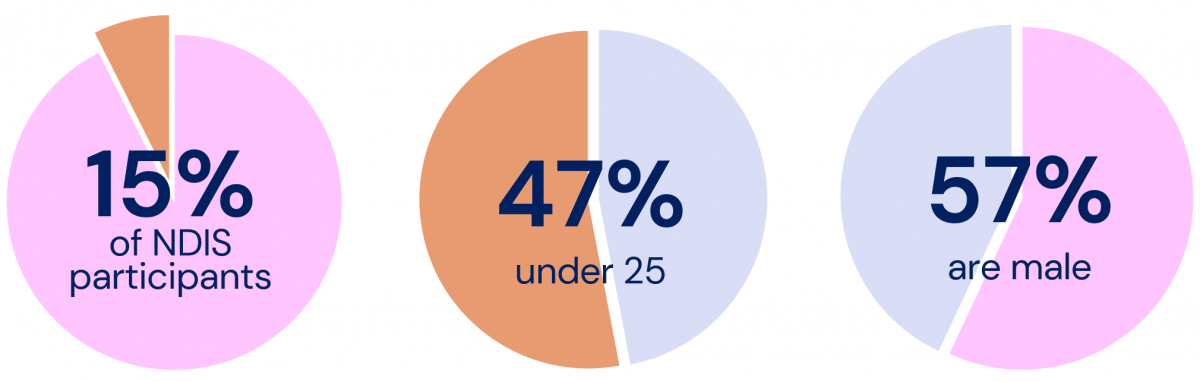
15% of the 610,502 active participants in the NDIS have a primary disability of an intellectual disability, making it the second most common disability for NDIS participants.

47% of participants with an intellectual disability are aged under 25 years.

57% of participants with an intellectual disability are male.

Intellectual Disability Statistics (visual representation of text above)


In the year ending June 2023:

89% of access decisions for applicants with an intellectual disability aged 18 years and under resulted in the applicant joining the Scheme, compared to 77% for those aged over 18 years

$98,100 was the average payment for a participant with an intellectual disability, an increase of 13% compared to the previous year

The number of participants with an intellectual disability has increased by 6% and 5% in the last two years.

Intellectual Disability Statistics (visual representation of text above)

These trends show that funded support for people with intellectual disabilities is increasing.


Childhood supports for Intellectual Disability is funded by the NDIS

Early Childhood Supports (EC) are available to children younger than 6 with developmental delays or children younger than 9 with disability.

Children younger than 6 do not need a diagnosis to get support through the NDIS early childhood approach where there are concerns about their development.

The support provided involves funding for capacity building supports in early childhood, including a key worker. Learn about the keyworker model in the NDIS here.

Funded supports are available for a child with developmental delay or disability and their family or carers across the following settings:

  • Home
  • Community
  • Early childhood education settings

The goal for early childhood support services is to work towards increased functional independence and social participation.

This approach aligns with research that finds early intervention can improve outcomes for children and families by targeting the circumstances that make supporting children's development difficult.

Therapy Supports (9 or older) for Intellectual Disability funded by the NDIS

Therapy supports are available for participants aged 9 and over with an established and diagnosed disability

The goal of therapy is to facilitate functional improvement where there is no more scope from a medical perspective to improve health and function.

Therapy or capacity building can seek to address your goals and build your independence across areas of your life that are meaningful to you.

What therapy services can I access using my NDIS funding?

The following therapists and supports relevant to your intellectual disability which you may be able to access using your NDIS funding:

  • Art Therapist
  • Counsellor
  • Developmental Educator
  • Dietitian
  • Exercise Physiologist
  • Music Therapist
  • Occupational Therapist
  • Physiotherapist
  • Podiatrist
  • Psychologist
  • Rehabilitation Counsellor
  • Social Worker
  • Speech Pathologist

There are also other professionals, described by the NDIA as a person who are not one of the types of professionals listed above but who the provider considers to be an appropriate professional to deliver therapeutic supports in line with the NDIS Quality and Safeguarding Commission’s requirements for the Therapeutic Supports Registration Group.

What other services can I access with NDIS funding?

NDIS funding is also available for other services outside of therapy. This includes day to day support provided by a support worker or support service.

If the support needs is related to your disability, you can access funding for a support worker to assist with:

  • Self-care routines
  • Cooking
  • Cleaning
  • Shopping
  • Transport
  • Programs and activities

These are just some examples of supports and services you can access using your NDIS funding related to your disability.

Our MyCareSpace Connections Team can help you navigate the NDIS and connect you with the services you need.

Get Started
 

MyCareSpace resources may be shared provided they are credited to MyCareSpace with backlinks to the original resource.

Resource Author: Bianca S. | NDIS Expert   Last Updated: 11 March 2026
NDIS

How to Apply for NDIS Funding

First, you need to determine whether you are eligible to apply for NDIS funding. 

See our 'Who is eligible for the NDIS' resource to see if you might be eligible.


Making your Access Request to the NDIS

If you’re 9 or older it’s best to contact your local area coordinator (LAC)

For children younger than 9, families can contact an early childhood partner.

Partners will help you understand:

  1. the eligibility requirements,
  2. what information and identification you need to give us.

1. Find your nearest NDIS office

Partners can help you apply to the NDIS by submitting the application on your behalf. This means you don’t need to complete the access request form yourself.

To find your nearest NDIS LAC or Early Childhood Partner, use the Office Locator tool on the NDIS website.

Find Office Locations

2. Call the NDIS

You can call the NDIA on 1800 800 110 and ask for your nearest office or ask them for help if there is not an office in your area.

3. Complete the Access Request Form without help

If you do not have access to a partner, you can download and complete the Access Request Form yourself.

Access Request Form

What do I need to include in my NDIS application?

As part of the Access Request process, you will be asked:

  1. to confirm your identity and/or a person's authority to act on your behalf
  2. questions to see if you meet the NDIS access requirements (age, residence and disability)
  3. questions about providing consent to enter the NDIS and about seeking information from third parties.

If you currently receive disability supports, you can give your provider consent to give the NDIS your information.

You will be asked to provide some additional information after you submit your Access Request.

This includes information about your disability and how it impacts on your day-to-day life.

You can provide copies of existing information, including letters or reports, or you can ask your treating health professional to fill out and sign a form.

Providing Information about your Disability

The NDIS needs evidence to help us consider if you meet the disability or early intervention requirements.

This includes information on:

  1. what your disability is,
  2. when it was diagnosed
  3. how long it will last
  4. available treatments (i.e. medications, therapies or surgeries)

You meet the disability requirements if the you provide the NDIS with evidence of all the following:

  • Your disability is caused by an impairment.*
  • Your impairment is likely to be permanent.
  • Your permanent impairment substantially reduces your functional capacity (ability) to undertake one or more of the following activities:
    • moving around,
    • communicating,
    • socialising, learning, or
    • undertaking self-care or
    • self-management tasks.
  • Your permanent impairment affects your ability to work, study or take part in social life.
  • You’ll likely need support under the NDIS for your lifetime (your disability is permanent).

You may be asked to provide additional evidence if the information you provided initially is deemed insufficient in meeting the NDIS eligibility criteria.

See the Disability Requirements information on the NDIS website.

*To meet the disability requirements, we must have evidence your disability is linked to at least one of the impairments below:

  1. intellectual – how you speak and listen, read and write, solve problems, and process and remember information
  2. cognitive – how you think, learn new things, use judgment to make decisions, and pay attention
  3. neurological – how your body’s nervous system functions
  4. sensory – how you see or hear
  5. physical – the ability to move parts of your body.

You may also be eligible for the NDIS if you have a psychosocial disability that means you have reduced capacity to do daily life activities and tasks due to your mental health.

It doesn’t matter what caused your impairment. For example, if you’ve had it from birth, or acquired it from an injury, accident or health condition.

It also doesn’t matter if you have one impairment, or more than one impairment.

For more detail about the impairments listed above see our resource on Notice of impairments. 

What kind of evidence is needed when applying to the NDIS?

The NDIA requires information that is:

  • recent (no more than 12 months old if relating to your functional capacity)
  • completed by a treating health professional who is relevant to your primary disability*
  • confirms your primary disability*
  • confirms the impacts of your disability on the different areas of your life
  • describes previous treatments and outcomes
  • describes future treatment options and expected outcomes of those treatments

*Primary disability refers to the impairment that impacts most on your daily functioning.

You may be asked to provide additional information and evidence if your information provided in your initial application is deemed insufficient. 

Here is a template that may help in developing an impact statement from SaveourSons

Who can Provide Evidence of your Disability?

You can work with your treating health professionals to provide your evidence of disability.

Examples of common treating health professionals include:

  • General Practitioner (GP)
  • Paediatrician
  • Orthopedic surgeon
  • Occupational Therapist
  • Speech Pathologist (Therapist)
  • Neurologist
  • Psychologist
  • Psychiatrist
  • Physiotherapist

The treating health professional who provides the evidence of your disability should:

  • be the most appropriate person to provide evidence of your primary disability; and
  • have treated you for a significant period of time (e.g. at least six months).

Use the information provided in the NDIS Types of Disability Evidence Fact Sheet to help you decide who the most appropriate treating health professional for your primary disability is.

Your treating health professional can provide evidence by:

Children under the age of 9

If you are a parent, guardian or representative of a child younger than 9 and you have concerns about your child’s development or disability, you should first speak with your doctor, child health nurse, early childhood educator or other health professional.

Your child’s health or education professional can provide evidence of your child’s disability or developmental delay to support an NDIS access request.

Get Reports from Health Professionals

This is really important when you are gathering evidence for your NDIS application from your GP, Specialist or other allied health professionals.

The reports need to present your disability in a view the NDIS understands. Often, health professionals use technical language when discussing conditions.

When working in the NDIS, the terminology used by health professionals must reflect the access requirements of the NDIS. The NDIS is focussed on 'functional capacity' whereas a doctor typically focuses on the symptoms or diagnosis. 


Please find below some resources on how to write reports for the NDIS. It is important for your health professionals to follows these guidelines:

Writing for the NDIS: help for doctors, practitioners, participants and families

Writing Reports for NDIS Access and Plan Reviews


Sources and Links:

Applying for the NDIS
Providing Evidence of your Disability
Access to the NDIS - Early Intervention Requirements
How to Apply for NDIS Funding
CARER Impact Template

MyCareSpace resources may be shared provided they are credited to MyCareSpace with backlinks to the original resource.

Resource Author: Bianca S. | NDIS Expert   Last Updated: 11 March 2026
NDIS

A Functional Capacity Assessment is usually conducted by healthcare professionals such as occupational therapists, physical therapists, or rehabilitation specialists.

They may use standardised tests, observation, interviews, and sometimes assistive technology to gather data on the individual's capabilities and limitations.

So can a Functional Capacity Assessment (FCA) be performed online?

Yes, it's possible for many components of a Functional Capacity Assessment to be completed online, especially in situations where in-person assessment may not be feasible or accessible.

The extent to which an FCA can be conducted online depends on various factors, including the technologies available, and the individual's specific needs and circumstances.

There are many ways information can be collected online, including:

  • Surveys
  • Interviews
  • Observations via zoom, videos, photos
  • Videos on your phone of every activities
  • Conversations with families, supporters and carers 
  • Photos of your home, work or school environment 
  • Inhome visits with the help of a local practioner or family member

Is an online Functional Capacity Assessment suitable for all disabilities?

Most disabilities, and their associated functional impairments, can be assessed online. For example:

  • Cognitive impairment (Stroke, Acquired Brain Injury, Learning Disability, and more)
  • Physical disability (Spinal cord injuries, Muscular Dystrophy, Cerebral Palsy and more)
  • Psychosocial disability (Schizophrenia, Borderline Personality Disorder and more)
  • Mental health (Bipolar, Depression, Anxiety, and more)
  • Neurological disorders (e.g. Multiple Sclerosis) and neurodiverse individuals (e.g. Autism Spectrum Disorder)

What kind of report will you get with an online Functional Capacity Assessment (FCA)?

The FCA report will be the same as when a face-to-face assessment is performed.

Here are some key components that may be included in an FCA report for the NDIS:

Background Information:
The report may start with background information about the individual, including their personal details, medical history, diagnoses, and any relevant information about their disability or condition.
 
Assessment Findings:
The report will detail the findings from the assessment process. This may include observations, standardized assessment results, and information gathered through interviews or discussions with the individual and their caregivers or support network.
 
Functional Capacity:
The report will outline the individual's current level of functional capacity across various domains, such as activities of daily living (ADLs), instrumental activities of daily living (IADLs), mobility, communication, cognitive abilities, social interaction, and behavior management.
 
Support Needs:
Based on the assessment findings, the report will identify the individual's specific support needs. This may include the type and level of assistance required to perform daily tasks, manage personal care, participate in community activities, and achieve their goals and aspirations.
 
Goals and Aspirations:
The report may include information about the individual's goals, aspirations, and desired outcomes. This could involve short-term and long-term goals related to independence, skill development, social participation, employment, education, or other areas of life.
 
Recommendations:
The FCA report will typically provide recommendations for supports and interventions to address the individual's needs and goals. These recommendations may include assistive technology, therapy services, specialized equipment, home modifications, access to community programs or services, and other forms of support.
 
Evidence-Based Justification:

The report will include evidence-based justification for the recommended supports and interventions, explaining how they align with the individual's assessed needs, goals, and best interests.
 
Plan Implementation:
The report may outline a proposed plan for implementing the recommended supports and interventions, including timelines, responsibilities, and steps for monitoring progress and adjusting the plan as needed.


MyCareSpace resources may be shared provided they are credited to MyCareSpace with backlinks to the original resource.

Resource Author: Bianca S. | NDIS Expert   Last Updated: 9 June 2026
NDIS

Functional Capacity Assessments (FCA) are a commonly funded NDIS support

This comprehensive resource covers all you need to know about Functional Capacity Assessments (FCA) in the NDIS.

  1. What is a Functional Capacity Assessment (FCA)?
  2. Why do I have a Functional Capacity Assessment in my NDIS plan?
  3. Who can perform a Functional Capacity Assessment?
  4. Can a Functional Capacity Assessment be completed online?
  5. What happens at an NDIS Functional Capacity Assessment?
  6. What does an FCA Report include?
  7. How long does a Functional Capacity Assessment take?
  8. Must the same therapist do the FCA and deliver therapy afterwards?
  9. Do I need a Functional Capacity Assessment to apply for the NDIS?

What is a Functional Capacity Assessment (FCA)?

A Functional Capacity Assessment is a comprehensive assessment of a person's capability across a range of daily activities and environments.

It examines how well you're managing your everyday tasks, like taking care of yourself and handling things around the house. It provides a big-picture look at how you're doing in different situations.

An FCA would include an assessment of your capabilities in these areas:

  • Self-care (showering, dressing, grooming tasks)
     
  • Household tasks (such as cleaning, cooking, vacuuming, mowing lawns)
     
  • Decision-making or concentration abilities (watching a movie, reading a book, managing finances, cooking tasks with multiple steps, shopping)
     
  • Management of bowel/bladder
     
  • Using your senses (visual disturbances or limitations, depth perception, reading small texts, hearing warning signals, ability to undertake conversations in loud rooms or on a phone)
     
  • Ability to engage in social activities (attend social functions, maintain friendships, leave the home to attend regular appointments without support, use public transport)
     
  • Mobility (use of aids, walking/standing tolerances, range of movement or whether assistance is needed from another person to manage mobility tasks)
     
  • Impacts to your physical functioning such as endurance limitations or ability to do a task on a repetitive basis.

Why do I have a Functional Capacity Assessment as part of my NDIS plan?

The purpose of a Functional Capacity Assessment (FCA) in the NDIS is to:

  • assess a person's current functional status,
  • identify any areas where they may require support or assistance,
  • and develop a plan of interventions or recommendations to enhance your independence and quality of life their goals and improve their overall function.

The FCA can be used to justify the NDIS funding or support you require (NDIS applications), or more importantly, you may have funding for a FCA in your first NDIS plan to determine the type of therapy and supports that will enable you to reach your goals.

In this scenario, an FCA will identify your support needs to ensure you know how to spend the therapy funding in your NDIS plan.

Who can perform a Functional Capacity Assessment?

The most appropriate therapist to complete a functional capacity assessment is an Occupational Therapist, as their training and skills enable them to assess and analyse all of the factors that contribute to how you live your daily life.

An Occupational Therapist will complete observations, interviews and standardised assessments to gather data on the individual's capabilities and limitations.

In some cases, another allied health professional may be able to complete this assessment if it relates to your specific needs.

Find an NDIS occupational therapist near you

Download Functional Capacity Assessment Info Sheet

How long does a Functional Capacity Assessment take?

The functional capacity assessment can take between two to three hours and may require one or two visits. The time taken to complete the assessment relates to the complexity of your circumstance.

Report writing time can typically take anywhere between 5-8+ hours. This also depends on how much detail is required, based on the purpose of the report.

For example, if the purpose of the report is to request additional funding in your NDIS plan, you may require additional evidence and justification regarding the specific requirements where more funding is requested.

Speak with your therapist about the anticipated time and costs required for your functional capacity assessment once they have an understanding of the nature of the request and your disability.

Can a Functional Capacity Assessment be completed online?

Yes, it's possible for some components of a Functional Capacity Assessment to be completed online, especially in situations where in-person assessment may not be feasible or accessible.

The extent to which an FCA can be conducted online depends on various factors, including the:

  • nature of the referral
  • individual's specific needs and circumstances
  • technologies available

Delaying an FCA until a face-to-face appointment is needed may delay the opportunity to get therapy started, so an online FCA is better than no FCA!

There is a great deal of capacity to perform the FCA online.

Learn more about telehealth, online therapy and making it work for you.

What happens at an NDIS Functional Capacity Assessment?

The therapist will use a combination of interviews, observations, and both standardised tests and non-standardised tests, which can vary from practice to practice. The NDIS has not issued a standardised Functional Capacity Assessment process to be used.

The assessment typically involves an evaluation of the person’s functional abilities and needs, as well as a review of their daily activities and environments be it at home, work, or community.

Here's an overview of what typically happens during such an assessment:

  1. Initial Interview:
    The process usually begins with an initial interview between you and a healthcare professional conducting the assessment. During this interview, the individual may be asked about their medical history and current health status, about their goals, strengths, and challenges. They will review medical records, gathering information from other doctors or other therapists, as needed. They will also want to speak with your loved one or core support to understand their lived experience of disability.
     
  2. Assessment of Activities of Daily Living (ADLs):
    The healthcare professional will assess your ability to perform activities of daily living (ADLs), which include tasks such as bathing, dressing, grooming, toileting, eating, and mobility. They may observe you performing these tasks or use standardised assessment tools to gather data.
     
  3. Assessment of Instrumental Activities of Daily Living (IADLs):
    In addition to basic ADLs, the assessment may also include an evaluation of your ability to perform important activities of daily living (IADLs). These tasks typically involve more complex activities necessary for independent living, such as meal preparation, housekeeping, managing medications, shopping, and managing finances.
     
  4. Functional Mobility Assessment:
    Your mobility and ability to move safely and independently within various environments (e.g., home, community) may be assessed. This can include tasks such as walking, climbing stairs, getting in and out of bed or chairs, and using mobility aids if applicable.
     
  5. Cognitive and Communication Assessment:
    Depending on your needs and circumstances, the assessment may also include an evaluation of cognitive abilities such as memory, attention, problem-solving, and communication skills.
     
  6. Environmental Assessment:
    The healthcare professional may assess your home environment or other relevant settings to identify any environmental barriers or modifications that may be necessary to support your independence and safety.
     
  7. Documentation and Recommendations:
    Following the assessment, the healthcare professional will typically document their findings and provide recommendations tailored to your NDIS needs and goals. These recommendations may include strategies for improving functional abilities, training on assistive devices or adaptive techniques, modifications to the environment, referrals to other healthcare professionals or community resources, and ongoing support or follow-up as needed.

Your therapist will provide you with a written report afterwards.

What does an NDIS Functional Capacity Report include?

The FCA report includes a summary of recommendations tailored to individual needs.

Here are some key components that may be included in an FCA report for the NDIS:

  1. Background Information:
    The report may start with background information about the individual, including their personal details, medical history, diagnoses, and any relevant information about their disability or condition.
     
  2. Assessment Findings:
    The report will detail the findings from the assessment process. This may include observations, standardized assessment results, and information gathered through interviews or discussions with the individual and their caregivers or support network.
     
  3. Functional Capacity:
    The report will outline the individual's current level of functional capacity across various domains, such as activities of daily living (ADLs), instrumental activities of daily living (IADLs), mobility, communication, cognitive abilities, social interaction, and behaviour management.
     
  4. Support Needs:
    Based on the assessment findings, the report will identify the individual's specific support needs. This may include the type and level of assistance required to perform daily tasks, manage personal care, participate in community activities, and achieve their goals and aspirations.
     
  5. Goals and Aspirations:
    The report may include information about the individual's goals, aspirations, and desired outcomes. This could involve short-term and long-term goals related to independence, skill development, social participation, employment, education, or other areas of life.
     
  6. Recommendations:
    The FCA report will typically provide recommendations for supports and interventions to address the individual's needs and goals. These recommendations may include assistive technology, therapy services, specialized equipment, home modifications, access to community programs or services, and other forms of support.
     
  7. Evidence-Based Justification:
    The report will include evidence-based justification for the recommended supports and interventions, explaining how they align with the individual's assessed needs, goals, and best interests.
     
  8. Plan Implementation:
    The report may outline a proposed plan for implementing the recommended supports and interventions, including timelines, responsibilities, and steps for monitoring progress and adjusting the plan as needed.
     

The clinician/therapist will evaluate if each support is “Reasonable and Necessary” based on NDIS criteria.

Must the same therapist do the FCA and deliver therapy afterwards?

In some cases, the same therapist who conducts the Functional Capacity Assessment (FCA) may also provide therapy or intervention services afterwards, but this is not always the case.

Ultimately, the decision about whether the same therapist delivers therapy after the FCA will depend on factors such as the individual's needs and preferences, therapist availability and expertise, organisational policies, and the coordination of care within the healthcare system.

Do I need a Functional Capacity Assessment to apply for the NDIS?

It is not a requirement to have an FCA for an NDIS application, but it does help if you need evidence to prove 'substantially reduced functional capacity' in one of your life areas: See our resource on Functional Capacity in the NDIS.

This resource addresses FCAs that are funded as part of your therapy funding requirement.

How do I find a therapist to complete an FCA?

The MyCareSpace Connections Team can help you find an Occupational Therapist or another therapist to complete a Functional Capacity Assessment

Find A Therapist


MyCareSpace resources may be shared provided they are credited to MyCareSpace with backlinks to the original resource.

Resource Author: Bianca S. | NDIS Expert   Last Updated: 11 March 2026
NDIS

Spinal Cord Injury and NDIS

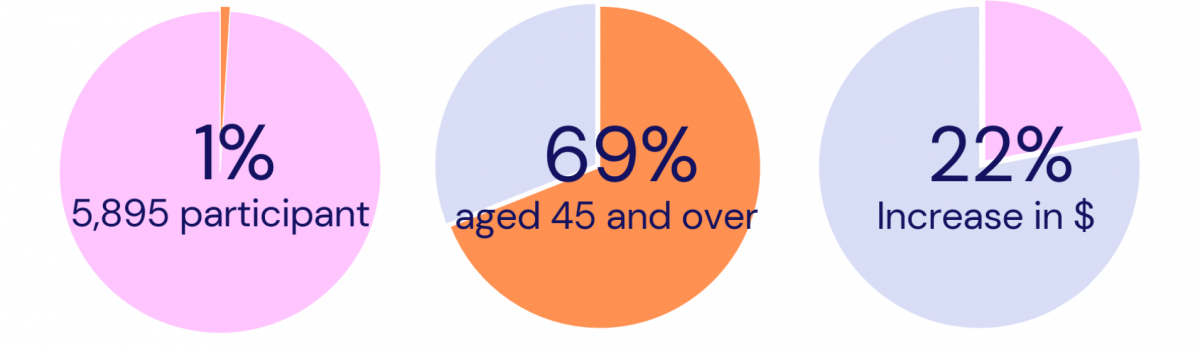
As of June 2023, there are 5,895 active NDIS participants with spinal cord injury as their primary disability. This makes up 1% of participants on the Scheme.

69% of participants with a spinal cord injury are aged 45 years and over.

$860 million of paid supports were provided to participants with a spinal cord injury, compared to $704 million in the previous year. This is an increase of 22% of funded support.

Visual representation of statistics discussed above

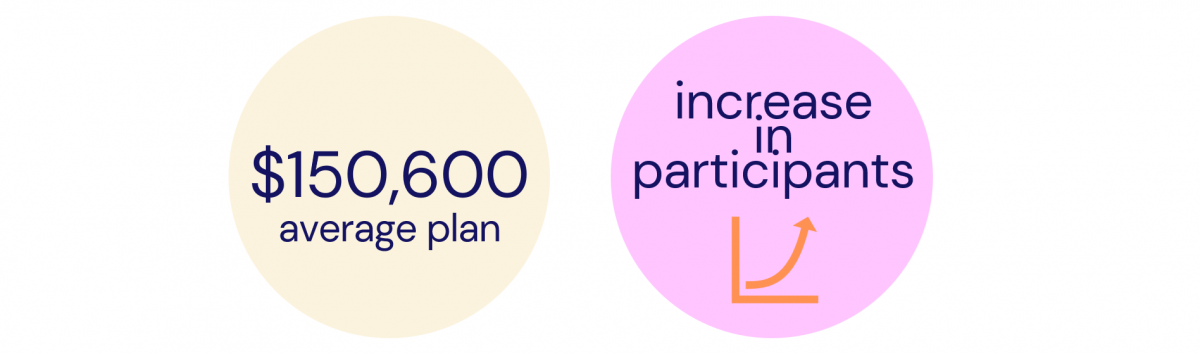
$150,600 was the average payment for a participant with a spinal cord injury, an increase of 14% compared to the previous year.

The number of participants with a spinal cord injury has increased by 8% and 6% in the last two years.

Visual representation of statistics discussed above

These trends show that funded support for people with Spinal Cord Injuries are increasing.


Are people with Spinal Cord Injury eligible for NDIS funding?

The NDIA has eligibility criteria for people applying to the NDIS.

You are eligible for NDIS funding if you meet the following NDIS Access Criteria:

  • You are aged between 9 and 65 years
  • You are an Australian citizen, permanent resident, or Protected Special Category Visa holder
  • You live in Australia
  • You have a disability caused by a permanent impairment (lifelong disability)

See Who is eligible for the NDIS? for further information on NDIS eligibility criteria.


NDIS Eligibility Requirements for Spinal Cord Injury

Within the NDIS eligibility requirements, the NDIA have published Condition Lists. On these lists include conditions that are considered likely to meet eligibility criteria for having a disability that results in a permanent and lifelong impairment.

If you have a condition stated in Condition List A, you are likely to meet the disability requirements to access the NDIS.

Spinal Cord Injury is included in Condition List A if the injury, as specified by the NDIA, results in paraplegia, quadriplegia or tetraplegia. Learn more about these classifications here: What is a Spinal Cord Injury?

You may be eligible for the NDIA if you have a complete or incomplete spinal cord injury.


Evidence of Spinal Cord Injury for NDIS Eligibility

The NDIS requires information about your disability when determining whether you are eligible to access the scheme.

When providing evidence to access the NDIS, you will have the best chance for success if you include information specifically about how your impairment is permanent and how your disability/condition substantially reduces your functional capacity or ability to undertake activities in one or more of the following areas:

Communicating

This involves how you speak, write, or use sign language and gestures to express yourself. Communication can involve face to face interactions and electronic communication, such as use of phone and computer for SMS, emails etc.

The NDIA considers how well you communicate with others and how your communication is impacted by your spinal cord injury.

Socialising

This involves how you make and keep friends, or interact with others in the community. The NDIA considers how you socialise with others and what barriers may be present with socialising directly related to your spinal cord injury.

Are there any conditions secondary to your spinal cord injury related to your mental health that impacts your ability to regulate your emotions and feelings in social situations?

Learning

This involves how you learn, understand and remember new things, and practice and use new skills. At the time of your spinal cord injury, was there any impact to your brain? If your cognitive abilities have been affected, this may impact how you learn and interact with the world.

Mobility

This involves how you move around your home, transfer in and out of bed, transfer on and off the toilet, in and out of the shower etc. This also involves how you move around your community and transportation. NDIA will consider whether you require use of a mobility aid or home environment modifications to promote your independence with mobility.

Self Care

How do you manage your personal care needs? Maintain hygiene? Eat and drink? Get dressed? Go to the toilet? You will need to provide information about how you complete your self-care tasks, and how much help you need from others for these routines.

Self-Management

This involves how you organise your life - How do you plan? Make decisions? Look after yourself? The NDIS considers your capacity to manage your life, involving your ability to problem solve and make your own decisions.

For further information regarding eligibility criteria, please review the NDIS Guidelines in Becoming a Participant


How do I know if I meet the NDIS eligibility criteria?

Of the activities listed above, you must be able to demonstrate impairment across one or more of these requirements.

When you submit an application to the NDIS, it will be reviewed and you will be provided with an outcome if you have been successful or not in meeting the eligibility criteria to access the NDIS.


What do I need to include in my NDIS application?

To apply to the NDIS, you will need to complete an Access Request Form

As part of the access request process, you will be asked:

  • to confirm your identity and/or a person's authority to act on your behalf
  • questions to see if you meet the NDIS access requirements (age, residence and disability)
  • questions about providing consent to enter the NDIS and about seeking information from third parties.

It is helpful to provide letters and reports from your treating health professionals with information regarding your spinal cord injury and the impact it has in your everyday life.


Do I need an Occupational Therapy (OT) report to access the NDIS?

While an OT report is not a requirement for an NDIS application, it is helpful to submit an OT report with your application as this will provide important information as to how your spinal cord injury impacts your functional capacity across the eligibility categories listed above.

The report will link any impairment you experience across the eligibility criteria to your spinal cord injury. 

The report may not provide specific recommendations for supports you require, but rather it should provide a broader recommendation as to whether NDIS-funded supports are considered necessary for you.

Learn more about Occupational Therapy here: Decoding Allied Health


How do I get an OT report?

An OT report is completed following an OT assessment. Any assessments and reports completed prior to accessing the NDIS cannot be funded by the NDIS.

If you are currently in hospital, you will likely have access to an in-patient Occupational Therapist to complete this assessment and prepare a report

If you are not linked in with spinal service, you may have to pay for the OT assessment and report privately. In some cases, you may be able to claim some of the cost through Medicare.


Does an OT assessment and report guarantee acceptance onto the NDIS?

No, as ultimately the decision is made by the NDIA. However, an OT assessment and report will be helpful in clearly demonstrating the link between your spinal cord injury and the functional impairment experienced. This is what the NDIA considers when making their decision.

Other treating health professionals can also provide complete a letter or report to assist with your application if they can provide relevant recommendations. If you have support from a social worker at hospital, they may assist you with completing the paperwork to access the NDIS.


How do I find an Occupational Therapist for an assessment to access the NDIS?

The MyCareSpace Connections Team can help you to find an Occupational Therapist with capacity in your area or via online.

Find an OT


More information on how to access the NDIS

How to Apply for the NDIS

Writing an NDIS Carer Statement for NDIS Access and Reviews

Writing Reports for NDIS Access and Plan Reviews (Reassessments)
 

MyCareSpace resources may be shared provided they are credited to MyCareSpace with backlinks to the original resource.

Subscribe to NDIS Eligibility & Access

Our Preferred NDIS Plan Manager

Plan Hero Plan Management is our preferred NDIS Plan Manager because they are independent and specialist Plan Managers who have both lived experience and expert NDIS knowledge. Plan Management is all they do!

Plan Hero helps you keep your funding organised and on track within each funding period, so you don’t overspend or leave funds unused. They make sure providers are paid on time and help you stay on top of your budget. Their team is easy to reach, with clear, direct communication and no waiting on hold (ever).

Plan Hero gives you the support you need to use your NDIS funding with confidence.