Home / NDIS Eligibility & Access

NDIS Eligibility & Access

Resource Author: Bianca S. | NDIS Expert   Last Updated: 11 March 2026
NDIS

What is a Spinal Cord Injury?

A Spinal Cord Injury (SCI) involves damage to the nerves or nerve fibres of the spinal cord that sends and receives signals from the brain. 

As these signals communicate messages between the body and the brain, any damage can result in a small or significant consequence in how the body functions.

The spinal cord is long - it extends from the bottom of the brain to the lower back.

A spinal cord injury may result from damage directly to the spinal cord or to damage of the tissues and bones surrounding it.

A Spinal cord injury can impact:

  • Movement
  • Sensation
  • Breathing
  • Organ function
  • Bladder and bowel function
  • Sexual function


What is the impact of a Spinal Cord Injury?

The impact on function depends on the location and severity of the spinal cord injury.

Typically, the higher up the injury on the spinal cord, the greater the functional impairment experienced to the upper and lower body.

An injury lower down may have an impact on leg function only.

Tetraplegia and Quadriplegia 

Tetraplegia or quadriplegia involves an injury higher on the spinal cord which can cause paralysis in most of the body and affects all limbs.

Paraplegia

Paraplegia results from an injury that occurs lower down on the spinal cord which may only affect a person’s lower body and legs.

Paralysis

Paralysis is the loss of movement and sensory function.

Paralysis can occur immediately upon injury (primary damage) or develop over time from bleeding and swelling in the spinal cord and cell degeneration (secondary damage).


Complete and Incomplete Spinal Cord Injury

Spinal Cord Injury can be described as complete or incomplete.

Incomplete Spinal Cord Injury

An incomplete injury means the spinal cord is still able to send some messages to or from the brain. Having an incomplete injury means you may still have some feeling, function, and muscle control below the site of your injury.

Complete Spinal Cord Injury

A complete injury means that there is no nerve communication below the injury site. This results in a loss of muscle control, feeling or function below the injury.


Spinal Cord Injury Classification

The classification of a spinal cord injury is according to the American Spinal Injury Association (ASIA) Impairment Scale.

Learn more about the ASIA Impairment Scale.

International Standards for Neurological Classification of Spinal Cord Injury (ISNCSCI)

How is a Spinal Cord Injury Diagnosed?

A spinal cord injury is diagnosed through various imaging methods, such as Magnetic resonance imaging (MRI), Computerised tomography (CT) and X-rays. This is to detect brain and spinal injury and differentiate it from trauma which may not be as permanent.

Directly following injury, the body is also assessed, monitored and treated due to the potential implications to the following physiological functions:

  • breathing
  • circulation
  • changes in muscle tone and pain
  • reflexes
  • bladder and bowel function
  • sexual function


Can you recover from a Spinal Cord Injury?

Through intensive rehabilitation, there is scope to regain some level of function that may have been impacted by a spinal cord injury. Rehabilitation may last months or years following the injury, depending on the severity of the injury.

However, it is unlikely that you will completely “recover” from a spinal cord injury and live "symptom-free" with no impact to your body and functioning. In some cases, deficits are permanent and will require intensive intervention and lifelong support to manage disability and health related needs.

Lifelong engagement with allied health professionals, such as Occupational TherapyPhysiotherapy and/or Exercise Physiology may be required to maintain function over the longer term following the rehabilitation period.

Specialised interventions with a suitably qualified allied health professionals are beneficial in addressing your specific needs.

You can recieve funding for therapy services if you are deemed eligible for the NDIS. What


What types of therapy can I access?

You can access a wide range of therapy providers, with a resource coming soon which explains the role of allied health in the NDIS.


How to access NDIS services?

The MyCareSpace Connections Team can help you to navigate the NDIS and connect you with local providers in your area.

Get Started

MyCareSpace resources may be shared provided they are credited to MyCareSpace with backlinks to the original resource.

Resource Author: Bianca S. | NDIS Expert   Last Updated: 11 March 2026
NDIS

Welcome to the NDIS Acquired Brain Injury Series

If you have found your way to this page, it means you are interested in learning more about acquired brain injury (ABI) and navigating the NDIS.

Our MyCareSpace NDIS Navigators have prepared a series of resources that unpack the topics frequently asked by people with acquired brain injury and their families who want to better understand how to use their NDIS funding to achieve their goals.

Each topic has a different theme and provides you with additional links and resources to further your learning. Starting off with an overview of acquired brain injury and the NDIS...

What is Acquired Brain Injury?

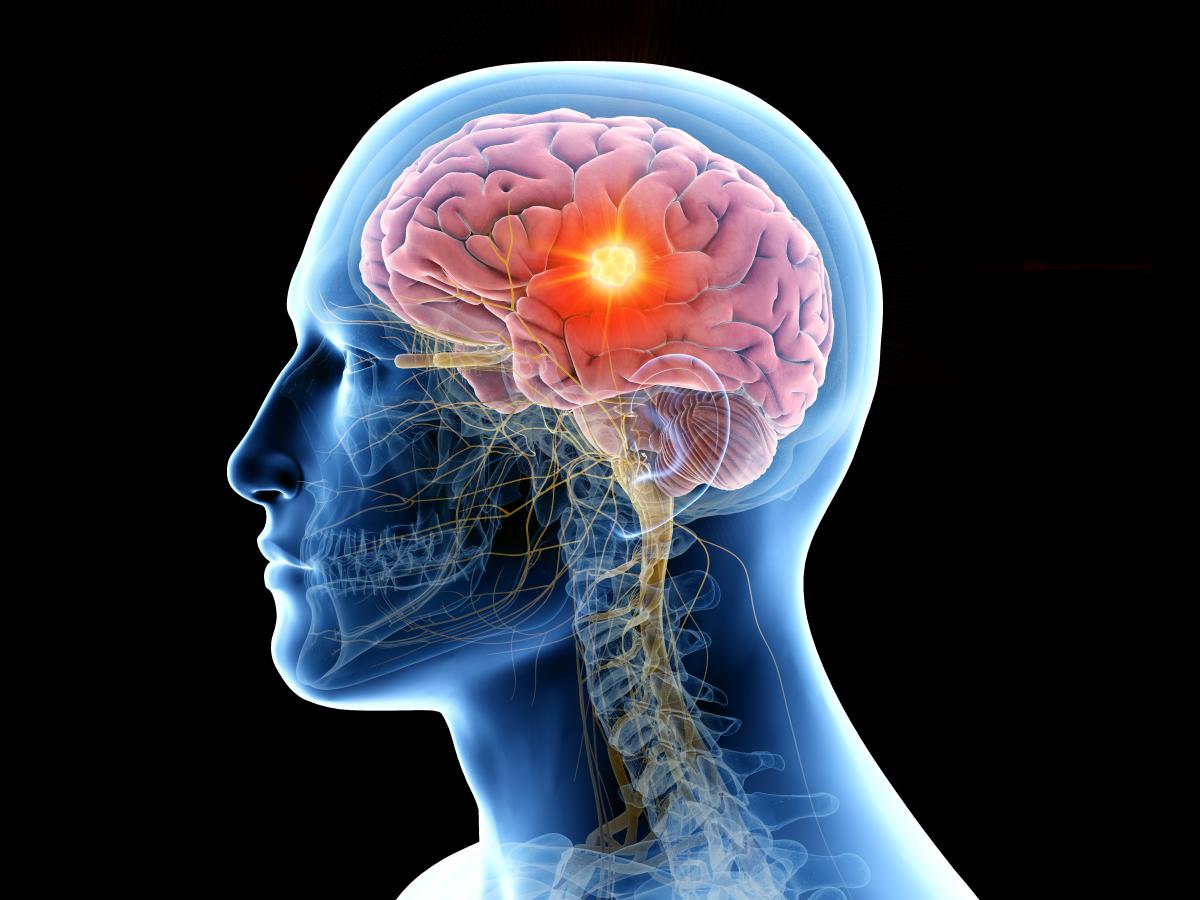
Illustration of side view medical imaging of brain and head

An acquired brain injury is the result of damage to the brain. It can be caused by:

  • Trauma or injury to the head (referred to as a traumatic brain injury)
  • Stroke
  • Drugs, alcohol or poisons
  • Lack of oxygen to the brain for an extended time (for example, a near-drowning)
  • infection
  • Tumour
  • Neuro-degenerative conditions can impact the brain, such as:
  • Parkinson's disease
  • Alzheimer's disease or some other form of dementia
  • ALS (amyotrophic lateral sclerosis)

As an acquired brain injury can occur in a variety of ways, brain damage can cause a range of different problems for individuals.  An acquired brain injury may impact your capacity to engage in day-to-day activities in one way or another. Support needs may be minor, moderate or maximal.

Learn all about Acquired Brain Injury:

What is Acquired Brain Injury?


Accessing the NDIS with an Acquired Brain Injury

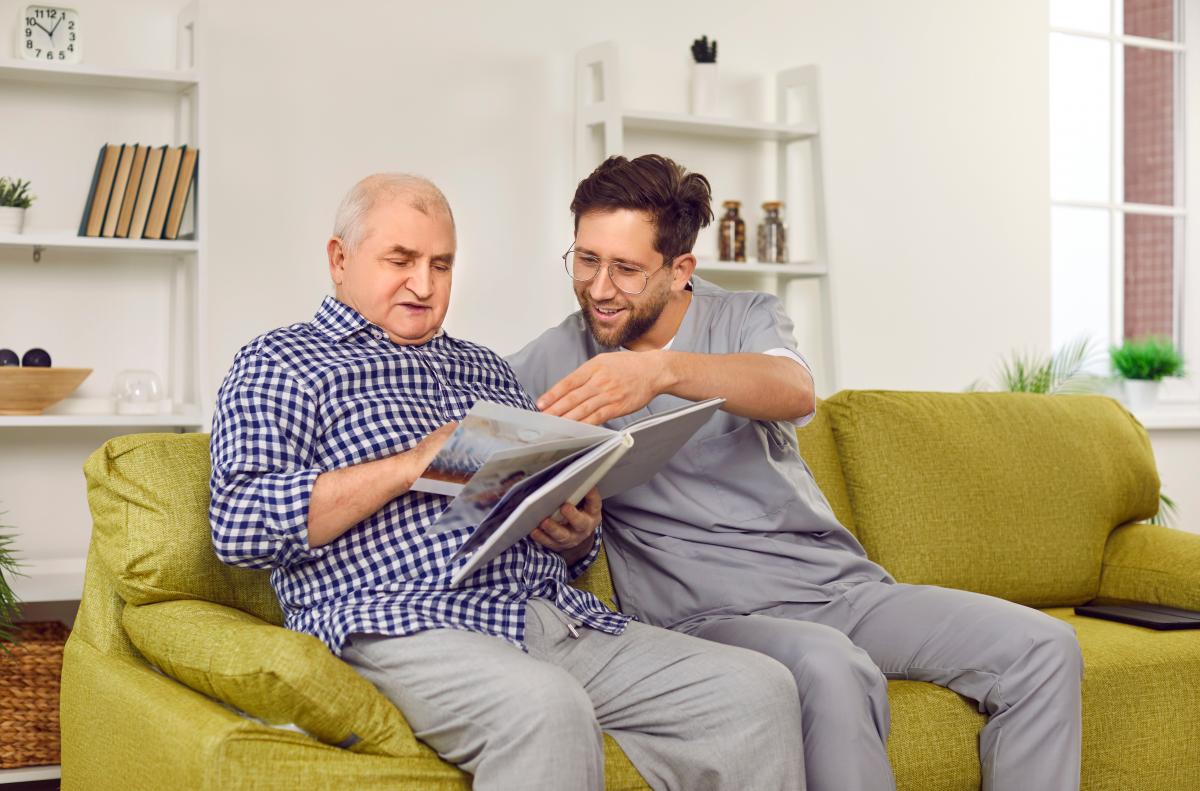
Gentleman with carer seated on a couch reading a book

If you have a brain injury that has resulted in permanent functional impairment, you may be eligible to the NDIS. 3% of the 610,502 active participants in the NDIS have a primary disability of an acquired brain injury

When applying to the NDIS, evidence of having a brain injury will be required for your application. You must be able to demonstrate how your permanent impairment results in a lifelong disability for it to be funded by the NDIS. 

Find out more about what you need to include in an NDIS application for an acquired brain injury:

Accessing the NDIS with an Acquired Brain Injury


Acquired Brain Injury and Assistive Technology

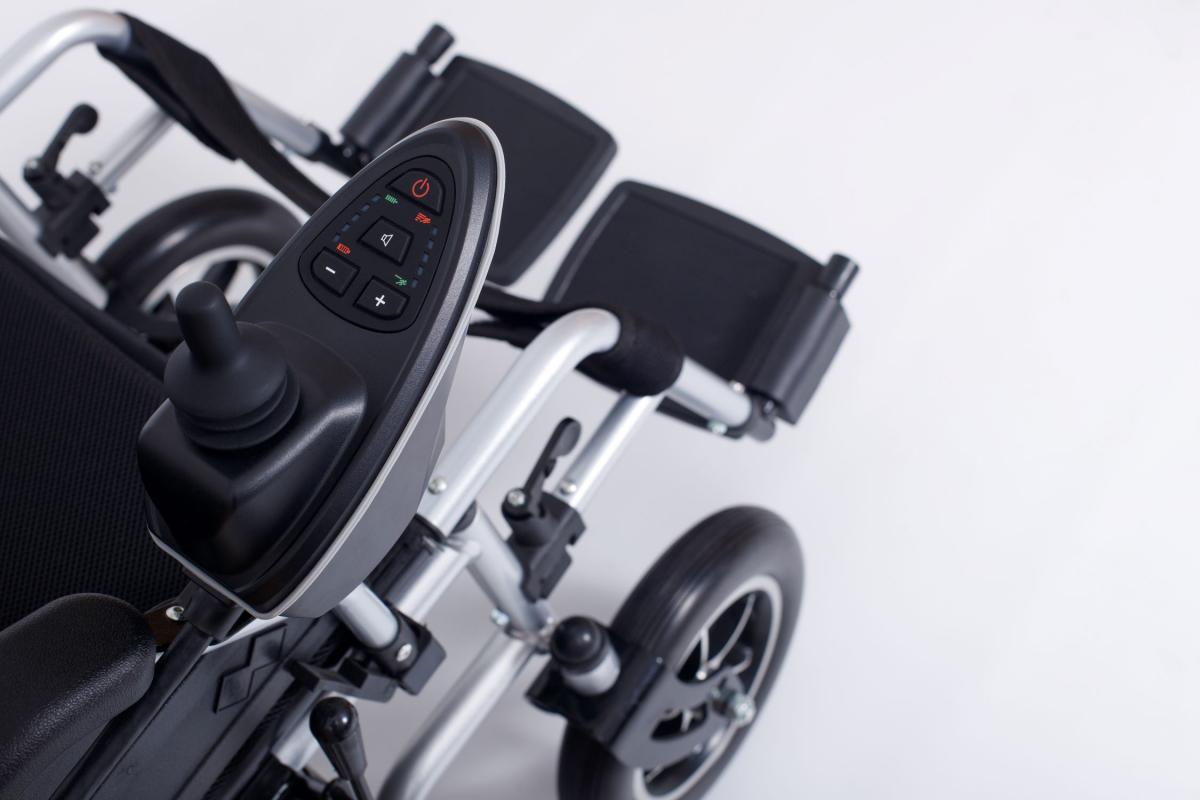
Wheelchair with controller including joystick and buttons

In some cases, people with an acquired brain injury demonstrate high support needs due the severe impact of their injury. This may result in a need for assistive technology.

Assistive technology that you can benefit from with an acquired brain injury includes:

  • Mobility Devices such as a wheelchair
  • Transfer Assistive Technology such as hoists and slings
  • Bedroom Assistive Technology such as adjustable beds and pressure mattresses
  • Bathroom Assistive Technology such as shower commodes and toilet equipment
  • Living and Dining Assistive Technology such as seating and special trays
  • Kitchen Assistive Technology such as tools to help you cut and prepare food

Find out more about how you can benefit from assistive technology:

Acquired Brain Injury and Assistive Technology in the NDIS


Supported Independent Living and Acquired Brain Injury

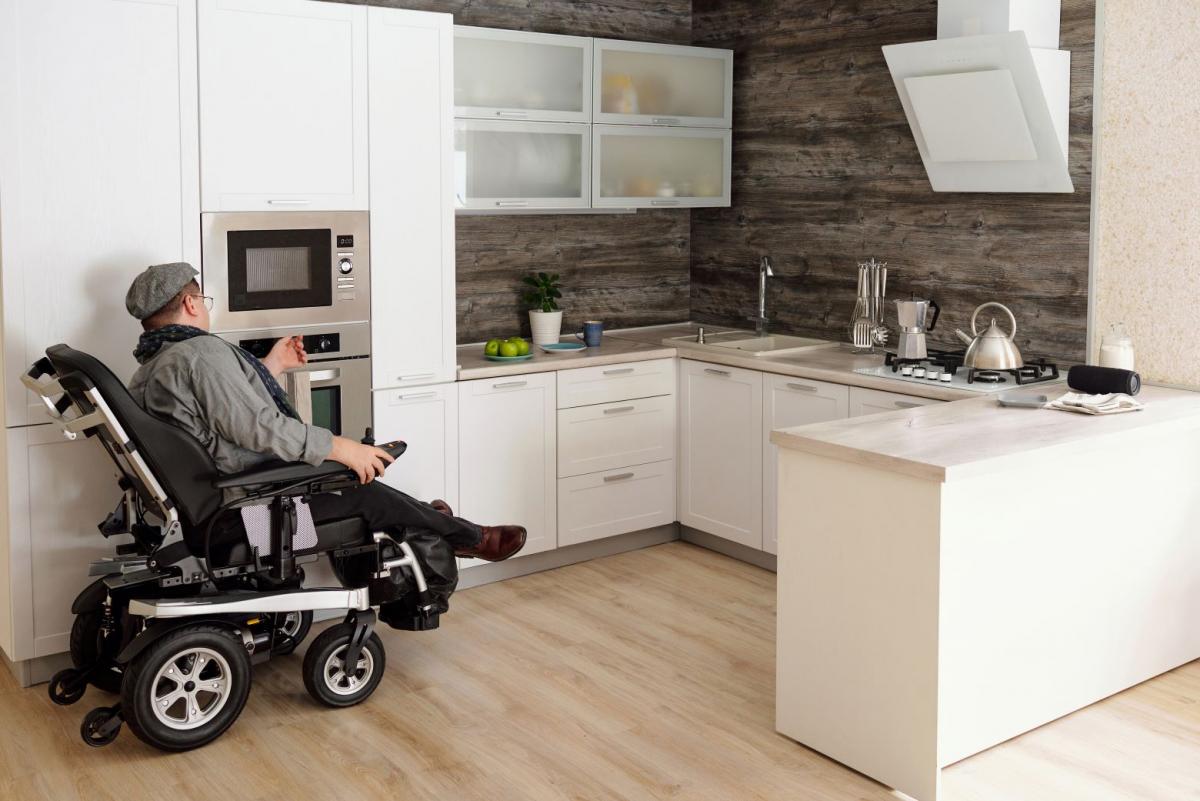
Gentleman in wheelchair navigating kitchen at home

Supported Independent Living (SIL) is the support or supervision of daily tasks by paid support workers to help you to live as independently as possible. The support you receive through SIL relates directly to your support needs in the home. SIL support typically involves daytime and overnight support which is provided individually (1:1) or shared (1:2, 1:3, 1:4 etc)

Depending on your needs, SIL may include the following supports:

  • Assistance with personal care, like showering, dressing and toileting
  • Assistance with household tasks such as cleaning, preparing meals, washing clothes and cleaning
  • Active overnight and/or sleepover support
  • Assistance with complex medical needs
  • Positive behaviour support management
  • Assisting with administering medication and management of health needs related to your disability, such as bowel care, catheter, epilepsy, asthma and tube feeding

Learn all about how SIL can help you, high physcial support needs, ratio's of support etc here:

Supported Independent Living and Acquired Brain Injury


How to Get Funding for Supported Independent Living (SIL)

Young man seated in wheelchair in his home in front of shelf

So you now know how SIL is funded in your NDIS plan, but how do you get approved for funding for SIL?

This resource contains helpful easy to understand information on the following topics to help you in accessing the support you need:

  • SIL Eligibility
  • Is SIL Reasonable and Necessary?
  • What do the NDIS consider when approving funding for Supported Independent Living (SIL)?
  • What is a Functional Capacity Assessment?
  • How does a Functional Capacity Assessment for SIL differ to a standard Functional Capacity Assessment?
  • How can I get a Functional Capacity Assessment for Supported Independent Living (SIL)?
  • How do I submit a request for SIL to the NDIS?

Find answers to these frequently asked questions here:

How to Get Funding for Supported Independent Living (SIL)


How to maximise your SIL funding with an Acquired Brain Injury

Gentleman preparing pizza with support worker in a kitchen

A recurring question the MyCareSpace team are asked is "how do I make the most of my NDIS funding?". There is often confusion about what will and won't be funded, what is considered reasonable and necessary for the NDIS to fund, and what is considered a personal expense. These lines in particular can be blurred when in-home supports are involved, such as SIL.

To make the most of your funding, it is important to understand how funding is allocated in your NDIS plan and what services and supports this funding can be used for.

The MyCareSpace team are frequently asked the following questions related to SIL:

  • Does SIL include accommodation?
  • Does SIL include groceries and other day-to-day expenses?
  • What happens to SIL if I am in hospital?
  • Is staff training required for Acquired Brain Injury in the NDIS?
  • Does SIL = shared supports?
  • Will I receive SIL if I don’t need support all of the time?

This resource answers all of these questions to help you maximise your NDIS funding:

How to maximise your SIL funding with an Acquired Brain Injury


How do I find a SIL provider?

When SIL is approved in your plan, you will be provided with a sum of funding for SIL in your Core Support budget.

You are not automatically allocated to a provider, and have choice and control over which provider you engage with for SIL.

The SIL provider you select will assist in preparing a roster of care, utilising the funding allocated in your plan to cater to your needs across your week.

Need help finding a SIL provider? Get in touch with our Connections Team for assistance to nagivate the NDIS and find a SIL provider in your area.

Get In Touch


Find More Resources

MyCareSpace offers a range of resources across all topics involving the NDIS.

Review our Resource Library to learn more about how to make the most of your NDIS funding: MyCareSpace Resources

Screenshot of the search form


Need help Navigating the NDIS?

The MyCareSpace Connections Team can help you to navigate the NDIS and find NDIS supports that you need to achieve your goals.

Get Started

MyCareSpace resources may be shared provided they are credited to MyCareSpace with backlinks to the original resource.

Resource Author: Bianca S. | NDIS Expert   Last Updated: 11 March 2026
NDIS

What is an Acquired Brain Injury?

An acquired brain injury (ABI) is the result of damage to your brain.

This can involve trauma to the brain, or be a result of a stroke, drugs, alcohol or poisons, lack of oxygen to the brain, infection or tumor.

An acquired brain injury may be a result of a neurodegenerative condition, such as Parkinson's disease or dementia.


Acquired Brain Injury and the NDIS

Some interesting facts...

  • 3% of the 610,502 active participants in the NDIS have a primary disability of an acquired brain injury
  • Over the past year, 80% of acquired brain injury NDIS applications were successful
  • The number of participants with an acquired brain injury has increased by 12% and 8% in the last two years
  • $138,600 was the average payment per participant with an acquired brain injury in 2023. This has increased by 15% since the year before
  • 15% of participants with an acquired brain injury had SIL funded in their NDIS plan throughout 2023 

In summary, funding for brain injury is on the rise. More Autralian's with an acquired brain injury are accessing the services they need to achieve their goals.


Acquired Brain Injury and eligibility for NDIS funding?

If you have a brain injury that has resulted in permanent functional impairment, you may be eligible to the NDIS.

The NDIS has eligibility criteria for people applying to the NDIS. You are eligible for NDIS funding if you meet the following NDIS Access Criteria:

  • You are aged between 9 and 65 years
  • You are an Australian citizen, permanent resident, or Protected Special Category Visa holder
  • You live in Australia
  • You have a disability caused by a permanent impairment (lifelong disability)

What is impairment? When your capacity to complete a task as easily or quickly as “normal” is reduced due to your acquired brain injury.

What is “normal”? This is how you may have completed the task prior to acquiring your brain injury, or how people of a similar age and demographic who do not have a brain injury may complete a task.

See Who is eligible for the NDIS? for further information on NDIS eligibility criteria.


NDIS Eligibility Criteria

Within the NDIS eligibility requirements, there are two lists of conditions for NDIS eligibility - Condition List A and Condition List B.

NDIS Condition List A includes conditions that are likely to meet the disability eligibility requirements for people seeking to access the NDIS. 

Brain Injury is included in Condition List A, however there is no further information or details regarding any specific condition that is classified as a brain injury by the NDIA.


NDIS Condition List B is the second list which outlines conditions that are likely to result in a permanent impairment. If the presence of a permanent impairment can be established, then the application will likely meet the disability eligibility requirements. 

The following conditions included in Condition List B are considered acquired brain injuries:

  • Alzheimer’s dementia
  • Vascular dementia
  • Parkinson’s disease
  • Brain stem stroke syndrome
  • Cerebellar stroke syndrome
  • Hydrocephalus, which can in some cases be caused subsequent to a brain injury


There are other types of brain injury not included in this list. However, this does not mean that you are unable to access the NDIS.

When applying to the NDIS, evidence of having a brain injury will be required for conditions stated in both List A and List B. 

Due to List B including conditions that are likely to result in a permanent impairment, further evidence is required to establish that the impairment is considered lifelong. 


Remember, a permanent impairment resulting in a lifelong disability is typically funded by the NDIS. 

If your condition is not considered permanent or lifelong, the NDIS may not be right for you. If this is the case, there may be alternative services and funding available to you through the health system or other departments or agencies.


Evidence of Acquired Brain Injury for NDIS Eligibility

When providing evidence to access the NDIS, you will have the best chance for success if you provide information on your permanent impairment, and how it substantially reduces your functional capacity or ability to undertake activities in one or more of the following areas:

Communicating

This involves how you speak, write, or use sign language and gestures to express yourself.
The NDIA considers how well you understand people and how others understand you, and how this is impacted by your brain injury.

Socialising

This involves how you make and keep friends, or interact with others the community.
The NDIA considers how you socialise with others, and also want to know about your behaviours and how your brain injury impacts your ability to cope with feelings and emotions in social situations.

Learning

This involves how you learn, understand and remember new things, and practice and use new skills.
The NDIA will consider how your acquired brain injury impacts your cognitive abilities, which impacts how you learn and interact with the world.

Mobility

This involves how you move around your home, transfer in and out of bed, transfer on and off the toilet, in and out of the shower etc. This also involves how you move around your community.
NDIA will consider whether you require use of a mobility aid or home environment modifications to help with your mobility.

Self Care

How do you manage your personal care needs? Maintain hygiene? Eat and drink? Get dressed? Go to the toilet?
The NDIA will require information about how you complete your self-care tasks, and how much help you need for these routines.

Self-Management

This involves how you organise your life - How do you plan? Make decisions? Look after yourself?

The NDIS considers your capacity to manage your life, involving your ability to problem solve and make your own decisions.

For further information regarding eligibility criteria, please review the 

NDIS Guidelines in Becoming a Participant

How do I know if I meet the NDIS eligibility criteria?

Of the activities listed above, you must be able to demonstrate impairment across one or more of these activities.

When you submit an application to the NDIS, it will be reviewed and you will be provided with an outcome if you have been successful or not in meeting the eligibility criteria to access the NDIS.


What do I need to include in my NDIS application?

To apply to the NDIS, you will need to complete an Access Request Form

As part of the access request process, you will be asked:

  • to confirm your identity and/or a person's authority to act on your behalf
  • questions to see if you meet the NDIS access requirements (age, residence and disability)
  • questions about providing consent to enter the NDIS and about seeking information from third parties.

It is helpful to provide letters and reports from your treating health professionals with information regarding your acquired brain injury and the impact it has in your everyday life.


Do I need an Occupational Therapy (OT) report to access the NDIS?

While an OT report is not a requirement for an NDIS application, it is helpful to submit an OT report with your application as this will provide important information as to how your acquired brain injury impacts your functional capacity across the eligibility categories listed above.

The report will link any impairment you experience across the eligibility criteria to your acquired brain injury. The report may not provide specific recommendations for supports you require, but rather it should provide a broader recommendation as to whether NDIS-funded supports are necessary.


How do I get an OT report?

An OT report is completed following an OT assessment. Any assessments and reports completed prior to accessing the NDIS cannot be funded by the NDIS.

This assessment must be paid for privately. In some cases, you may be able to claim some of the cost through Medicare.


Does an OT assessment and report guarantee acceptance onto the NDIS?

No, as ultimately the decision is made by the NDIA. However, an OT assessment and report will be helpful in clearly demonstrating the link between your acquired brain injury and the functional impairment experienced. This is what the NDIA consider when making their decision.

Other treating health professionals can also provide complete a letter or report to assist with your application.


How do I find an Occupational Therapist for an assessment to access the NDIS?

The MyCareSpace Connections Team can help you to find an Occupational Therapist with capacity in your area or via online.

Find an Occupational Therapist


More information on how to access the NDIS

LINK: How to Apply for the NDIS

LINK: Writing an NDIS Carer Statement for NDIS Access and Reviews

LINK: Writing Reports for NDIS Access and Plan Reviews (Reassessments)
 

MyCareSpace resources may be shared provided they are credited to MyCareSpace with backlinks to the original resource.

Resource Author: Bianca S. | NDIS Expert   Last Updated: 11 March 2026
NDIS

What is Acquired Brain Injury?

An acquired brain injury (ABI) is the result of damage to the brain.

Brain damage may be a caused by:

  • Trauma or injury to the head (referred to as a traumatic brain injury)
  • Stroke
  • Drugs, alcohol or poisons
  • Lack of oxygen to the brain for an extended time (for example, a near-drowning)
  • infection
  • Tumour
  • Neuro-degenerative conditions can impact the brain, such as:
  • Parkinson's disease
  • Alzheimer's disease or some other form of dementia
  • ALS (amyotrophic lateral sclerosis)


Acquired Brain Injury or Traumatic Brain Injury?

Traumatic brain injury falls under the umbrella of acquired brain injury.

A traumatic brain injury typically results from trauma to the head. This can range from a minor-modetate blow to the head which may lead to a concussion, or a more severe injury. This is a closed brain injury.

An open brain injury involves a foreign object which breaks the skull and penetrates the brain. This is typically more severe. More serious injuries will lead to more severe and permanent disability.

A primary injury describes a sudden and profound injury that occurs at the time of the traumatic event taking place.

Secondary brain injury involves the changes to the brain following the primary injury in response to the trauma event. This leads to further damage to brain tissue and can occur over a period of hours to days following the primary injury.


Acquired Brain Injury - The Symptoms

Different sections of the brain control different functions of your body. When the brain is injured, one or more body functions will be impacted.

The location of the injury and brain damage that has occurred will typically impair the body function in which that area of the brain controls.

As an acquired brain injury can occur in a variety of ways, brain damage can cause a range of different problems for injured individuals.


Physical Effects

A brain injury can result in physical issues, such as:

  • Paralysis or weakness, experienced in one more more areas of the body
  • Spasticity (tightening or shortening of muscles)
  • Difficulties planning movement, impacting walking, standing, sitting, reaching etc
  • Reduced balance and coordination
  • Fatigue 
  • Tremors and/or seizures

Severe physical impairment may require use of assistive technology, such as a wheelchair, adjustable bed, transfer aid etc, and require a high need for person to person support.


Cognitive Effects

Cognitive effects of an acquired brain injury can change throughout the rehabilitation process. Some symptoms associated with acquired brain injury include:

  • Memory problems, such as amnesia
  • Reduced attention span
  • Difficulties with judgment, problem solving and decision making
  • Reduced capacity to remember and follow instructions
  • Reduces awareness of self and others

Cognitive impairment may mean you require additional support with organising and engaging in your activities of daily living.


Behavioural Effects

An acquired brain injury can have an impact on your:

  • Personality
  • Mood
  • Behaviours
  • Irritability and the sense of feeling on edge

Changes to behaviours can have an impact on your social functioning, including difficulties managing in social settings and developing and maintaining relationships.


Perceptual or Sensory Effects

An acquired brain injury can result in:

  • Changes in vision, smell, taste and touch
  • Reduced sensation or heightened sensation
  • Neglect of the right or left side

These difficulties impact how you interact with your routines and your environments. Due to reduced perceptual or sensory skills, the risk of injury is heightened.

If possible, it is important to learn how to compensate for these deficits to continue with your day to day activities.


Communication and Language Effects

Difficulties resulting from an acquired brain injury include:

  • Reduced speaking and understanding skills
  • Reduced reading and writing skills
  • Reduced vocabulary skills

Communication difficulties can impact your ability to engage in conversation and socialise.


An acquired brain injury will impact your capacity to engage in day-to-day activities in one way or another. Support needs may be minor, moderate or maximal.

Maximal support needs may require 24 hour care and use of assistive technology and equipment in an accessible environment.


Is an Acquired Brain Injury the same as an Intellectual Disability?

An intellectual disability involves the impairment of general intellectual abilities and skills throughout the developmental life stage. This spans from birth to 18-25 years. It is unlikely for you to develop an intellectual disability beyond this life stage.

A decline in cognitive function later in life is likely attributed to a neurological condition that results in an acquired brain injury.

The similarities between acquired brain injury and intellectual disability are that they both can result in an impairment of:

  • Conceptual functioning - language, reading, writing
  • Social functioning - relationships, social-communication skills, empathy

The difference between acquired brain injury and intellectual disability is that an acquired brain injury is the result of an accident or injury to the brain or developing a neurological condition.

An intellectual disability relates directly to how the brain develops and functions during the developmental life stage which can cause lifelong cognitive and physical impairment into adulthood.

A mental health condition or illness is also not considered a brain injury, however there are some similarities in symptoms related to changes in behaviours, mood and cognition.


Acquired Brain Injury Recovery

The recovery from a brain injury relies on several factors:

  • The nature of the injury
  • Access to emergency health care services, including surgery if required
  • Acute rehabilitation immediately following the injury
  • Ongoing intervention over the the medium to longer term

With intervention, some people with a brain injury may see a full or partial return to their previous function. For others, returning to how they functioned prior to the injury may be only minimal, or not at all.

A brain injury can result in a permanent disability. A lifelong impairment often means you require support from others over the longer term. If this is the case, you may consider applying to the NDIS to receive funding for support services.


Are people with an Acquired Brain Injury eligible for NDIS funding?

If you have been diagnosed with an acquired brain injury, you may be eligible for NDIS funding. Learn the steps involved in Applying to the NDIS.


Need help finding NDIS supports for someone with an Acquired Brain Injury?

The MyCareSpace Connections Team can help you navigate the NDIS and access the supports you need.

Get Started


MyCareSpace resources may be shared provided they are credited to MyCareSpace with backlinks to the original resource.

Resource Author: Bianca S. | NDIS Expert   Last Updated: 11 March 2026
NDIS

Welcome to the NDIS Cerebral Palsy Series

If you have found your way to this page, it means you are interested in learning more about cerebral palsy and navigating the NDIS.

Our MyCareSpace NDIS Navigators have prepared a series of resources that unpack the topics frequently searched by people with cerebral palsy and their families who want to better understand how to use their NDIS funding to achieve their goals.

Each topic has a different theme and provides you with additional links and resources to further your learning. Starting off with an overview of cerebral palsy and the NDIS...


Cerebral Palsy and the NDIS

The most recent insights from the NDIA show that 17,680 active participants in the NDIS have a primary disability of cerebral palsy. This makes up 3% of all NDIS participants and is increasing over time with more people accessing the Scheme. It is important to understand and know how to navigate the NDIS.

This topic provides an overview of the following:

  • What is Cerebral Palsy
  • Cerebral Palsy Diagnosis
  • Are people with Cerebral Palsy eligible for NDIS funding?
  • What kind of supports will the NDIS fund for Cerebral Palsy?

Learn all about NDIS eligibility and navigating NDIS supports:

Cerebral Palsy and the NDIS


Cerebral Palsy and Supported Independent Living (SIL) - Back to Basics

Navigating Supported Independent Living (SIL) in the NDIS can be difficult, particularly when you are still learning about your NDIS plan and how to best achieve your NDIS goals. A back-to-basics approach will help to build your understanding of SIL and how to make it work best for you.

This topic covers the following:

  • Cerebral Palsy and Complex Needs
  • Cerebral Palsy, Intellectual Disability & other Co-Occurring Conditions
  • Cerebral Palsy, the NDIS & Supported Independent Living (SIL)
  • Cerebral Palsy and Functional Capacity
  • Cerebral Palsy and SIL - High Support Needs and Assistive Technology

Find out more about the supports available to you for SIL and what this could look like for you.

Cerebral Palsy and SIL - Back to Basics


Cerebral Palsy - Understanding Supported Independent Living (SIL) in your NDIS Plan

“What is funded by the NDIS in SIL, and what do I have to pay myself?”. This is a question the MyCareSpace Connections Team regularly receives when speaking with NDIS participants and families.

There can often be confusion about what your NDIS funding does and does not cover when it comes to SIL.

Understand how SIL works in your plan by learning about the following:

  • The Logistics of SIL
  • Where is SIL funded in my NDIS plan?
  • Does SIL include accommodation, groceries and other day-to-day expenses?
  • What happens to SIL if I am in hospital?
  • Is staff training required for Cerebral Palsy in the NDIS?
  • Does SIL = shared supports?
  • Will I receive SIL if I don’t need support all of the time?

Find out more about SIL and your NDIS plan:

Cerebral Palsy - Understanding SIL in your NDIS Plan


How to get funding for Supported Independent Living (SIL) with Cerebral Palsy

So you now know how SIL is funded in your NDIS plan, but how do you get approved for funding for SIL?

Find out more about getting funding in your NDIS plan for SIL:

  • Cerebral Palsy and Support Needs
  • Supported Independent Living (SIL) Eligibility
  • Is SIL Reasonable and Necessary?
  • What do the NDIS consider when approving funding for Supported Independent Living (SIL)?
  • What is a Functional Capacity Assessment?
  • How does a Functional Capacity Assessment for SIL differ to a standard Functional Capacity Assessment?
  • How can I get a Functional Capacity Assessment for Supported Independent Living (SIL)?
  • Submitting evidence to the NDIS for Supported Independent Living (SIL) - Home & Living Request

How to get SIL in your plan? Read here:

SIL Funding for Cerebral Palsy


Cerebral Palsy and Assistive Technology (NDIS)

If you are navigating SIL in the NDIS, there is a possibility you also require assistive technology to assist you with mobility and your activities of daily living. There is a wide range of assistive technology available for individuals with cerebral palsy to use.

Find out more about the following assistive technology solutions:

  • Mobility Devices
  • Transfer Assistive Technology
  • Bedroom Assistive Technology
  • Bathroom Assistive Technology
  • Living and Dining Assistive Technology
  • Kitchen Assistive Technology
  • Communication Assistive Technology
  • Hearing Devices
  • Assistive Technology for Children during Early Intervention

Exploring assistive technology solutions? Find out more here:

Cerebral Palsy and Assistive Technology (NDIS)


Find More Resources

MyCareSpace offers a range of resources across all topics involving the NDIS.

Review our Resource Library to learn more about how to make the most of your NDIS funding:

MyCareSpace Resources


Need help Navigating the NDIS?

The MyCareSpace Connections Team can help you to navigate the NDIS and find NDIS supports that you need to achieve your goals:

Get Started

MyCareSpace resources may be shared provided they are credited to MyCareSpace with backlinks to the original resource.

Resource Author: Bianca S. | NDIS Expert   Last Updated: 11 March 2026
NDIS

This resource covers


What is Cerebral Palsy?

Cerebral palsy is a group of disorders that affect normal movement in different parts of the body. This condition can cause problems with posture, manner of walking (gait), muscle tone, and coordination of movement.

The word “cerebral” refers to the brain’s cerebrum, which is the part of the brain that regulates motor function. “Palsy” describes the paralysis of voluntary movement in certain parts of the body.

There are several types of cerebral palsy that are characterised by the location of the brain injury. Symptoms can vary depending on where and how badly the brain was damaged.

Depending on how the condition is managed, motor skills can improve or worsen over time. While symptoms and severity vary from person to person.

Causes of Cerebral Palsy

Cerebral palsy is caused by damage to the fetal or infant brain. It can be difficult to pinpoint the exact cause of the brain damage, but there are several factors that may cause a child to develop the condition.

Common cerebral palsy causes include:

  • Bacterial and viral infections such as meningitis
  • Bleeding in the brain (hemorrhaging)
  • Head injuries sustained during birth or within the first few years of infancy
  • Lack of oxygen to the brain (asphyxia) before, during, or after birth
  • Prenatal exposure to drugs and alcohol
  • Prenatal exposure to raw/undercooked meat or fish


Cerebral Palsy Diagnosis

Cerebral palsy in babies can cause numerous physical and neurological symptoms that can greatly affect a child's development. These cerebral palsy symptoms can differ for each child depending on the severity and location of the brain damage.

Physical symptoms of cerebral palsy

  • Contractures (shortening of muscles)
  • Drooling
  • Exaggerated or jerky reflexes
  • Floppy muscle tone
  • Gastrointestinal problems
  • Incontinence
  • Involuntary movements or tremors
  • Lack of coordination and balance
  • Problems swallowing or sucking
  • Problems with movement on one side of the body
  • Stiff muscles (spasticity)


Neurological symptoms of cerebral palsy

  • Buildup of cranial pressure due to fluid imbalance (hydrocephalus)
  • Behavioral problems
  • Delayed motor skill development
  • Difficulty with speech and language (dysarthria)
  • Sensory impairments
  • Visual/hearing impairments

Parents and caregivers should monitor the timeline of their child’s developmental milestones, as babies with cerebral palsy may have developmental delays that go unnoticed.


Are people with Cerebral Palsy eligible for NDIS funding?

Cerebral Palsy is in the List A category of NDIS eligibility, which includes conditions that are likely to meet the disability requirements


It must have been classed as severe to meet the requirements for List A (for example: assessed as Level 3, 4, or 5 on the Gross Motor Function Classification System – GMFCS).


What kind of supports will the NDIS fund for Cerebral Palsy?

The NDIS offers a wide range of support services to help people with cerebral palsy. 

Some examples of NDIS support may include:

  • Assistance going to school
  • Assistance finding a job
  • Behaviour support
  • Early Childhood Intervention through the Early Childhood Approach (ECA)
  • Exercise physiology and physical well-being services
  • Lifestyle supports
  • Therapy support
  • Accommodation support services

A person’s funding will be determined based on their unique needs, and personal goals and must be considered ‘reasonable and necessary’.

MyCareSpace explain Reasonable and Necessary

Therapy funding for people with Cerebral Palsy

There are different therapy options to help treat cerebral palsy symptoms. Therapy can be used to improve mobility and brain cognition.

  • Physiotherapy: Helps relieve pain and muscle stiffness, as well as improve balance, coordination, and overall mobility. Physical therapists will use specialized equipment to help your child move more freely and live more independently.
  • Occupational therapy: Helps children with cerebral palsy learn how to complete everyday tasks and activities by improving fine motor skills and cognitive abilities.
  • Speech therapy: Helps children to improve their communication and language skills. This type of therapy gives children the confidence to learn and socialize. Speech therapy can also help children who have difficulty eating and swallowing.
  • Alternative therapy: Helps children focus on themselves as individuals and lets them overcome physical and mental obstacles. Alternative therapy includes hippotherapy (which involves riding horses), music therapy, aquatic therapy, acupuncture, and more.


Assistive Technology

The NDIS will fund specialised assistive devices that can help individuals with cerebral palsy that experience issues with communication, hearing, and vision.

Types of assistive devices include:

  • Cochlear implants
  • Electronic communication boards
  • Eye-tracking devices
  • Typing aids
  • Writing aids


Need help finding NDIS supports for someone with Cerebral Palsy?

The MyCareSpace Connections Team can help you to nagivate the NDIS and find NDIS supports that you need.

Get Started

MyCareSpace resources may be shared provided they are credited to MyCareSpace with backlinks to the original resource.

Resource Author: Bianca S. | NDIS Expert   Last Updated: 20 July 2026
NDIS

What is the NDIS?

The NDIS stands for National Disability Insurance Scheme. It was first introduced in 2013 and its goal was to replace all other Australian Government disability funding schemes. 

The NDIS provides funding to eligible people with permanent and significant disability for any "reasonable and necessary" supports that give them greater independenceaccess to the community, and an improved quality of life. T

It aims to provide people living with a disability access to new skills, jobs, or social opportunities.

By 2026, the NDIS now supports over 740,000 Australians with disability (both adults and children) to access the services and supports they need. 

Funding is allocated to the individual, and the individual or their guardian chooses which providers supply the funded goods and services (subject to certain restrictions).

Who is eligible for the NDIS?

You are eligible for NDIS funding if you meet the following 'NDIS Access Criteria':

  1. You are aged between 9 and 65 years (If you have a child younger than 9, an NDIS early childhood partner can provide support to children before they apply, and let families know if the NDIS is right for their child)
  2. You are an Australian citizen, permanent resident, or Protected Special Category Visa holder
  3. You live in Australia
  4. You have a disability caused by a permanent impairment (lifelong disability)

What does it mean to have a 'lifelong disability'?

Your disability is considered lifelong if the following conditions are met:

  • Your disability is caused by an impairment.

    In other words, a loss or significant change in at least one of: 

    • your body’s functions - for example your neurological functioning
    • your body structure - for example a physical disability or sensory disability
    • how you think and learn - for example an intellectual or cognitive disability
       
  • You may also be eligible for the NDIS if you have a psychosocial disability. This means you have reduced capacity to do daily life activities and tasks due to your mental health.
     
  • Your impairment is likely to be permanent
     
  • Your permanent impairment substantially reduces your functional capacity to undertake one or more of the following activities:
    • moving around,
    • communicating,
    • socialising,
    • learning, or
    • undertaking self-care or self-management tasks.
       
  • Your permanent impairment affects your ability to work, study or take part in social life.
     
  • You’ll likely need support under the NDIS for your whole life.

Note: If you give the NDIS evidence you have been diagnosed with one or more conditions on the NDIS List A, we’ll likely decide you meet the disability requirements.

Do I have to be born with a disability?

No, it doesn’t matter what caused your impairment. You may have been born with it, or acquired it from an injury, accident or health condition.

It also doesn’t matter if you have one impairment or more than one impairment.

What does it mean when you say my impairment must likely to be permanent?

The NDIS needs evidence that you’ll likely have your impairment for your whole life.

You might have some periods in your life where there is a smaller impact on your daily life, because your impairment may be episodic or fluctuate in intensity. That is ok.

Your impairment can still be permanent due to the overall impact on your life, and the likelihood that you will be impacted across your lifetime

Even when your condition or diagnosis is permanent, the NDIS will check if your impairment is permanent too.

For example, you may not be eligible if your impairment is temporary, still being treated, or if there are remaining treatment options.

Generally, the NDIS consider whether your impairment is likely to be permanent after all available and appropriate treatment options have been pursued.

If you give the NDIS evidence you have been diagnosed with a condition on the NDIS List B, the NDIS will likely decide your disability is from an impairment that’s likely to be permanent.

Will the NDIS fund treatment for your disability?

The NDIS won’t fund support to treat your impairment.

Instead, the supports they fund can help you reduce or overcome the impact your impairment has on your daily life.

They will fund supports to help you increase your functional capacity, independence, and your ability to work, study or take part in social life.

Your impairment will likely be permanent if your treating professional gives the NDIS evidence that indicates there are no further treatments that could relieve or cure it.

Your treating professional will tell us or be asked to certify if there are medical, clinical or other treatments that are likely to remedy your impairment.

Things to Note about how the NDIS defines treatment:

  • The NDIS refers to "treatment" in the broadest sense and includes any changes to your diet and lifestyle. So, for example, conditions such as obesity are unlikely to be found to be permanent. 
  • If you’re still undergoing or have recently had treatment, the NDIS will need to wait until you know the outcome of the treatment before they can decide your impairment is likely to be permanent. 
  • In some situations, it may be clear your impairment is likely to be permanent while you’re still undergoing treatment or rehabilitation. For example, you may still need treatment and rehabilitation for a spinal cord injury, but it’s clear you’ll have a permanent impairment.
  • You might still have a permanent impairment, even if its effects may change over time

Am I eligible for the NDIS if I have a degenerative impairment?

Degenerative impairments like AlzheimersHuntington's diseaseMultiple sclerosis and others that are expected to get worse over time, are considered permanent if treatment is unlikely to help or improve the impairment’s effects

This is especially the case if you usually need disability-specific supports to complete daily life activities.

Do I need to prove my disability every year to keep my NDIS funding?

We've all heard horror stories of LACS asking if a participant if they still have Down Syndrome. Here's the truth:

If you meet the disability requirements, it’s likely you’ll need the NDIS for a long time. This means you won’t have to prove your disability every time we reassess your plan. 

If at any time your disability support needs or situation changes, we many need to check your supports or NDIS eligibility. 

How do I apply for the NDIS?

See our resource on how to apply for the NDIS.


Sources:

MyCareSpace resources may be shared provided they are credited to MyCareSpace with backlinks to the original resource.

Resource Author: Bianca S. | NDIS Expert   Last Updated: 15 June 2026
NDIS

The question about whether someone with Autism automatically qualifies to receive NDIS funding is a common one. 

Who can apply for NDIS funding for Autism

To become an NDIS participant, you must:

  • Have a permanent impairment that significantly affects your ability to take part in everyday activities or have a developmental delay,
  • Meet the NDIS disability requirements or early intervention requirements
  • Be aged less than 65
  • Be an Australian citizen or hold a permanent visa or a Protected Special Category visa

Does Autism automatically qualify for NDIS funding?

The latest version of the Diagnostic and Statistical Manual (DSM-5) categorises Autism Spectrum Disorder into 3 levels:

Level 1 – Requires Support
Level 2 – Requires Substantial Support
Level 3 – Requires Very Substantial Support

NDIS eligibility is based on reduced Functional Capacity in one or more of the following areas:

  • Communication,
  • Mobility,
  • Social Interaction,
  • Learning,
  • Self-Care and
  • Self-Management.

Whilst a diagnosis of Autism at any level can meet the NDIS access criteria, the NDIA has indicated that Level 2 and Level 3 meet immediate eligibility. 

More about Functional Capacity

NDIS Funding Autism Level 2 or Level 3

Autism Level 2 and Level 3 are included in the NDIA's List A - Conditions which are likely to meet the disability requirements in section 24 of the NDIS Act

List A specifies: Autism diagnosed by a specialist multi-disciplinary team, paediatrician, psychiatrist or clinical psychologist experienced in the assessment of Pervasive Developmental Disorders, and assessed using the current Diagnostic and Statistical Manual of Mental Disorders (DSM-V) diagnostic criteria as having severity of Level 2 (Requiring substantial support) or Level 3 (Requiring very substantial support).

With a Level 2 or Level 3 Autism diagnosis you are considered to have a permanent impairment of functional capacity and so the NDIS provides automatic access, no more assessments required.

What about NDIS Funding for ASD Level 1?

With a Level 1 diagnosis additional reporting and further substantiation is required as you will need to provide evidence of the impact autism has on your life, including any impact on your: 

  • mobility,
  • communication,
  • social interaction,
  • learning,
  • self-care and self-management.

How does someone with Autism apply for access to the NDIS?

You can:

  1. Call the NDIS on 1800 800 110 and make a verbal request
  2. Download an Access Request Form online 
  3. Call the NDIS on 1800 800 110 and ask for an Access Form to be posted to you

If you need help filling in the form or making the call, you can contact your Local Area Coordinator, Early Childhood Early Intervention partner or your contact your local NDIA office. Find your local office here.

See more details on how to submit your Access Request Form

Supporting Evidence

No matter how you apply, you will need to provide the NDIS with the same information and evidence to support your access request.

You will need to provide evidence of your:

  1. Age
  2. Residency
  3. Disability or need for Early Intervention

Evidence of Disability

Evidence of disability for autism can be provided by any member of a multidisciplinary team:

  • Psychologist
  • Occupational Therapist
  • Speech Therapist

Disability evidence required (in preference order)

  • Diagnostic and statistical manual of mental disorders, fifth edition (DSM-V)
  • Vineland adaptive behavior scale (Vineland-II)
  • World Health Organisation disability assessment schedule (WHODAS) 2.0 (17 years and over) or
  • PEDI-CAT (16 years and under)

How do I get an Autism assessment and how does it work?

See our resources on autism assessments here.

See more from the NDIS about evidence of disability requirements.

When can an access request be made?

A person can make an access request at any time.

A decision that a person does not meet the access criteria at one point in time does not prevent a person from making a further access request.

However, a person is not able to make a further access request when the NDIA's decision to refuse an earlier access request is in the process of being reviewed internally or externally (section 19(2)).

What support will I receive with NDIS funding for Autism?

Depending on your individualised plan, the NDIS will provide you with a variety of support opportunities. These supports will be based on your goals or the goals you have for your child. It will cover the support you or your child needs to meet these goals.

This could include support with your therapies, technologies, equipment to help with your daily activities or modifications to your home if needed. Find psychologists experienced with autism on MyCareSpace.

Tips for success in accessing the NDIS

  • Know the level of Autism Spectrum Disorder in accordance with the DSM-5 (level 1, 2 or 3).
  • Make sure an assessment and any supporting documentation that is less than 2 years old.
  • Note how the level of ASD corresponds with the NDIS eligibility lists (A, B, C, D or E)
  • Understand Functional Capacity and insist that your allied health and medical specialists use the categories of communication, social interaction, mobility, learning, self-management and self-care to describe the impact of autism on everyday living.


Sources

MyCareSpace resources may be shared provided they are credited to MyCareSpace with backlinks to the original resource.

Resource Author: Bianca S. | NDIS Expert   Last Updated: 11 March 2026
NDIS

So what is Functional Capacity?

"I have a permanent disability but my NDIS application was rejected because of my functional capacity"

This is something we hear often at MyCareSpace.

Before we explain what functional capacity means in the NDIS arena, let's take a step back and look at the eligibility requirements of the NDIS.

In order to be eligible for NDIS funding, a prospective participant must have ALL of the following:

  1. a disability that may be (or a combination of) intellectual, cognitive, neurological, sensory or physical or attributable to a psychosocial condition,
     

  2. impairment/s that are, or are likely to be permanent,
     

  3. impairment/s that result in substantially reduced functional capacity to undertake one or more of the following relevant activities:

    1. communication
    2. social interaction
    3. learning
    4. mobility
    5. self-care or
    6. self-management
  4. impairment/s affect their capacity for social or economic participation AND
     

  5. is likely to require support under the NDIS for their lifetime (e.g their disability is not curable)
     

So what does "substantially reduced functional capacity" mean?

A person with a disability has 'reduced functional capacity' when they can't:

  1. Take part in activities or tasks without assistive technology, equipment (other than commonly used items) or home modifications OR
     
  2. Participate in an activity or tasks without the assistance of another person OR
     
  3. Participate in an activity or task even with assistive technology, equipment, home modifications or assistance from another person.

The NDIA must be satisfied that ther person with a disability has substantially reduced functional capacity to undertake one or more of the following activities :

  • Communication: includes being understood in spoken, written or sign language, understanding others and expressing needs and wants by gesture, speech or context appropriate to age;
     
  • Social interaction: includes making and keeping friends (or playing with other children), interacting with the community, behaving within limits accepted by others, coping with feelings and emotions in a social context;
     
  • Learning: includes understanding and remembering information, learning new things, practicing and using new skills;
     
  • Mobility: this means the ability of a person to move around the home (crawling/walking) to undertake ordinary activities of daily living, getting in and out of bed or a chair, leaving the home, moving about in the community and performing other tasks requiring the use of limbs;
     
  • Self-care: means activities related to personal case, hygiene, grooming and feeding oneself, including showering, bathing, dressing, eating, toileting, grooming, caring for own health care needs; or
     
  • Self-management: means the cognitive capacity to organise one's life, to plan and make decisions, and to take responsibility for oneself, including completing daily tasks, making decisions, problem-solving and managing finances.

In a nutshell, access to the NDIS is based on a functional, practical assessment of what a person can and cannot do across just one of these areas.

Important clarifications:

  • On its own, reliance on commonly used Assistive Technology items will not result in a substantially reduced functional capacity
    Commonly used items include glasses, walking sticks, non-slip bath mats, bathroom grab rails, stair rails, age-appropriate child safety locks, simple adapted kitchen utensils and dressing aids. 
     
  • If a person requires assistance from others to participate or perform tasks, the NDIA will first consider whether a person's need for assistance is consistent with the normal expectations of a person that age. For example, children under the age of 2 will not necessarily have a substantially reduced functional capacity because they need assistance to provide for self-care needs.
     
  • A person will be considered to be unable to participate effectively or completely in an activity if they cannot safely complete one or more of the tasks required to participate in an acceptable period of time. Undertaking a task more slowly or differently to others will not necessarily mean a person cannot participate effectively or completely in an activity.
     
  • When considering whether a fluctuating or episodic impairment results in substantially reduced functional capacity to undertake relevant activities, the NDIA will consider the impact on the person's ability to function in the periods between acute episodes.
     

How does the NDIS assess your Functional Capacity?

Which area of your life the NDIA will need to consider will depend on the circumstances and the evidence you present in your application.

For example, if you have an impairment that results in a substantially reduced functional capacity to undertake mobility, but otherwise has full cognitive capacity, it may not be necessary for the NDIA to assess your ability to undertake daily activities related to cognition.

The NDIS will rely on the reports you provide when applying. There are a number of allied health professionals who can asses your functional capacity across each of the 6 areas of consideration. 


Do  I need to get a Functional Capacity Assessment to apply for the NDIS?

This depends on the type of impairment a potential participant has. It is not a requirement to have an FCA for an NDIS application, but it does help if you need evidence to prove 'substantially reduced functional capacity' in one of your life areas.

Find out more: What is an NDIS Functional Capacity Assessment


Reports for NDIS Applications

To write effective supporting documentation for people with disabilities and complex support needs seeking NDIS access, health practitioners or therapists need to get the words right. By 'right' we mean in the format/language the NDIA understands. Different systems often use different terminology and come with their own jargon. Knowing how to convey the right information, in the right words, from the health system to the NDIS, is essential to achieve the desired outcome for NDIS participants

A person with a disability applying for NDIS funding will need to supply evidence-based reports from professional therapists (e.g. occupational therapists, psychologists, speech pathologists, and dieticians) with training, skills and expertise. 

These reports will need to focus on FUNCTIONAL CAPACITY, not medical results or advice.

Here is a Guide for Health Practitioners and Professionals when writing reports for NDIS access.

Report Writing Guide


===============================

Sources:

NDIS Access

MyCareSpace resources may be shared provided they are credited to MyCareSpace with backlinks to the original resource.

Resource Author: Bianca S. | NDIS Expert   Last Updated: 11 March 2026
NDIS

What is the difference between a mental health condition and a psychosocial disability?

A mental health condition refers to symptoms that may be caused by a number of factors including life events and genetics.

Symptoms can range from personality issues, psychotic or compulsive disorders, to anxiety and mood swings.

A mental health condition can be temporary or lifelong.

A psychosocial disability is a disability arising from a mental health condition.

A psychosocial disability can result in difficulties doing everyday things such as banking, shopping and looking after yourself.

Not everyone who has a mental health condition will have a disability, but for those who do, it can be severe and longstanding and significantly impact on their life and potential recovery.

Can I access the NDIS if I have a Mental Health Condition?

If you have a mental health condition and want to access the NDIS, you must meet the *NDIS disability criteria. This means that you need to provide evidence that:

  1. your mental health condition has caused difficulties in your everyday life AND
  2. the difficulties you experience as a result of your mental health condition mean you will *likely to require lifelong support to participate in community and/or work life​ AND
  3. the difficulties you experience as a result of your mental health issue have substantially reduced your ability to do everyday activities (the fancy term for this is 'reduced functional capacity'). 

You also need to:

  1. Meet the residency requirements e.g. be an Australian citizen, hold a permanent visa or hold a special category visa (SCV).
     
  2. Be under 65 years old when you apply

What is meant by "likely to require lifelong support to participate in community and/or work life"?

People who are eligible for NDIS funding generally need assistance (and will continue to need *assistance throughout their life) to carry out key everyday tasks in at least ONE of these 6 life skill areas:

  1. Communication:
    Includes being understood in spoken, written, or sign language, understanding others, and the ability to express needs.
     
  2. Social interaction:
    Includes making and keeping friends, interacting with the community, behaving within limits accepted by others, and the ability to cope with feelings and emotions in a social context.
     
  3. Learning:
    Includes understanding and remembering information, learning new things, and practicing and using new skills. Learning does not include educational supports.
     
  4. Mobility:
    Means the ability of a person to move around the home and community to undertake ordinary activities of daily living requiring the use of limbs.
     
  5. Self-care:
    Relates to activities related to personal care, hygiene, grooming, feeding oneself, and the ability to care for own health care needs.
     
  6. Self-management:
    Means the cognitive capacity to organise one's life, to plan and make decisions, and to take responsibility for oneself. This includes completing daily tasks, making decisions, problem solving, and managing finances.

*Assistance includes things like physical assistance, guidance, supervision or prompting.

 It is not necessary to have substantially reduced functional capacity in all six of the life skill areas. A person only needs to have substantially reduced capacity in ONE area. The NDIA considers both what a person can and cannot do within each life skill area.

​The most common life skills areas considered to have substantially reduced functional capacity for people with a psychosocial disability are: social interaction; self-management; and self-care.

Do I need to provide a mental health diagnosis to access the NDIS?

Not necessarily. You need to provide evidence that you have a mental health condition. Diagnosis of a specific and named mental health condition is not required (although extremely helpful if available).

What evidence do I need to provide to request access to the NDIS?

The NDIA accepts evidence in the way you chose to send it.

Useful information includes:

  • past and current treatment/interventions you have undertaken (including information about planned treatment/interventions)
  • assessment forms (e.g. application for Disability Support Pension) completed by your support provider or clinician; and
  • how your disability affects you on a day-to-day basis, which can include functional assessments such as World Health Organisation Disability Assessment Schedule (WHODAS) and Life Skills Profile 16 (LSP-16).

The best way to provide evidence is to have someone appropriately qualified (usually a mental health professional) complete a functional assessment to demonstrate your functional capacity.

Appropriate assessments include the Life Skill Profile 16 (LSP-16) which is the preferred psychosocial functional assessment tool of the NDIA or the World Health Organisation Disability Assessment Schedule (WHODAS).

The NDIA finds these types of assessments helpful because they provide a picture of your functioning over time (not when you are having a particularly good or bad day).

Your other supports such as family, friends, and/or support workers can also provide helpful information on your functional capacity as they see you in your day-to-day life.

This information (and/or a statement from you saying how your impairment affects you) is helpful in addition to information provided by a mental health professional.

If you have any other formal documentation such as assessments given to Centrelink or other government departments, or if there are any formal orders in place, this can help the NDIA with determining functional impact.

What is functional capacity and how does the NDIS differentiate between ‘reduced’ and ‘substantially reduced’ functional capacity?

Functional capacity is the ability to carry out tasks in a variety of everyday situations.

A person’s functional capacity is highly individualised.

Some people experience difficulties with carrying out tasks.

Taking longer to complete an activity or carrying out activities in a slightly different way to commonly accepted practice, is not considered a substantial reduction in capacity. This is reduced functional capacity

Others may be unable to effectively participate in or complete a task. This is substantially reduced functional capacity.

A person who has a disability as a result of a mental health condition needs to have substantially reduced functional capacity in one of the 6 life areas listed above.

What if you are unsure whether your impairment is likely to be lifelong?

A person will only be eligible for the NDIS if their treating clinician confirms that their impairment is likely to remain across their lifetime.

What if there are co-existing drug or alcohol dependency issues? 

To meet the NDIS access requirements for psychosocial disability, substantially reduced capacity must be the result of impairment caused by a mental health condition.

Where co-existing drug or alcohol dependency issues may be present, evidence must demonstrate that the substantially reduced functional capacity remains regardless of the status of the co-existing issues.

What if I am not eligible for NDIS supports?

The NDIA assists people who are not eligible for individualised NDIS support to obtain information about relevant services in their community.

General support is available from a Local Area Coordinator (LAC) to assist people to access a range of supports within the mainstream and community sector.

LAC support enables the NDIS to offer peace of mind and access to practical support for every Australian – for anyone who has, or might acquire, a disability, including disability as a result of a mental health issues.

Please contact the NDIS to be linked to an LAC in your area. NDIS 1800 800 110

What if your application is rejected and you believe the NDIS has made the wrong decision?

The first thing they need to do is contact the NDIA and ask them to explain the reasons for the decision.

If they are not satisfied with the outcome following these discussions they need to request an internal review of the decision.

An internal review of the decision is a new decision made by the NDIA, independent of the original decision.

If you are not satisfied with the review decision then you can apply to the Administrative Appeals Tribunal (AAT) to have the decision reviewed outside of the NDIA.

It is important to note that the AAT will not be able to review your decision until the NDIA has completed the internal review.

The AAT is an independent statutory body set up to provide an independent merits review of a wide range of decisions made by Commonwealth government bodies. An independent merits review means that the AAT will stand in the shoes of the original decision maker and consider all evidence provided when making a new decision.

Evidence of Psychosocial Disability forms

Evidence of Psychosocial Disability form (PDF 196KB) – to be completed by your most appropriate clinician, and your support worker or appropriate person. This evidence form makes it easier for people with a psychosocial disability and supporters to collect evidence for NDIS eligibility. 

Verbal Access Request (VAR) or Access Request Form (ARF) still needs to be completed. This form is a collaboration with the Department of Social Services funded Transition Support Project team at Flinders University.

Everyone who applies to the NDIS must meet eligibility criteria. These include age, residency, and disability requirements. You must also live in an area where the NDIS is being rolled out.

To find out more go to How to apply.


Sources:


*The disability criteria (Section 24 of the NDIS Act) require that they must meet all of the following:

  • The person has an impairment attributable to a psychiatric condition
  • The impairment is likely to be permanent
  • The impairment results in substantially reduced functional capacity
  • The impairment affect the person’s capacity for social or economic participation
  • The person is likely to require support under the NDIS for their lifetime


MyCareSpace resources may be shared provided they are credited to MyCareSpace with backlinks to the original resource.

Subscribe to NDIS Eligibility & Access

Our Preferred NDIS Plan Manager

Plan Hero Plan Management is our preferred NDIS Plan Manager because they are independent and specialist Plan Managers who have both lived experience and expert NDIS knowledge. Plan Management is all they do!

Plan Hero helps you keep your funding organised and on track within each funding period, so you don’t overspend or leave funds unused. They make sure providers are paid on time and help you stay on top of your budget. Their team is easy to reach, with clear, direct communication and no waiting on hold (ever).

Plan Hero gives you the support you need to use your NDIS funding with confidence.