Home / Using your NDIS Funds

Using your NDIS Funds

Resource Author: Bianca S. | NDIS Expert   Last Updated: 11 March 2026
NDIS

The NDIS is rolling out a new billing system called PACE. 

PACE will eventually replace the current NDIS business systems, portal, and payment systems.

PACE is being designed to be more user-friendly but will bring some significant changes for NDIS Providers.

Here's what you need to know!

1. What do the changes with PACE mean for NDIS Providers?

The rollout of PACE will change how NDIS Providers bill for the services to NDIS Participants. 

The new PACE system, as well as the new My NDIS Provider Portal, will eventually replace the current online system and MyPlace Portal.

These new systems are rolling out from 30th October 2023 and is expected to be completed by Feb 2024. 


2. How will NDIS Plans change?

New NDIS PACE plans issued will use the new PACE format. The new format has the same type of information, it's just much easier to read.

Categories of Funding

PACE plans offer more plan flexibility for Participants: Funding in NDIS plans will be built at the support category level. There will be no line items built into plans.

For example, a Participant's plan won't say they have funding for "Occupational Therapy", it would say you have funding for "Improved Daily Life" so they will have more flexibility over how they use your total budget. 

Participants will still have stated and flexible supports

Service Bookings

PACE NDIS plans won’t have service bookings. This means more choice and control for participants, as their funding is not pre-allocated to future supports. You are able to cahnge your mind more easily.

Support Types

PACE is moving from 3 to 4 support types.

Support types now include:

  1. Core
  2. Capacity building
  3. Capital
  4. Recurring 
     

Support Categories

We will move from 15 to 21 support categories.

We have split some of the existing categories to make the new categories easier to understand.

Budgets are displayed at the support category level. 

NOTE: the 6 new support categories are all stated supports (this means you can only use them for very specific supports).

They include:

  1. Home and Living (Core) - includes SIL (Supported Independent Living)
  2. Behaviour Support (Capacity Building)
  3. Assistive Technology Repairs and Rental (Capital)
  4. Specialist Disability Accommodation (SDA) (Capital)
  5. Recurring Transport (Recurring)
  6. Specialist Disability Young People Living in Residential Aged Care (YPIRAC) - (Cross Billing Core)

View NDIS PACE categories
 

need to have their Providers recorded as myProviders (at a support category level in their NDIS plan), or their claims will automatically be rejected.

Transport Recurring is a new support category for participants who receive transport funding. It will appear in all plans and have a zero-dollar amount if you don't receive funding for transport.

Young People in Residential Aged Care (YPIRAC) - Cross Billing has been added so that funding can be allocated in plans for payments for residential aged care subsidies and supplements. 


3. Working with Participants

Participants can permit Providers to view PARTS of their NDIS plan via the NDIS my Provider Portal. Participants can choose when to share budget informationgoals and funded supports.

What you see depends on the type of Provider you are (by default) and how the Participant manages their plan:

  • Providers nominated as a "myProvider" by a Participant can see:

    • Basic information (DOB, gender, communication requirements and contact details)

    • Nominee details

    • Active NDIS goals

    • Participants can choose to share more information with you

    • See more information for myProviders

  • Support Coordinators & Recovery Coaches can see:  
    • Basic information (DOB, gender, communication requirements and contact details)

    • Nominee details

    • Active and old NDIS goals

    • Budget information

    • Plan information, including historical plans

    • Funded supports, About Me section, informal community and mainstream supports.  

    • See more information for Support Coordinators and Recovery Coaches

  • Plan Managers can see: 
    • All basic and budget information, including:

    • Active and old goals.

    • Active and old budgets

    • Funded supports, that are plan-managed.

    • Budget availability for self-managed and NDIA-managed supports

    • See more information for Plan Managers

Agency-Managed Participants

  • Participants will need to add their chosen providers as a “participant-endorsed provider” (know as a myProvider) so they can access the funding for the services provided
  • Note that providers will need to nominate specific staff from their organisation to have a role as the ‘person with consent’. Only those staff can act on behalf of a participant. 

Plan managed Participants

  • Participants don't need to record myProviders for their supports if they don't want to.


4. Billing Participants

Using Funds

All participants with: 

  • SDA (specialist disability accommodation),
  • home and living supports (includes SIL) and
  • behaviour supports

No more single line item claims

No More Service Bookings

  • This is a big change. NDIS plans developed in our new computer system won’t have service bookings. Instead, participants can tell us who the my Providers are for their plan.
  • If a Participant's previous plan had service bookings, you will be recorded as a my Provider on the Participant’s new PACE NDIS plan.
  • It is more important than ever to have a written service agreement set up with all of the providers you engage with so that it is clear to everyone involved how much funding will be used.

See our resource on Service Agreements


5. How to use the new my NDIS provider portal

  • Login to the new my NDIS Provider Portal
  • All existing providers who access the myplace provider portal will be able to access the my NDIS provider portal. 
  • NOTE: SDA providers across Australia must still use the myProvider Portal to enrol their dwellings. 
  • Providers can now create reports in the my NDIS provider portal for participants with plans in our new computer system. 
  • Training on how to use the new portal

All you need to know about PACE for Providers

NDIS Provider Tools and Resources


MyCareSpace resources may be shared provided they are credited to MyCareSpace with backlinks to the original resource.
Resource Author: Bianca S. | NDIS Expert   Last Updated: 11 March 2026
NDIS

Supported Independent Living (SIL) Eligibility

The NDIS have eligibility criteria that must be met the funding for any support to be included in your NDIS plan. This includes SIL.

You are required to demonstrate eligibility for SIL prior to receiving funding for your in-home support needs.

SIL is typically funded for those who require support for 24 hours per day, 7 days per week, including overnight support. While this is not legislated, of this 24 hour per day support, there is a consensus that to access SIL, you require direct support for 8 or more hours. The supports you require must relate directly to your diagnosis of cerebral palsy and any other conditions recognised by the NDIS.

If your need for support is not at this level, SIL might not be the right model of care for you.


Is Supported Independent Living (SIL) Reasonable and Necessary?

Eligibility for SIL must meet the NDIS reasonable and necessary criteria. The reasonable and necessary criteria involve definitions and rules set by the NDIS which they must consider when approving or declining funded supports.

The NDIS will consider the following when approving or declining SIL:

1. Goals

SIL will assist you to pursue and achieve the goals in your plan.

2. Social & Economic Participation

SIL will assist you to undertake activities to facilitate your social and economic participation.

3. Value for Money

The SIL model of care requested represents value for money. This means the cost of the recommended SIL supports are considered reasonable relative to both the benefits achieved and the cost of alternative supports.

4. Effective and Beneficial

SIL will be effective and beneficial for you. This means it will meet your needs related to your diagnosis of cerebral palsy. Your lived experience in previous SIL settings or short-term accommodation (STA) will help in justifying this requirement.

5. Reasonable Expectations for your Family and Informal Supports

Funding of SIL takes account of what it is reasonable to expect families, carers, informal networks and the community to provide. They consider your existing supports available, and what must be provided by a SIL provider, in order for your needs to be met. As cerebral palsy can come with a range of physical barriers and co-occurring conditions, you can justify how expecting family members to cater to your support needs over the long term is considered unreasonable.

6. Related to NDIS & Your Disability

SIL is most appropriately funded or provided through the NDIS, instead of another funding body available. This means the need for SIL relates directly to your disability and your in-home support needs.


The NDIS also consider what other supports you need in your home, and how these supports will all work together to ensure SIL is the most appropriate support.

For an easy-to-understand breakdown of reasonable and necessary from MyCareSpace, click below:

MyCareSpace explain Reasonable and Necessary


What do the NDIS consider when approving funding for Supported Independent Living (SIL)?

The NDIS consider a range of factors when determining if SIL is reasonable and necessary to fund for you. Considerations include:

  • your current situation, goals and aspirations
  • where you live now and future home and living goals
  • your independent living skills and potential to build on these
  • supports you need to achieve your home and living goals
  • information about your day-to-day support needs
  • any alternative home and living options

This is outlined in the SIL Operational Guidelines provided by the NDIS.

The NDIS will review any reports from allied health professionals or providers which are submitted to them as part of your application for SIL. 

The most sought after assessemnt is a Functional Capacity Assessment, completed by an Occupational Therapist (OT). Following the assessment, the OT will prepare a Functional Capacity Assessment Report that also includes recommendations specific to SIL.

There is no set template provided by the NDIS for the Occupational Therapist to complete. Each provider has their own template and assessment process. For this reason, it may also be called a Support Needs Assessment or Housing Assessment.


What is a Functional Capacity Assessment?

A Functional Capacity Assessment is an in-depth assessment completed by an OT with you in your home. The assessment addresses every aspect of your day to day life. The report is completed following the assessment which outlines your daily life and difficulties experienced related to your disability.

The report includes recommendations for NDIS supports and services you require to address any challenges and goals you wish to achieve.


How does a Functional Capacity Assessment for SIL differ to a standard Functional Capacity Assessment?

A good assessment completed by an OT for SIL should include specific details and recommendations regarding your support needs across all of your daily activities and routines. Across every activity you engage in, the report should provide detail on:

  • The ratio of support required (how many people are involved in your care)
  • The intensity of support required (the type of care quality necessary based on your needs)
  • The best context for this support to succeed (the model of care best suited to you - who you live with, where you live etc.)

The report should include details on what supports you require across the day and overnight. The report must refer to your informal supports (family and friends), and how they are unable to meet all of your daily living needs, which means that SIL is necessary for you.

The report should reference SIL eigibility, which includes the reasonable and necessary criteria, as discussed above.

When working with an OT for a SIL assessment, it is important feel assured that they are skilled in this area and are confident in recommending SIL for you. If they determine SIL may not be the best support model for you, they should discuss this with you during or following the assessment, particularly if they anticipate the NDIS will be unlikely to approve SIL funding. 

Remember, ultimately the decision to approve and decline SIL is the role of the NDIS. The role of the OT is to present recommendations and evidence, with reference to relevant legislation, so that the NDIS can make a decision about funded supports.


How can I get a Functional Capacity Assessment for SIL?

To find Occupational Therapist's who are experienced in completing Functional Capacity Assessment for SIL for people with cerebral palsy, reach out to our Connections Team.

This FREE service can connect you with an OT in your area.

Request a SIL Assessment for Cerebral Palsy


Submitting evidence to the NDIS for SIL

Once your Functional Capacity Assessment has been completed and you have your report which includes recommendations for SIL, you may consider what other evidence is required to submit to the NDIS.

The more justification you provide that illustrates your support needs and need for SIL, the more evidence the NDIS has available to consider when approving SIL in your NDIS Plan.

Other information prepared by family members, carers or yourself may be helpful in communicating your needs, and how insufficient access to support may impact your health, well-being and quality of life. This is often described as an Impact Statement, which you can learn more about here.

The final step is to prepare and submit a Home and Living Request.


Submitting a Home and Living Request for SIL

To request SIL funding, you are required to submit a Home and Living Request. This involves  preparing a supporting evidence form which you can find here.

The form can be completed and submitted in one of the following ways:

The form will help participants to select the correct option based on their current needs


If you have a Support Coordinator, they can assist you in completing and submitting the form to by one of the following methods:

  • Via email to: [email protected]
  • Via mail to: NDIA, GPO Box 700, Canberra ACT 2601
  • In person at your local NDIS or partner office. 


Ensure the submission also include the Home and Living Form, as well as any reports prepared by yourself, carers or health professionals. This includes the OT Functional Capacity Assessment with Recommendations for SIL.

The NDIS will review all documents provided to make a decision whether to fund SIL. You will typically be informed of their decision via email. If SIL is approved, this will likely result in the generation of a new NDIS plan. If SIL is declined, you will be offered the opportunity to have this decision reviewed.


How do I find a SIL provider in my area?

When SIL is approved in your plan, you will be provided with a sum of funding for SIL in your Core Support budget.

You are not automatically allocated to a provider, and have choice and control over which provider you engage with for SIL.

Need help finding a SIL provider? Get in touch with the MyCareSpace Connections Team for assistance nagivating the NDIS and find a SIL provider in your area.

Find A SIL Provider


MyCareSpace resources may be shared provided they are credited to MyCareSpace with backlinks to the original resource.
Resource Author: Bianca S. | NDIS Expert   Last Updated: 11 March 2026
NDIS

Cerebral Palsy

Cerebral palsy is a physical disability that affects movement across different parts of the body. This is due to damage to the brain, occurring either during pregnancy, at birth or shortly after birth.


Cerebral Palsy and SIL

A diagnosis of cerebral palsy may mean that you can live your life fairly independently, or you have complex support needs. This may be the case if you also have a co-occuring disabilities or conditions. Examples include:

  • Intellectual disability
  • Epilepsy
  • Sleep disorders
  • Hearing impairment
  • Vision impairment


There are 25% of NDIS participants who are diagnosed with cerebral palsy currently accessing Supported Independent Living (SIL) due to their moderate or high support needs

SIL is typically funded for those who require support for 24 hours per day, 7 days per week, including overnight support.


For further information, review this detailed resource Cerebral Palsy and SIL which will help you to understand:

  • Cerebral Palsy and Complex Needs
  • Cerebral Palsy and Functional Capacity
  • Supports provided by SIL for Cerebral Palsy
  • Cerebral Palsy and High Physical Support Needs in SIL
  • Cerebral Palsy and Assistive Technology in SIL


The Logistics of SIL

Whether you are applying for SIL, or are already accessing SIL services, it is important to understand how SIL is funded in your NDIS plan and what is included and excluded when it comes to SIL supports. 

There is often confusion about how SIL can be funded in your home or a home you share with others.

Continue reading to learn more...

Where is SIL funded in my NDIS plan?

Home and Living (Category 16) is a new category which appears under the CORE SUPPORTS BUDGET in your NDIS plan.

This budget is allocated for support for living in line with your disability needs.

This funding can ONLY be used flexibly WITHIN this category, not across the remaining CORE budgets.

Within this budget, funding may be available in your NDIS plan for the following:

  • Short-term accommodation (STA)
  • Medium-term accommodation (MTA)
  • Supported Independent Living (SIL)
  • Independent Living Options (ILO)


SIL is considered a longer term option, with the primary purpose of supporting you in your home to live alone or with others. SIL funding includes at-home support or supervision to build skills in self-care, independence and maintaining a safe home for NDIS participants with higher support needs.

Does SIL include accommodation?

SIL involves the funding for support provided to you in the home environment.

It does NOT include funding for the accomodation where you live.

This means, SIL does not cover the cost of rent, board or lodging costs.

If you require disability-specific accommodation, you may be eligible for Specialist Disability Accommodation (SDA).

See further details here: What is SDA and SIL?
 

The NDIS do not generally provide funding for housing, except for SDA. If you do not meet the criteria for SDA eligibility, you will be required to cover the cost of your accommodation. If you need affordable housing or are at risk of homelessness, there are state or territory government programs that can help you.

Learn more about Housing and Community Infrastructure outlined by from the NDIS.
 

Does SIL include groceries and other day-to-day expenses?

SIL does not include day-to-day living costs that are not related to your disability support needs.

The cost of groceries are not included in SIL. This is a cost you are required to cover. If you live with others, you may arrange to contribute towards shared groceries. In some SIL arrangements, the staff may assist by facilitating online orders and monitoring household supplies. Payments for orders are provided by participants.

The cost of utilities such as gas, electricity, water, telephone, and internet bills are also not included in SIL. 

Expenses related to holidays, including travel costs, are not funded by SIL.


What happens to SIL if I am in hospital?

SIL is not responsible for providing you with personal support while you are admitted to hospital.

The health system is responsible for meeting your support needs while you are under hospital care.

You will need to discuss ongoing payment for SIL with your SIL provider if you are not home to receive it. Check your service agreement if you are unclear.

Is staff training required for Cerebral Palsy in the NDIS?

Undertaking training specific to cerebral palsy is not a requirement for service providers of SIL in the NDIS.

Some providers may be more familiar with supporting individuals with cerebral palsy than others.

Before engaging with a service provider, if you are after quality care that aligns with your needs, it is important for you to determine the staff’s understanding of cerebral palsy. You can do this by asking about their existing participants with cerebral palsy and how their model of care looks.

What assistive technology the staff are familiar with operating?

Do the staff have any manual handling training? When was training last completed?

Are they familiar with supporting any other co-occurring conditions with cerebral palsy, such as epilepsy?

Receiving supports from a SIL provider who has the skills and capabilities is an important factor in maintaining your safety and ensuring your support needs will be met.


Does SIL = shared supports?

SIL can be provided across a variety of settings. SIL can be individual or shared.

Individual Support

SIL can be provided individually to you in your own home. This means the roster of care is built around you alone, and may include a combination of 1:1 or 2:1 support depending on your functional capacity and related support needs.

Concierge Support

SIL can be provided to you in a shared capacity while you live in your own home. This model of care is described as Concierge Support. Concierge support involves on-site support shared between several participants, however this is not live-in support. An office is set up nearby the residences and is typically staffed 24/7. Drop in support is available to residents on a needs basis and/or for scheduled check ins.

Shared Living

SIL can also be provided in a shared living setting, where services are shared across two or more participants. It is not necessary for all participants to have cerebral palsy. However, all participants are likely to have the same or similar support needs to ensure the support can be shared appropriately.


Do I get SIL if I don’t need support all of the time?

If you don’t need some level of support all of the time when you are at home, it is unlikely that you will be considered eligible for SIL finding.

There are other options available to you for your support needs to be met. This may be through personal care supports, where drop in support is available as you require it.


How do I choose a SIL provider?

When SIL is approved in your plan, you will be provided with a sum of funding for SIL in your Core Support budget.

You are not automatically allocated to a provider, and have choice and control over which provider you engage with for SIL.

The SIL provider you select will assist in preparing a roster of care, utlising the funding allocated in your plan, to cater to your needs across your week.


Need help finding a SIL provider? Get in touch with the MyCareSpace Connections Team to speak to someone about finding a SIL provider in your area.

Get Started

MyCareSpace resources may be shared provided they are credited to MyCareSpace with backlinks to the original resource.

Resource Author: Bianca S. | NDIS Expert   Last Updated: 11 March 2026
NDIS

Cerebral Palsy

Cerebral palsy is a physical disability that affects movement across different parts of the body. 

This is due to damage to the brain, occurring either during pregnancy, at birth or shortly after birth.

Cerebral palsy is lifelong, however someone living with cerebral palsy may experience changes in their physical capabilities, particularly as they age.

As cerebral palsy is a physical disability, it can impact posture, walking (gait), muscle tone and coordination of movement.


Cerebral Palsy and Supported Independent Living (SIL) 

Supported Independent Living (SIL) is the support or supervision of daily tasks by paid support workers to help you to live as independently as possible.

This support can be received in your own home, or to a group of people who live together.

SIL is typically funded if your diagnosis of cerebral palsy has a moderate to severe impact on your functional capacity. 

SIL may be suitable for you if you require both:

  • active disability support for more than 8 hours per day to complete daily activities in the home
  • some level of support for the other hours

SIL is typically funded for those who require support for 24 hours per day, 7 days per week, including overnight support.

Overnight support may be active, where more than two hours of direct assistance is provided. Inactive or sleepover support involves less than two hours of assistance provided to you.

Find out more about SIL here.


Cerebral Palsy and Functional Capacity

The term “functional capacity” is thrown around a lot in the NDIS space. What does it mean?

Functional capacity is a snapshot of how independent you are, or how much support you require, to complete a particular task or activity that is meaningful in your life. How much difficulty you may have to complete a task, and how much time and effort is required, is also taken into consideration.


Your functional capacity to perform certain tasks may vary across different aspects of your daily routine. 

Your functional capacity may also be impacted by access (or lack of access) to assistive technology, or whether you live in an accessible environment or not.


Supports provided by Supported Independent Living (SIL) for Cerebral Palsy

The support you receive through SIL relates directly to your support needs in the home.

SIL support must cater to your individual needs for the various activities that make up your day at home. You may require a higher intensity of support in the morning compared to the afternoon and overnight, for example.

SIL may include the following supports for people with cerebral palsy:

  • Assistance with personal care, like showering, dressing and toileting
  • Assistance with household tasks such as cleaning, preparing meals, washing clothes and cleaning
  • Active overnight and/or sleepover support
  • Assistance with complex medical needs
  • Positive behaviour support management
  • Assisting with administering medication and management of issues such as bowel care, catheter, epilepsy, asthma and tube feeding
  • Assistance with medication management


Cerebral Palsy and High Physical Support Needs in SIL

As cerebral palsy can result in a significant functional impairment, high support needs may be present.

This means that increased time and support is required to assist with performing activities of daily living. High support needs usually means you require a 1:1 or 2:1 ratio of support for personal care tasks and other activities.


Ratio of Support

A ratio of support describes how many disability support workers will provide your support, and how many participants you’ll share this support with.

1:1 support means that you are receiving direct support from one support worker to assist you to engage in an activity, i.e. grooming tasks.

2:1 support means that you are receiving direct support from two support workers to assist with an activity. The additional support worker is usually necessary to assist with operating assistive technology. This may be due to manual handling requirements to keep you and your staff safe.


Manual Handling

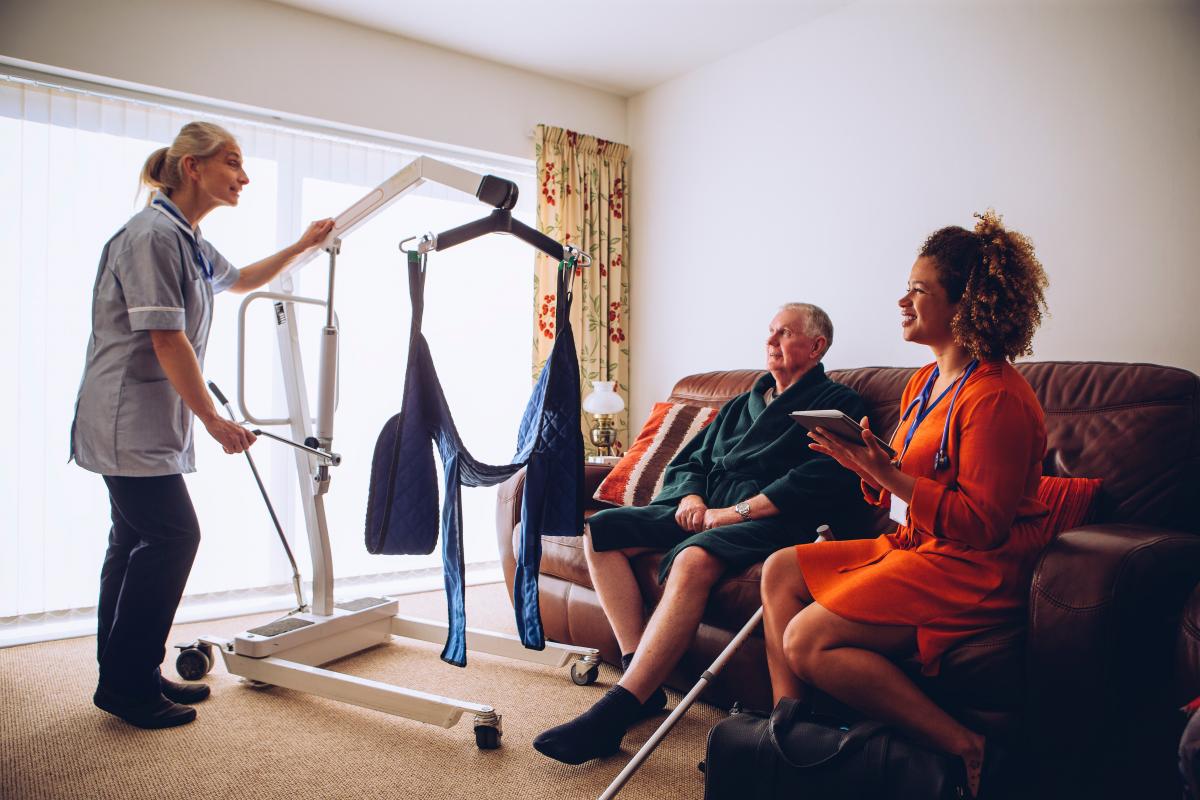
Manual handling is the term used to describe the physical assistance provided for transferring and repositioning. Every participant in SIL who receives manual handling assistance should have a Manual Handling Plan. This is to minimise the risk of injury involved when receiving care.

Safe manual handling may be necessary for someone with cerebral palsy as they are unable to perform movements independently to transfer between surfaces, i.e. bed to chair, or to reposition i.e. when laying in bed.


Cerebral Palsy and Assistive Technology in SIL

High physical support needs typically involve the use of assistive technology (AT). You may be able to operate some assistive technology devices yourself. Alternatively, you may require support from your SIL staff to operate assistive technology and assist with manual handling.


Common assistive equipment used by people with Cerebral Palsy who have high support needs includes:

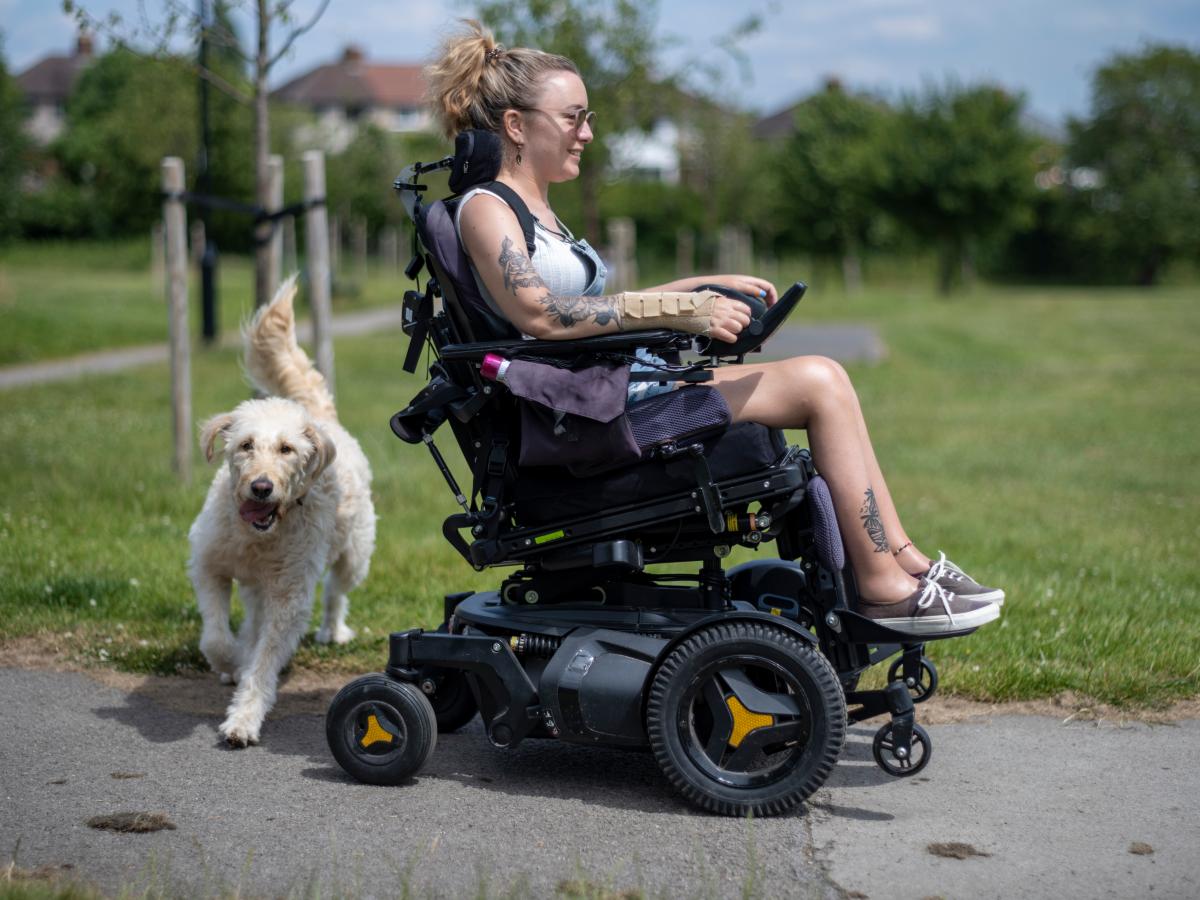
  • Powered Wheelchair
  • Mobile Hoist or ceiling hoist
  • Sling
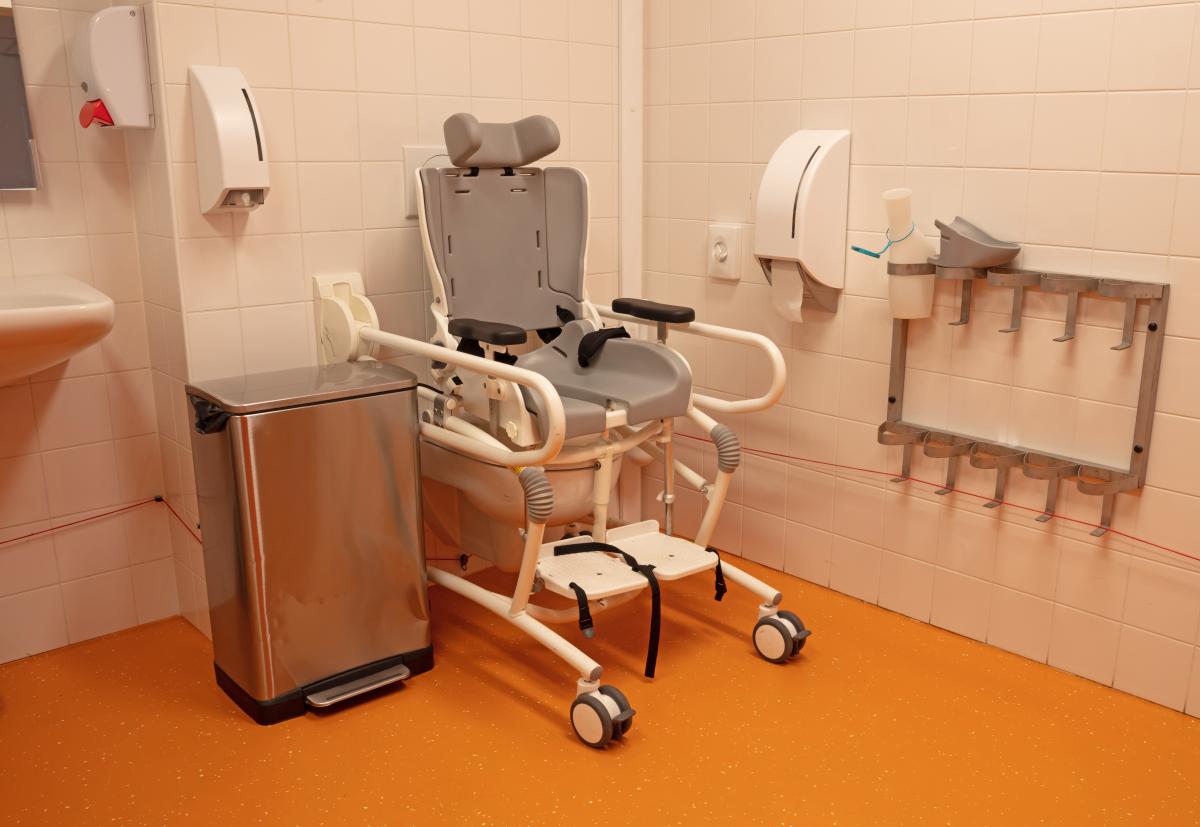
  • Mobile shower commode
  • Hi-lo adjustable bed
  • Alternating air mattress
  • Recliner Chair (with customisable features and high-pressure relief)


How do I find an NDIS SIL Provider?

When SIL is approved in your NDIS Plan, you are not automatically allocated to a provider. You have choice and control over the provider you engage with for SIL.

Need help finding a SIL provider? Get in touch with the MyCareSpace Connections Team for assistance to find a SIL services in your area and navigate the NDIS.

Get Started

MyCareSpace resources may be shared provided they are credited to MyCareSpace with backlinks to the original resource.
Resource Author: Bianca S. | NDIS Expert   Last Updated: 11 March 2026
NDIS

NDIS + Cerebral Palsy

An NDIS plan for an adult or child with cerebral palsy will almost always include funding for physiotherapy under its Capacity Building section.

This part of NDIS funding is used to help a Participant with cerebral palsy reach their goals of improved mobility and independence. It will also help improve communication and social skills needed for social participation and employment.


What does a physiotherapist do for people with cerebral palsy?

Physiotherapists focus on improving the gross motor skills that help a person with cerebral palsy perform daily functions. They will also help prevent movement problems from getting worse over time.

Gross motor skills are those that need full body movement and involve the big muscles of the body.

A physiotherapist will help a person with cerebral palsy with everyday functions including:

  • sitting upright
  • standing
  • walking
  • running 
  • hand-eye coordination
  • ball skills.

Without gross motor skills, people with cerebral palsy will have trouble interacting with friends in the community, playing sports, or just moving around.


Benefits of Physiotherapy for Cerebral Palsy

They will develop a specialised treatment program for a person with cerebral palsy based on the specific needs of a participant.

Their plan is aimed at improving the person's ability to be as mobile and independent as possible in order to reach their NDIS goals.

Physiotherapists are often able to analyse a person with cerebral palsy's impairment from a biomechanical perspective.

They then work to improve the impairment itself by:

  • increasing mobility,
  • aligning bones and joints and/or
  • lessening pain

Benefits by Cerebral Palsy Diagnosis

Some of the benefits of physiotherapy by cerebral palsy type include:

  • Spastic - Physiotherapy can reduce the muscle tension and jerky movements associated with spastic cerebral palsy. Exercises such as stretching can even relieve stiffness over time.
  • Athetoid - People with athetoid cerebral palsy use physical therapy to increase muscle tone and gain more control over their movements.
  • Ataxic - There are exercises that can improve balance problems faced by those with ataxic cerebral palsy.


Does the NDIS fund Physiotherapy for Cerebral Palsy?

Physiotherapy is the most commonly NDIS-funded support for people with cerebral palsy. It is used to help them achieve their goals of increased mobility, access to the community and social participation.

Physiotherapists work with individuals of all ages on the following skills and more: 

  • Gross motor skills
  • Functional mobility  
  • Gait mechanics 
  • Strength 
  • Endurance 
  • Balance & coordination 
  • Equipment and orthotics training
  • Motor control and motor planning  
  • Body awareness
  • Pain relief 
  • Flexibility  


What other therapies will the NDIS fund for a person with Cerebral Palsy?

Occupational Therapy
For children with cerebral palsy, occupational therapy can help with muscle and joint coordination issues — issues that can make everyday tasks difficult.

Some of these tasks include eating, brushing teeth and bathing. 

Occupational therapy can help adults improve physical, cognitive and social abilities, as well as fine motor skills and posture.

This therapy can also help address difficulties with processing sensory information.
 

Speech Pathology
Some children with cerebral palsy have difficulty controlling the muscles in their face, throat, neck, and head. This can lead to trouble with speech, chewing and swallowing.

It can also cause drooling and affect overall ability to interact and learn.

Those who also have difficulty hearing may have a hard time understanding spoken language. Speech and language therapy seek to improve a child’s speech and communication by strengthening the muscles used for speech, increasing oral motor skills and by improving their understanding of speech and language. It also can help with swallowing disorders, like dysphagia.


How do I find an NDIS Cerebral Palsy Physiotherapist?

The MyCareSpace Connections Team can help you find a local physiotherapist who has availability and experience with cerebral palsy.

We can connect you with mobile, online or face-to-face physiotherapy appointments.

Ask our team to find a Physiotherapist


MyCareSpace resources may be shared provided they are credited to MyCareSpace with backlinks to the original resource.

Resource Author: Bianca S. | NDIS Expert   Last Updated: 9 June 2026
NDIS

Occupational Therapy vs. Physiotherapy

An NDIS plan will almost always include funding for therapy under its Capacity Building section. This NDIS funding is used to help a Participant reach their goals. Physiotherapy and Occupational Therapy are 2 of the most common NDIS supports funded.

Here's a quick overview:

  • An Occupational Therapist (OT) focuses on fine motor skills (the movements of the small muscles of the body) and aims to help improve the quality of participation in an individuals’ daily functional tasks.
  • A physiotherapist focuses more on gross motor skills (movements using the large muscles of the body) to help improve the quality of movement of the human body.

In practical terms “A Physiotherapist can help you get to the bathroom, but you better have an Occupational Therapist around to help you accomplish anything once you get there!”

The Physiotherapist helps with the physical movements, whereas the occupational therapist helps with the functional task at hand.

Physiotherapy

Physiotherapists focus on improving gross motor skills, which are those that need full body movement and involve the big muscles of the body to perform daily functions.

These everyday functions include:

  • sitting upright
  • standing
  • walking
  • running 
  • hand-eye coordination
  • ball skills.

Without gross motor skills, children will have trouble playing with friends at the playground, playing sports, or just moving around.

Why Would an NDIS Participant Need Physiotherapy?

Physiotherapists are trained in the treatment of individuals who have difficulty moving as a result of an injury or disability.

They will often develop a specialised treatment program for an NDIS participant based on the specific needs of a participant.

A Physio will develop a plan that is aimed at improving their ability to be as mobile and independent as possible in order to reach their NDIS goals.

A Physiotherapist will analyse their impairment from a biomechanical perspective and will develop a plan that will restore the function of muscles in order to improve the impairment itself by increasing mobility, aligning bones and joints and/or lessening pain. 

What kind of Disabilities would need Physiotherapy

Disabilities that affect movement, like Cerebral Palsy, Spinal Injuries, Brain Injuries, and Neurological injuries would benefit from Physiotherapy funding in their NDIS plan.

What are Gross Motor Skills

When it comes to children, physiotherapists often work more with an individual's physical mobility to move their body in order to do those activities of daily living, navigating safely through their environment, and getting to their destination.

These movements use the large muscles of the body and are often referred to as gross motor skills.

What is the Goal of Physiotherapy?

Physiotherapists are often able to analyse an individual's impairment from a biomechanical perspective and through exercise and play.

They then work to improve the impairment itself by:

  •  increasing mobility,
  • aligning bones and joints and/or
  • lessening pain.  

Physiotherapists work with individuals of all ages on the following skills and more: 

  • Gross motor skills
  • Functional mobility  
  • Gait mechanics 
  • Strength 
  • Endurance 
  • Balance & coordination 
  • Equipment and orthotics training
  • Motor control and motor planning  
  • Body awareness
  • Pain relief 
  • Flexibility  
  • Wound care 

Occupational Therapy

Occupational Therapists (OT)  focus on improving fine motor skills, which involve using the smaller muscles of the hands

Fine motor skills are vital for an individual to perform their daily self-care and employment or academic tasks.

Self-care tasks can include:

  • brushing teeth
  • getting dressed
  • opening a lunchbox
  • eating.

Academic or employment tasks include such things as:

  • using scissors
  • drawing
  • typing
  • writing
  • using a phone

Find an NDIS occupational therapist near you

Why Would an NDIS Participant Need Occupational Therapy?

An Occupational Therapist (OT) treats the whole person - the word 'occupation' refers to 'all meaningful and purposeful activities'.

For children, these 'occupations' include playing, learning, and socialising. Whether a child has developmental or cognitive disabilities 'affecting their motor skills, emotions and/or behaviour, OTs are helping them to fully engage in daily life.

If a Participant's impairment impacts their ability to participate in functional tasks, OTs will often find ways to adapt the task and/or suggest materials to help manage them.

OTs are also trained to help Participants organise and interpret information from the environment (sensory integration).

Occupational Therapists work with NDIS Participants on the following tasks and skills, as well as many others:  

  • Self-care tasks 
  • Gross motor skills 
  • Fine motor skills 
  • Executive functioning  
  • Cognitive skills 
  • Attention 
  • Sensory processing abilities 
  • Body awareness  
  • Motor planning/ praxis  
  • Visual spatial awareness and visual motor integration
  • Hand eye coordination  

Find an Occupational Therapist with availability

The Overlap Between Physiotherapy and Occupational Therapy

Physical and Occupational Therapy are similar in that they are both recommended for an Participant living with a disability. For instance, both Physiotherapy and Occupational Therapy can help a Participant perform the self-care act of getting dressed.

This is because Physiotherapy will improve balance, while occupational therapy will improve their ability to use their hands to put on their clothes.

In addition, gross motor skill development is essential to performing certain tasks requiring fine motor skills, such as writing or using scissors.

For example; a child will need to have the gross motor skill of sitting upright before being able to use a pen and write or cut up shapes with a pair of scissors

Collaboration is key — NDIS Physiotherapists and Occupational Therapists often work together. If there is not an available OT, get started with your Physiotherapist!

As they say, “teamwork makes the dream work”!  


MyCareSpace resources may be shared provided they are credited to MyCareSpace with backlinks to the original resource.

Resource Author: Bianca S. | NDIS Expert   Last Updated: 11 March 2026
NDIS

What am I allowed to buy with my NDIS funds?

It is a well-known fact that the NDIS can be confusing.

NDIS plans can be difficult to read (even if it's not the first NDIS plan you've come across!).

Even when you understand the different sections of your NDIS plan, you still need to know what types of NDIS services and supports you can spend your NDIS funding on

This resource will help guide you when you are asking yourself, "Can I spend my NDIS funds on that?"

If you want more detailed descriptions of what the NDIS will fund you can access their resource "What does NDIS Fund?"

Stated Supports

Let's start with where you don't have any flexibility at all.

A 'stated support' is funding for a specific support. You receive NDIS funding for a specific support and it can only be spent on that expense. 

For example, Support Coordination and Plan Management are stated supports. If you have funding for Plan Management or Support Coordination, you cannot spend that money on anything else.

How do you know if is a stated support?

Because it says so in your plan. See this example below.


Capacity Building

This is the section of your plan that includes funding for Capacity Building supports like therapies E.g. Occupational Therapy, Physiotherapy, Psychology etc.

Funding for these therapies may be stated or general. 

For example, your NDIS Plan may say '...$5,000 of therapy... '

This means you can choose what type of therapy you buy with this funding. You could use $3,000 for occupational therapy, and the remaining $2,000 for physiotherapy.

It may however say:

'... $3,000 for occupational therapy ...

... $2,000 for physiotherapy ...'


Flexible Supports

The NDIS will describe most of your supports generally. This means you have greater flexibility on what supports you buy with your NDIS funding

It means you can use your funding in different ways and choose what services and supports best suit you.

The NDIS will fund a range of supports and services which may include education, employment, social participation, independence, living arrangements and health and wellbeing.

It funds supports that will help you to:

  • pursue their goals, objectives and aspirations
  • increase their independence
  • increase community and workplace participation, and
  • develop their capacity to actively take part in the community.

Ok, so......


How do I know if I can spend my NDIS funds on that?

When trying to decide whether you can spend your NDIS funding on a particular support or service, it must meet these 2 criteria:

  1. it must not be a type of support the law says we can’t fund or provide
  2. it must meet the reasonable and necessary criteria
     

What are the Reasonable and Necessary criteria?

All NDIS supports need to meet all the reasonable and necessary criteria before they can be b.

If you can answer YES to these questions, the support is reasonable and necessary and likely to be funded if it helps meet your goals.

1. Will the support help you to reach the goals in your NDIS plan?
The support you buy must be linked to the support budgets and goals in your current NDIS plan and related to your disability. 

2. Is the support reasonably priced and good value?
The support should represent good value-for-money compared to other options. This means we need to consider the costs and benefits of the support, as well as the costs and benefits of alternative supports. Remember you can choose to pay less and get more support, or pay more for a higher quality support that meets your needs. 

3. Can you afford the support within your support budget?
Your NDIS funding needs to last for the length of your plan. Work out your budget early so you know what you can afford. This will help you to track your funding and make decisions about any changes to your supports during your plan. 

4. Will the support help you to connect with your community and improve the relationships you have with family and friends?
The support you buy should help you to participate in community activities with friends and other members of your community, by reducing the disability-related barriers that prevent you from participating in things such as social outings, recreation, work, and study.

5. Is the support something that should be funded by the NDIS and not other government services?
In your NDIS plan, the funded supports will not include support that is provided by other government services. For example, dental, health or hospital services, education, housing and public transport are all provided by other government services. 

6. Is the support safe? Is it likely to be beneficial?
The support you buy must be legal. It should not cause harm or put yourself or other people at risk.
 

What can I not spend my NDIS funding on?

The NDIS Act and the rules made under the NDIS Act also tell us which supports will not be funded by the NDIS. A support will not be funded if it:

  • is not related to the participant's disability
  • duplicates other supports already funded by a different mechanism through the NDIS
  • relates to day-to-day living costs that are not related to a participant's support needs, or
  • is likely to cause harm to the participant or pose a risk to others.


Sources:

MyCareSpace resources may be shared provided they are credited to MyCareSpace with backlinks to the original resource.

Resource Author: Bianca S. | NDIS Expert   Last Updated: 11 March 2026
NDIS

Will the NDIS pay for private swimming lessons for children?

A private swimming lesson is one where a child receives one-on-one swimming lessons. It is more expensive than a group lesson. A mother may ask for this funding if they feel their child is unable to fully take part in group swimming lessons without support. 

The NDIS would not usually fund private swimming lessons because: 

  • Although funded supports must help a child access social and economic activities, private lessons are unlikely to be value for money
  • All parents and carers are responsible for ensuring their child is safe around water, thus swimming lessons are an everyday expense faced by all households
  • It is not a disability-related expense that arises solely and directly because of a disability

For school-aged children, the NDIS will consider the state-government funded swimming program run through the child’s school.

This, or other mainstream services, might be a more appropriate way to fund or provide swimming lessons for your child. 

What about if my child has a goal to learn to swim?

If you have a goal for your child to learn to swim, the NDIS may fund any disability-related supports or assistive technology needed to help your child have the same opportunity to take part in swimming lessons as their peers.

This means they may cover supports your child needs to take part in swimming lessons (e.g a custom made floatie), but will not fund the cost of the lessons themselves.

Is there any NDIS funding I can use for swimming lessons?

The NDIS suggest that you can use your child’s existing capacity-building budget (usually spent on therapy) to work with their early intervention team to develop and share strategies with a qualified swim instructor. This can help your child be included in swimming lessons. 

Can I get funding for a Support Worker to help with Swimming Lessons?

  • For children 3 years and younger:
    Typically parents take part in swimming lessons with their child. This gives the child physical help and emotional support while in the water.
    For this reason, the NDIS won't generally include funding for this support in their plan because parents are expected to take part due to the age of their child.
     
  • For children older than 3 years:
    If a child still needs physical help and emotional support, the NDIS would still expect the family or carer to provide this if it is reasonable for them to do so. If the child does not have the informal supports to do this, the NDIS may consider providing funding for it.

Will the NDIS pay for group swimming lessons as a social activity?

The NDIS recognises the importance for all children to have the chance to take part in group activities. Group swimming lessons are a social activity and promote vital learning and development of skills in children, but will not fund group swimming lessons because these are day-to-day living costs. Everyone has to pay for them whether or not they have a developmental delay or disability. 

See the NDIS website for case examples

MyCareSpace resources may be shared provided they are credited to MyCareSpace with backlinks to the original resource.

Resource Author: Bianca S. | NDIS Expert   Last Updated: 11 March 2026
NDIS

The NDIS will not fund a gym membership because it is a day-to-day living cost, not solely and directly related to a disability.

Why won't the NDIS fund a gym membershp?

The NDIS don’t fund supports that are 'day-to-day' living costs for people (whether or not they have a disability).

What about if I have a goal to get fit or play a sport?

If one of your goals is to:

  1. get fit by going to a gym
  2. or playing sport

the NDIS may fund:

  • the support you need to perform these activities
  • the assistive technology you need to perform these activities

BUT the NDIS will not fund the gym membership itself.

What will the NDIS consider when deciding on whether to fund an activity?

  • Will it help you take part in activities that will help you with your social and economic life (Side note: social and economic participantion is v.important and measured closely by the NDIS)
  • Will the support show value for money when comparing the benefit vs the cost of other support options (i.e. is it cheaper to go to the gym vs pay for a personal trainer?)
  • What support would families and other informal supports usually provide (i.e. could a family member take you jogging instead) 

Important: You would need to give the NDIS evidence, such as assessments from a registered therapist, to show you need the support for your disability needs.

If the NDIS won't fund the Gym Membership, what related supports will they fund? 

The NDIS may fund things such as:

  • transport to and from the gym, if your family or the community can’t provide it and you aren’t able to use public transport independently
  • funding for a support worker to help you to use the gym equipment

You will still need to fund:

  • registration fees
  • uniforms
  • any other costs that everyone pays when playing sport, whether or not they have a disability.

NDIS Case example

Sue’s genetic condition causes intellectual disability, behavioural and learning issues. She wants to improve her personal fitness. She has been unable to join a gym as most gyms can’t accept a member who needs someone supporting her at all times while she exercises. 

Sue applies for funding for gym membership and for a support worker to help her at the gym.

To work out whether the funding for gym membership and for a support worker is reasonable and necessary for Sue, the planner looks at the information provided against the NDIS Funding Criteria. When deciding if the supports are reasonable and necessary, the planner thinks about such things as whether:

  • the supports are needed solely and directly because of Sue’s disability needs 
  • funding for Sue’s gym membership and support worker is value for money in relation to both benefits of the support and the cost of similar supports
  • an exercise program is likely to help Sue improve her fitness and become more independent in physical activity. 
  • Sue is able to take part in other exercise programs, for example walking groups
  • the gym membership is a day-to-day living costs not directly related to Sue’s disability support needs

In Sue’s case the planner decides:

  • there is enough evidence from an exercise physiologist that taking part in her gym program is likely to have long term benefits for Sue, which may include reducing her need for support in future
  • the need for a support worker to help Sue to improve her personal fitness at the gym is needed solely and directly because of Sue’s disability needs
  • using a support worker to help Sue access and use the gym represents value for money in relation to both the benefits of the support and the cost of alternate available supports
  • the cost of the gym membership is a day-to-day living costs not solely and directly needed due to Sue’s disability support needs. It is a cost that anyone would have to pay for regardless of their disability needs.

It Sue’s case the planner decides:

  • funding for gym membership is not reasonable and necessary, and funding was not approved
  • if Sue chooses to self-fund her gym membership, we will fund a support worker to help her pursue her personal fitness goal and use the gym equipment.

MyCareSpace resources may be shared provided they are credited to MyCareSpace with backlinks to the original resource.

Resource Author: Bianca S. | NDIS Expert   Last Updated: 11 March 2026
NDIS

iPads and computers are generally (not always - see below) not funded by the NDIS.

This is because they are considered a general household appliance - not a disability-related product - since most Australian homes have them, and they are used by most of the community.

This means that a laptop/iPad would not be considered a disability-related expense by the NDIS and so would not be funded.

Even if you may benefit from the help of an iPad or laptop, it would be unlikely you can prove that the cost of it is directly and solely related to your disability needs.

When determining whether they will fund a support, the NDIS will work out whether a support is 'reasonable and necessary' and whether its need is directly and solely related to your disability,

When would the NDIS fund a smart device (iPads)?

In some situations, the NDIS may fund smart devices such as iPads if you can provide written evidence that shows:

  1. You need the device because of your disability and
  2. The cost of the device is an extra cost that is solely and directly because of your disability needs.

In this situation, you need written evidence from a professional (usually a therapist) that this is the most effective solution for your disability-related needs.

For example:

  1. You need to magnify or read out print or other images because you have a significant vision impairment.
    Your orthoptist or occupational therapist will need to give evidence that this is the best solution.
     
  2. The NDIS may fund a tablet if it is used as an alternative communication device and is your only way to communicate.
    Again, a speech pathologist will need to give you written evidence that shows it’s the most appropriate solution for your communication needs

Is the NDIS still funding iPads like it did during COVID?

Yes. At the time of writing this resource, the NDIS will still fund an iPad (using your Low Cost AT funding) if it is needed for 'support continuity' I.e. So that you can continue to receive supports online.

It provides you a budget of $750 (for a basic model + protective cover) In particular, you need to demonstrate the iPad is:

  • needed to maintain or improve the delivery of funded NDIS supports like a program, therapy, or requirement (for example physiotherapy or Auslan interpreting provided via video conferencing)
  • an item that is confirmed by your support provider (in writing) as needed to continue receiving supports and services while maintaining physical distancing/other health requirements;
  • the simplest solution/device required to maintain funded supports
  • not the same or similar to a device you already have, or could easily get access to;
  • not something another organisation could and would provide you; and
  • not specifically excluded by NDIS Rules (such as being illegal to supply or use).

Participants are advised that if a standard tablet, computer or iPad is required to participate in online video classes, these should generally cost no more than $600. A suitable protective case or bag (usually costing less than $100) should also be purchased to protect your investment from accidental damage.

Source:


MyCareSpace resources may be shared provided they are credited to MyCareSpace with backlinks to the original resource.

Subscribe to Using your NDIS Funds

Our Preferred NDIS Plan Manager

Plan Hero Plan Management is our preferred NDIS Plan Manager because they are independent and specialist Plan Managers who have both lived experience and expert NDIS knowledge. Plan Management is all they do!

Plan Hero helps you keep your funding organised and on track within each funding period, so you don’t overspend or leave funds unused. They make sure providers are paid on time and help you stay on top of your budget. Their team is easy to reach, with clear, direct communication and no waiting on hold (ever).

Plan Hero gives you the support you need to use your NDIS funding with confidence.